Learn Cuban Spanish Online
Learn Cuban slang. Master the Cuban accent. Explore Cuban culture.
 Created and taught by Jean Pablo Sciacca
Camagüey, Cuba

Cuban slang
Learn the greetings, sayings and everyday words Cubans actually use.
The Cuban accent
Practise the rhythm, pronunciation and connected speech of Cuban Spanish.

Online Cuban Spanish classes
Build your listening and conversation skills in classes with a professional Cuban tutor.

Cuban Spanish courses
Study Cuban Spanish, culture and conversation at your own pace.
Cuban culture
Get to know Cuba through its history, music, literature and everyday life.

Interactive practice
Try a Cuban Spanish course sample and put new expressions into practice.
From Cuba to you
Meet your teacher
After teaching Cuban Spanish online to hundreds of students, I created this academy to share our language, history, music and literature.
My story
Cuban Spanish
Accent, culture & conversation
Recorded courses. Live classes. Culture and community. A little Cuba in your everyday life.
Cuban Spanish
Accent, pronunciation and the expressions we use every day.

Culture & politics
Cuban history, ideas and the stories behind the words.

Humor & conversation
Get the joke, understand the reference and join the conversation.

Audiobooks & cinema
Listen to Cuban voices through literature, films and recordings.

Flashcards & games
Practise words, sayings and Cuban slang with interactive activities.

Live & private classes
Join live classes or book a private Cuban Spanish lesson.
A little Cuban,
right now
Explore all flashcards & games
The Cuban Spanish blog

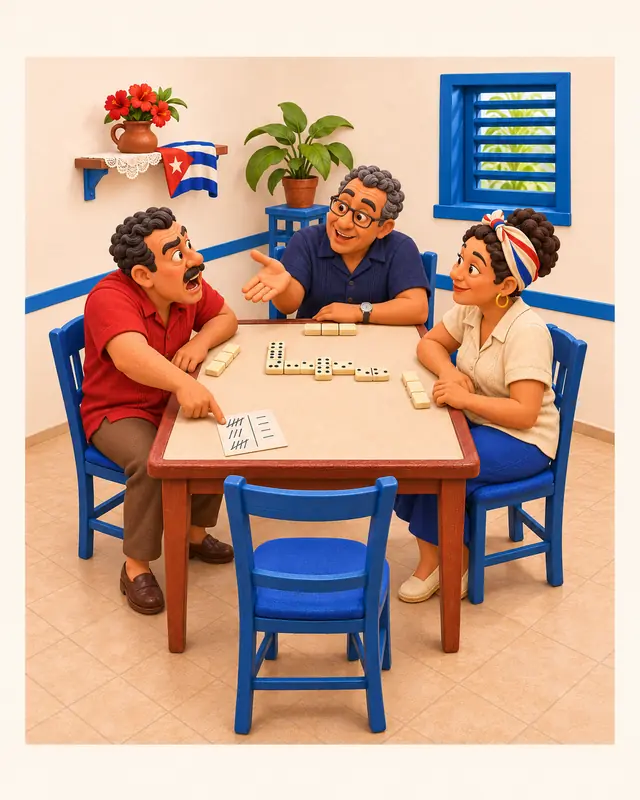
What happened when the domino player “se chivateó”?
The dominoes are still on the table when somebody announces a new scoring rule.
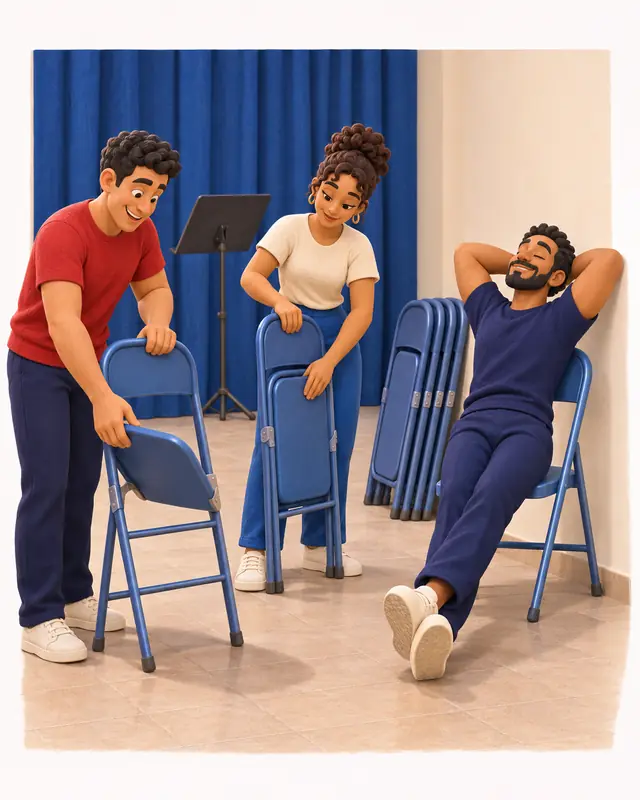
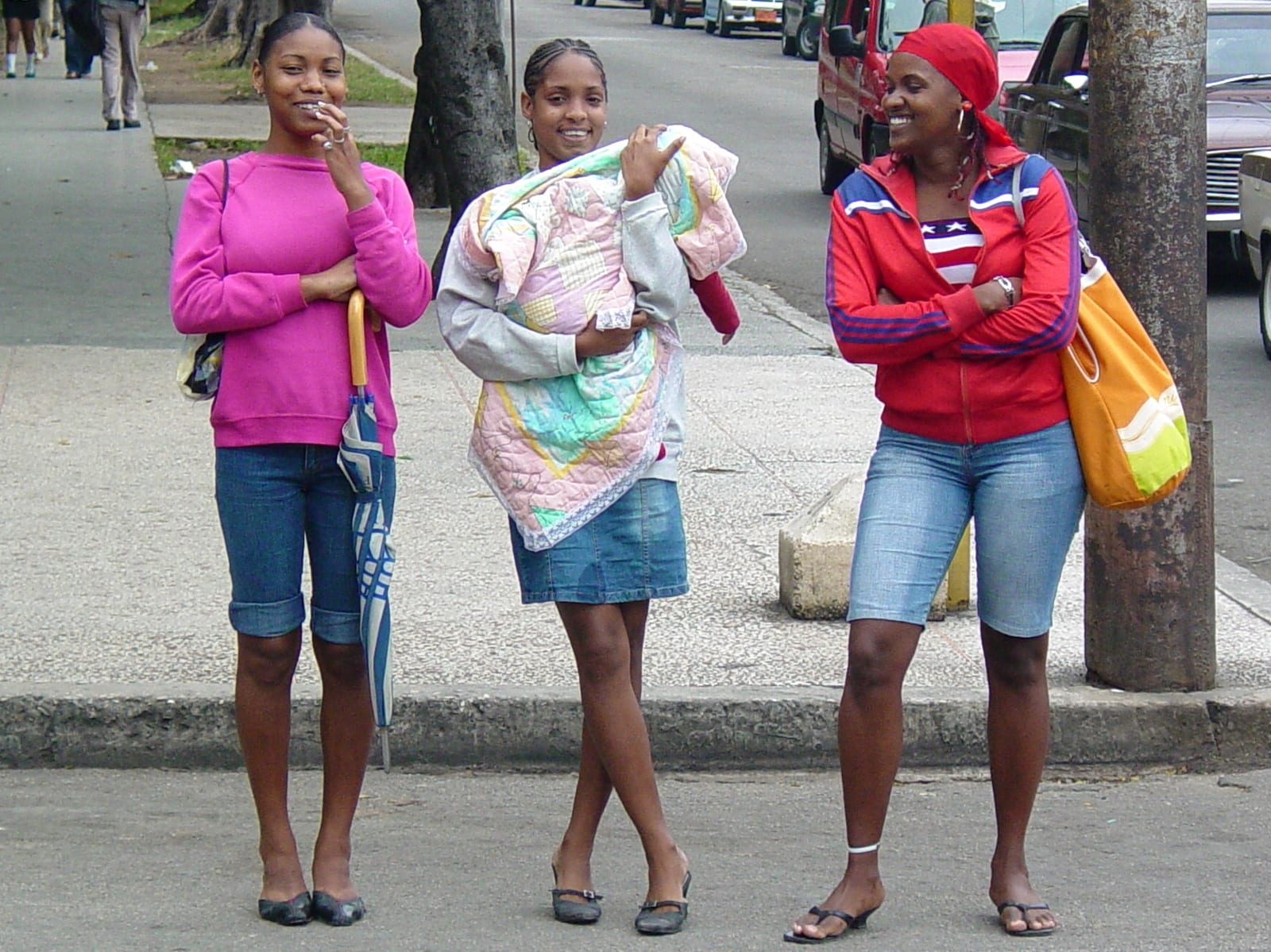
Dejar de or dejar que? Two things that can happen at a Cuban rehearsal
Learn to tell stopping from giving permission. Use three changes of musician at a rehearsal to choose the right Spanish verb form.
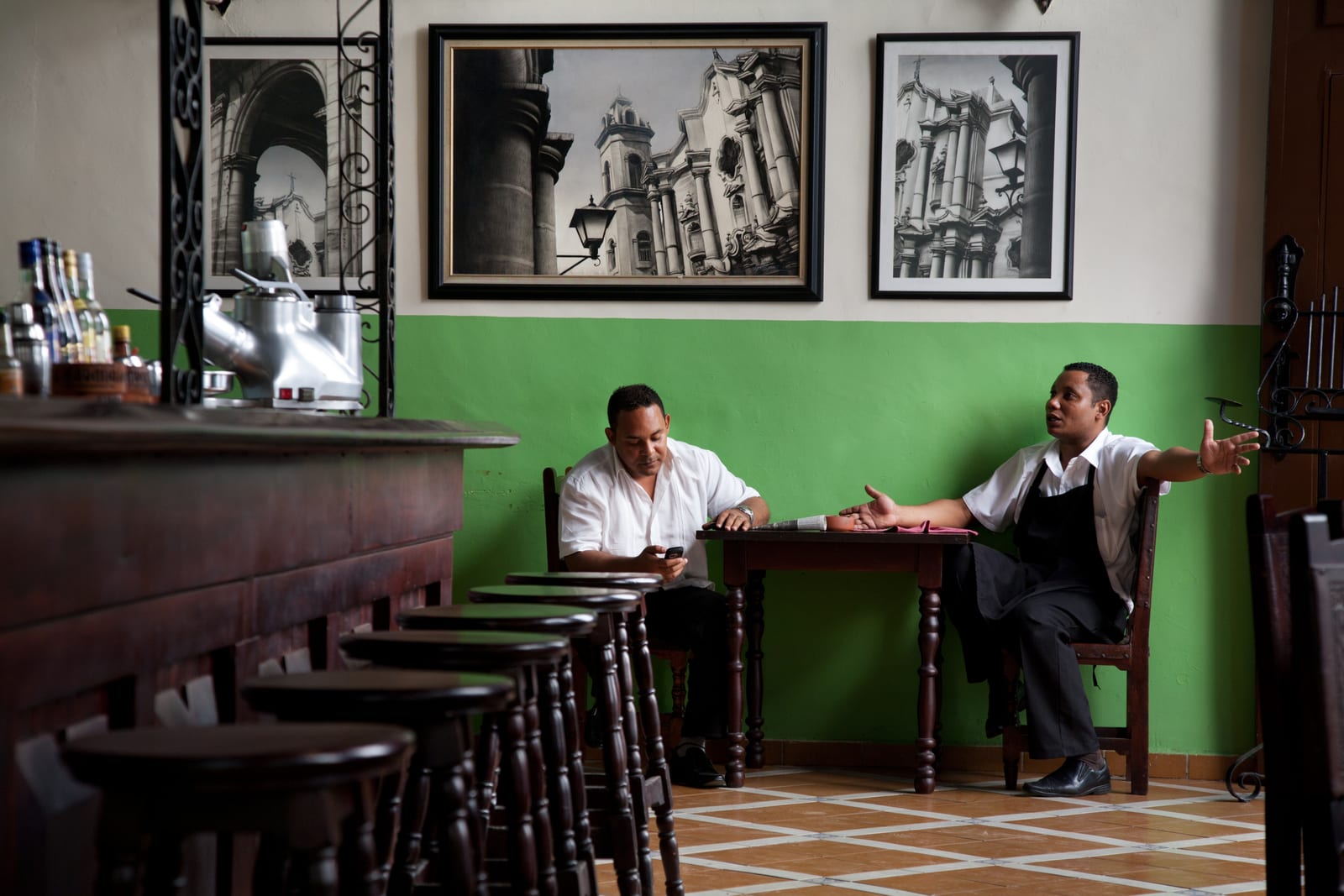
Se vende or se venden? Read the signs outside a music room
Change one guitar into two, then look for a particular singer. Find out why the number sometimes changes the Spanish verb and sometimes leaves it alone.
How do you split the bill in Spanish when you ordered different things?
One café bill can produce two different totals per person. Practise asking for separate payments, dividing a bill equally and offering to treat a friend.
How do you ask for two seats together at a concert in Spanish?
Read row letters and seat numbers in a Spanish ticket dialogue. Learn how to get two seats side by side or ask about the aisle before accepting.
How do you repeat back a phone number in Spanish without losing a zero?
Use the final four digits of an invented number to practise grouping, asking for one digit at a time and correcting two transposed figures.
Grabo or grabó? Hear who recorded the chorus in Spanish
Practise moving the stress in grabo and grabó. Compare present and past forms when a singer describes who recorded a Cuban rehearsal.
Se me cayó or se me cayeron? Explain what you dropped in Spanish
At a rehearsal, a clip falls, then two sheets of music. Find the verb that changes and explain the mishap in your own words.
¿Cuántas quedan? How to say what is left in Spanish
Count the seats still free, check the water and work out how much time remains before a class begins.
How do you spell your surname in Spanish? Correct one letter at a time
Practise a registration-desk exchange with Vera, Peña and Pérez. Clarify b and v, ñ and a written accent without spelling the whole form again.
What’s the score in Spanish? A tie, a lead and a final result
Follow an imaginary ballgame from a 2–2 tie to a 4–3 finish. Ask for a score before and after the game and name the team in front.
Subraya, tacha, rodea: how to follow a worksheet in Spanish
Take a pencil and act on three Spanish classroom instructions. Check your marks, catch a negative instruction and ask what to circle.
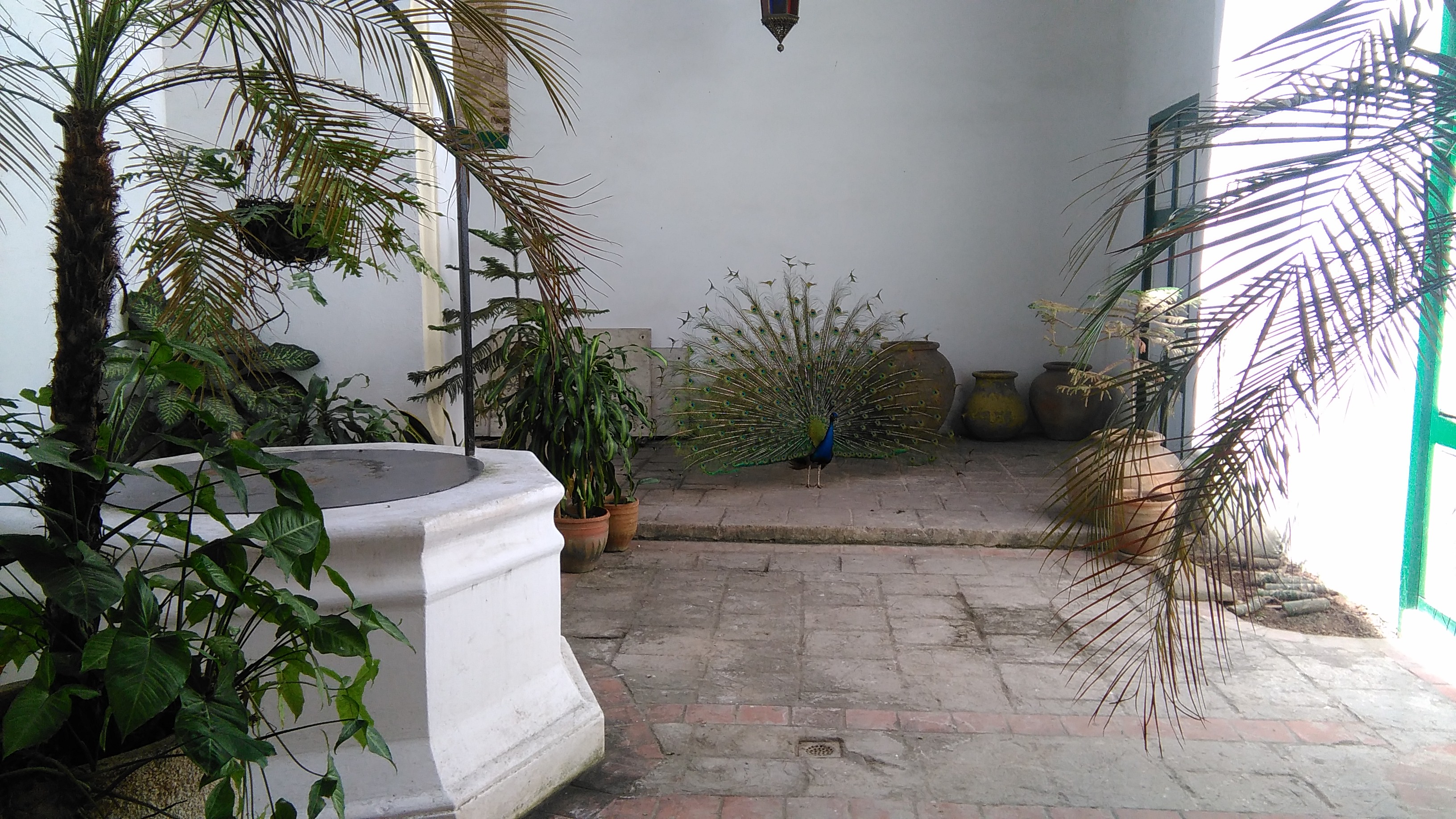
How to describe a photo in Spanish when someone cannot see it
Use a real Havana courtyard photo to practise foreground, background and a three-sentence description someone else can picture.

What does bateo mean in Cuban Spanish?
The rehearsal gets moved.

What does majomía mean in Cuban Spanish?
Picture someone straightening a row of glasses every time they pass the table.

What is a rumbantela in Cuban Spanish?
A few people are having a snack in the courtyard.
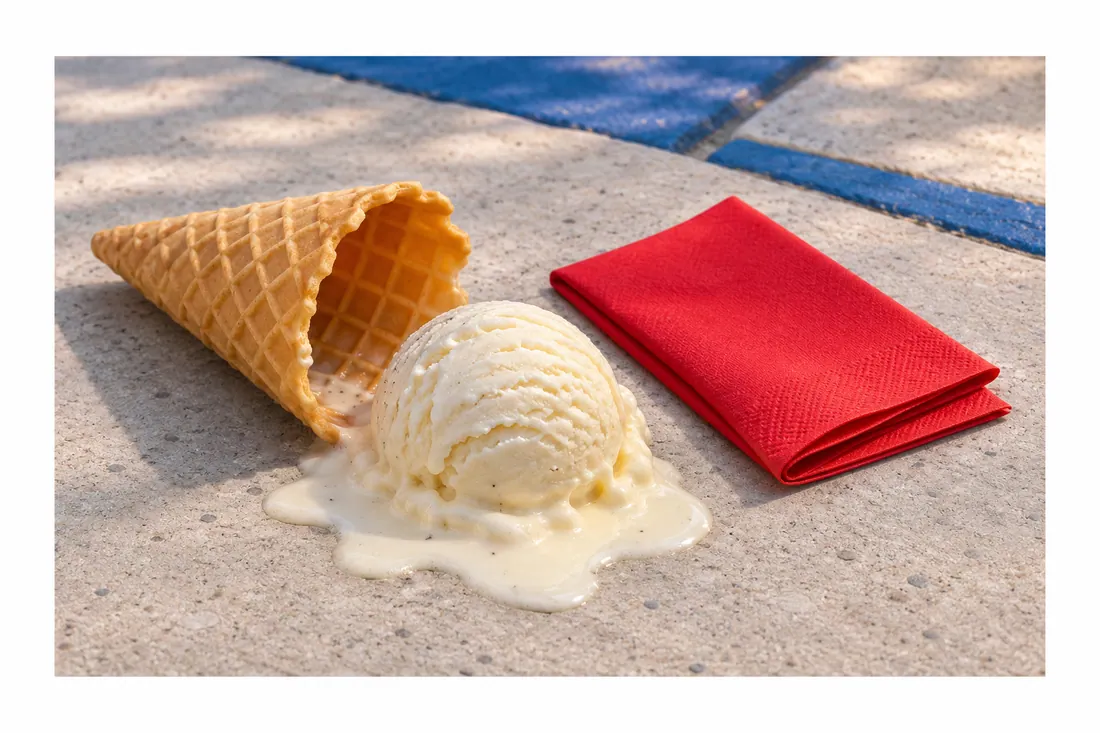
What does jirimiquear mean in Cuban Spanish?
The ice cream hits the pavement.
How to say you like someone or get along in Spanish
Use me cae bien for the impression someone makes and me llevo bien con for how you get along. Compare both in original Cuban practice dialogues.
Whose turn is it? How to use me toca and te toca in Spanish
Ask who goes next, claim your turn and hand it over. Practise a short group dialogue with me toca, te toca, le toca and nos toca.
Reply to a Cuban Spanish voice note: record, check and try again
Practise replying to a voice note in Cuban Spanish with original prompts, a recording checklist and a second attempt that changes the message.
One fifteen or quarter to two? Confirm an appointment time in Spanish
Distinguish la una y cuarto from las dos menos cuarto. Practise exact appointment times, day parts and clear confirmations in Spanish.
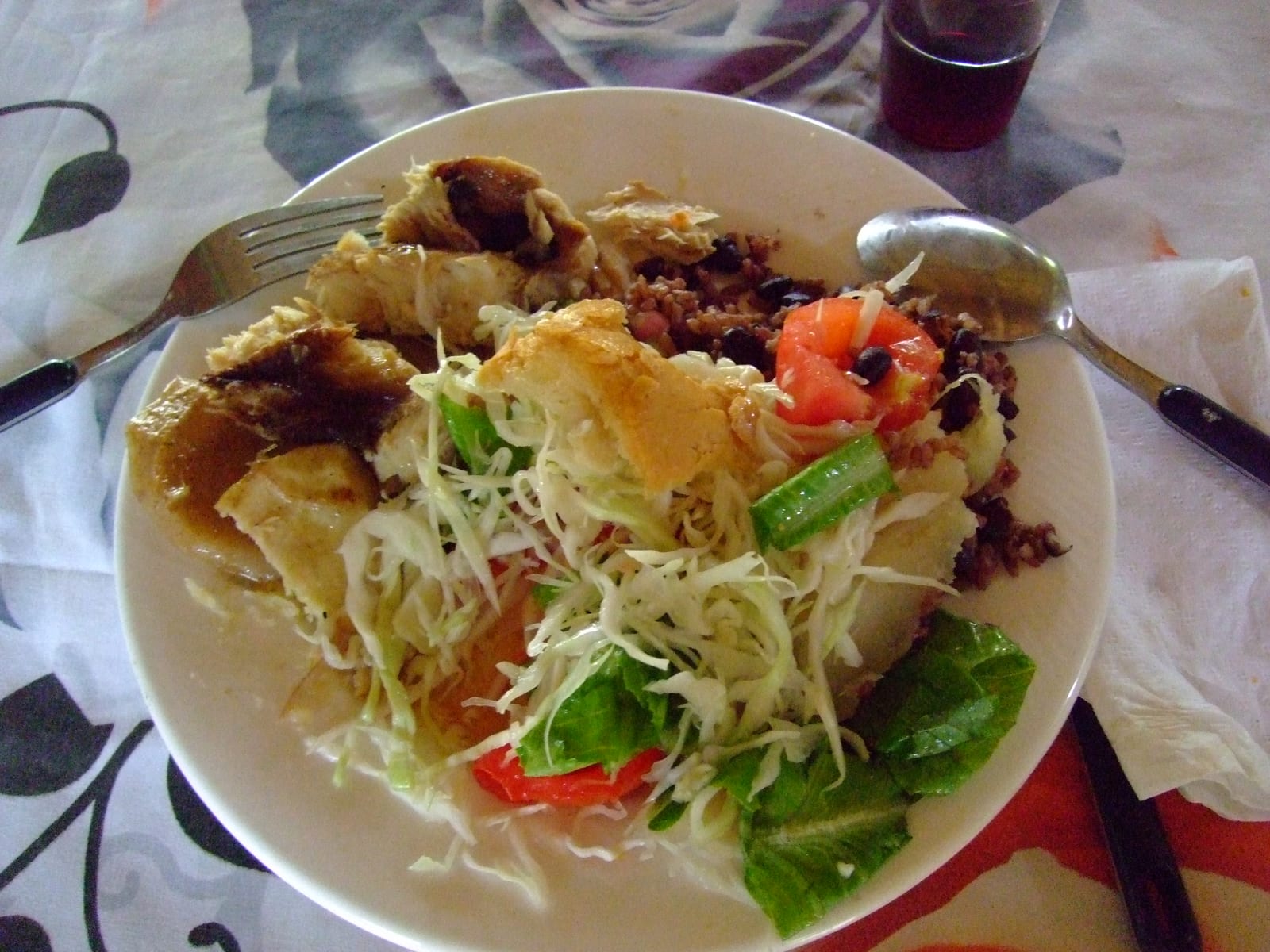
How do you say half a cup in Spanish? Reading a Cuban kitchen note
Read a handwritten ingredient list, distinguish media taza from la mitad and halve a practice batch without losing the unit.
Me dijo que: how to pass on a Spanish message after the day has changed
Retell a Cuban rehearsal message on Monday, Tuesday and Wednesday, keeping the speaker, the notebook and the intended day straight.
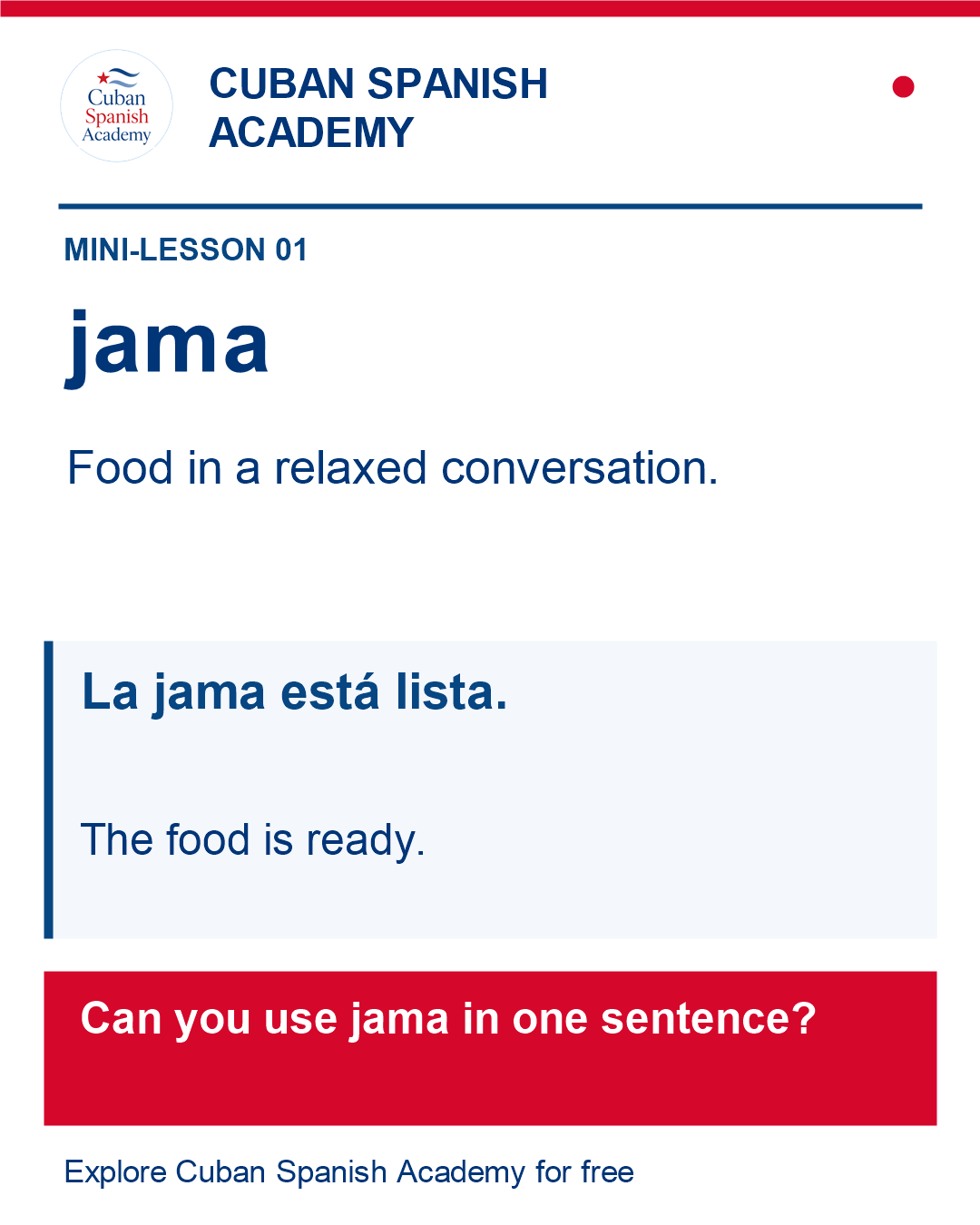
What does jama mean in Cuban Spanish?
If you hear «¿Ya está la jama?», someone is asking whether the food is ready. Jama is a familiar word for food in Cuban Spanish. The word is also used in several other countries, so hearing it does not establish where a speaker comes from. Use it in a relaxed conversation; comida remains the neutral choice when you are unsure of the setting.
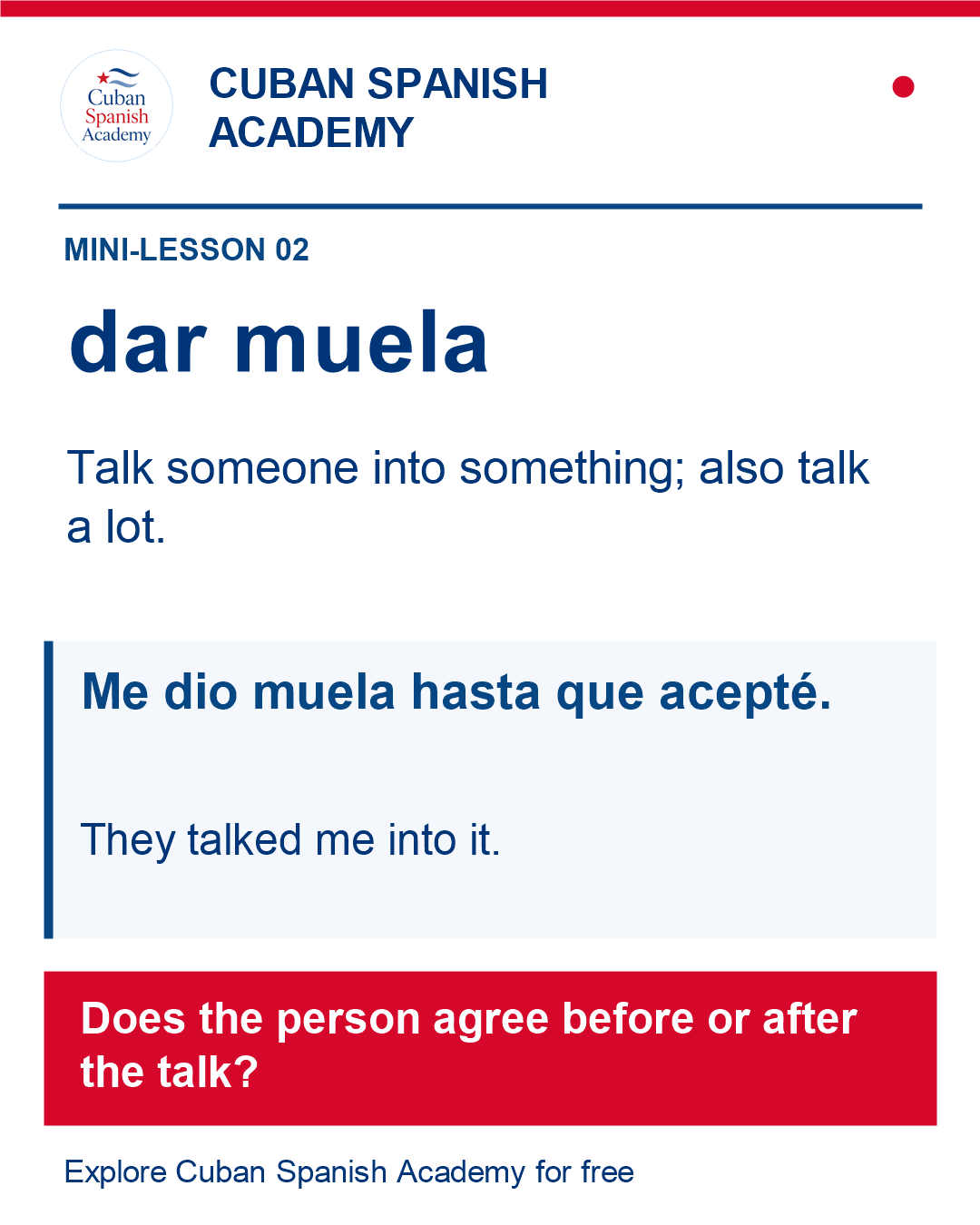
What does dar muela mean in Cuban Spanish?
Someone wants you to join a plan and keeps talking until you agree. In Cuban Spanish, that can be dar muela: trying to persuade someone. The expression also describes talking a lot. Context tells you whether the speaker means friendly persuasion, a long conversation or talk they have had enough of.
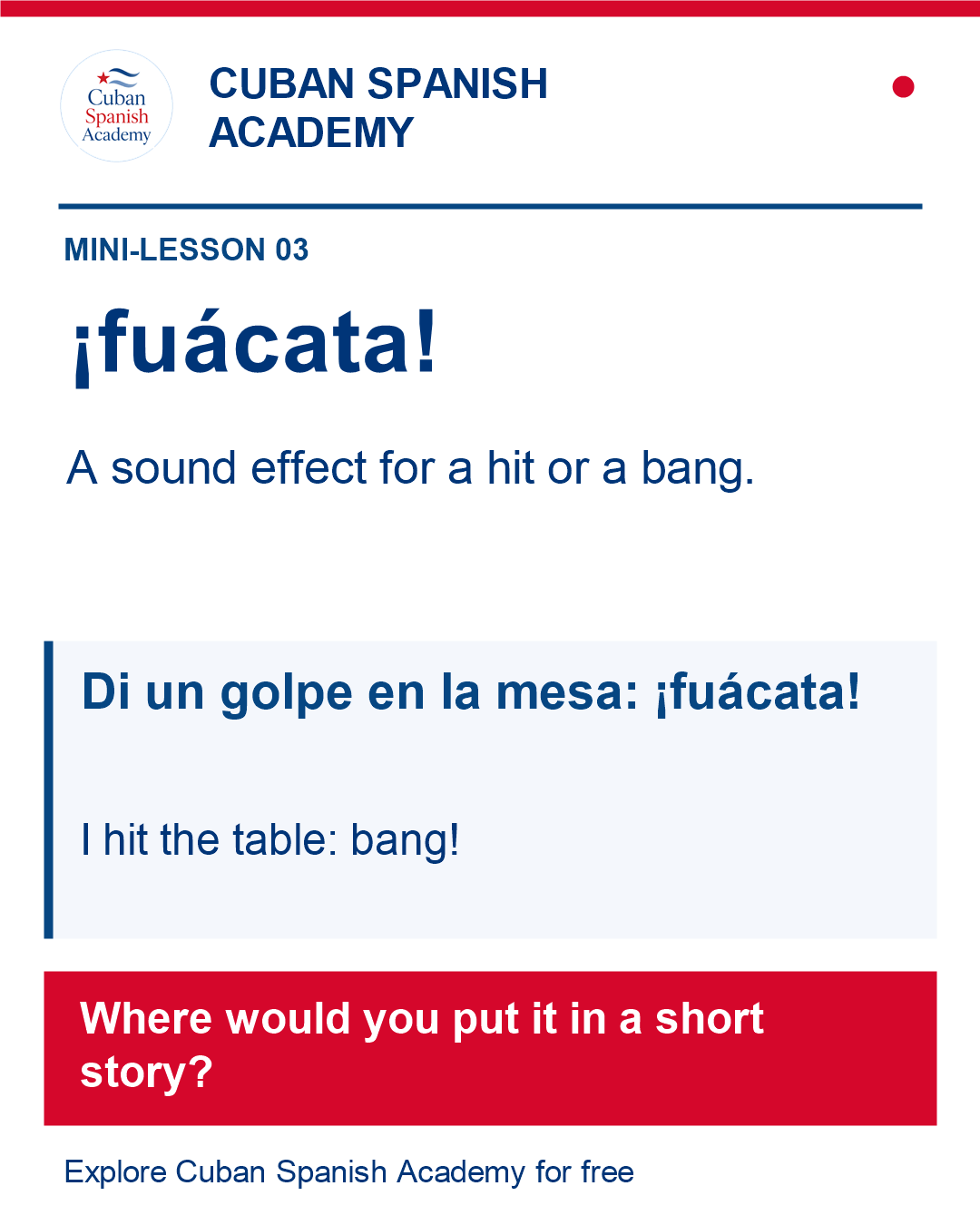
How does ¡fuácata! bring a story to life?
A spoken story can include its own sound effects. In Cuban Spanish, ¡fuácata! can imitate the sound of a hit or a bang. That use is also found in Puerto Rico. It is a colloquial interjection: a small burst of sound that a speaker can place at the moment something happens.
What does dar botella mean in Cuba?
A driver who gives someone a free lift can dar botella. In Cuba, the expression describes a driver letting someone travelling in the same direction ride in the vehicle without paying. The useful unit to remember is dar botella, with the verb and noun together.
Hace, desde and desde hace: say how long in Spanish
Choose hace, desde or desde hace for an ongoing activity, a starting point or something that happened ago, with Cuban conversation examples and practice.
Mi, mío, tuyo and suyo: make Spanish possessives clear
Learn Spanish possessives before and after nouns, agreement with the thing owned, and how to clarify suyo, with a created dialogue and answer explanations.
How to say dates and years when telling a story in Spanish
Build clear Spanish dates, say years naturally and avoid ambiguous numbers when telling a story or confirming when something happened.
Pedir prestado, prestar and devolver: who has the thing, and who owns it?
Learn the difference between borrowing, lending and returning in Spanish, with clear object roles, everyday requests and practical return arrangements.
Acabar de and volver a: say you just did something or did it again
Use acabar de for a recent action and volver a for repetition in Spanish. Choose a clear time frame and practise both meanings with explained answers.
No sé por qué: indirect questions and porque in Spanish messages
Edit indirect questions with por qué, distinguish them from causal porque, and practise clear Spanish messages with an explained answer key.
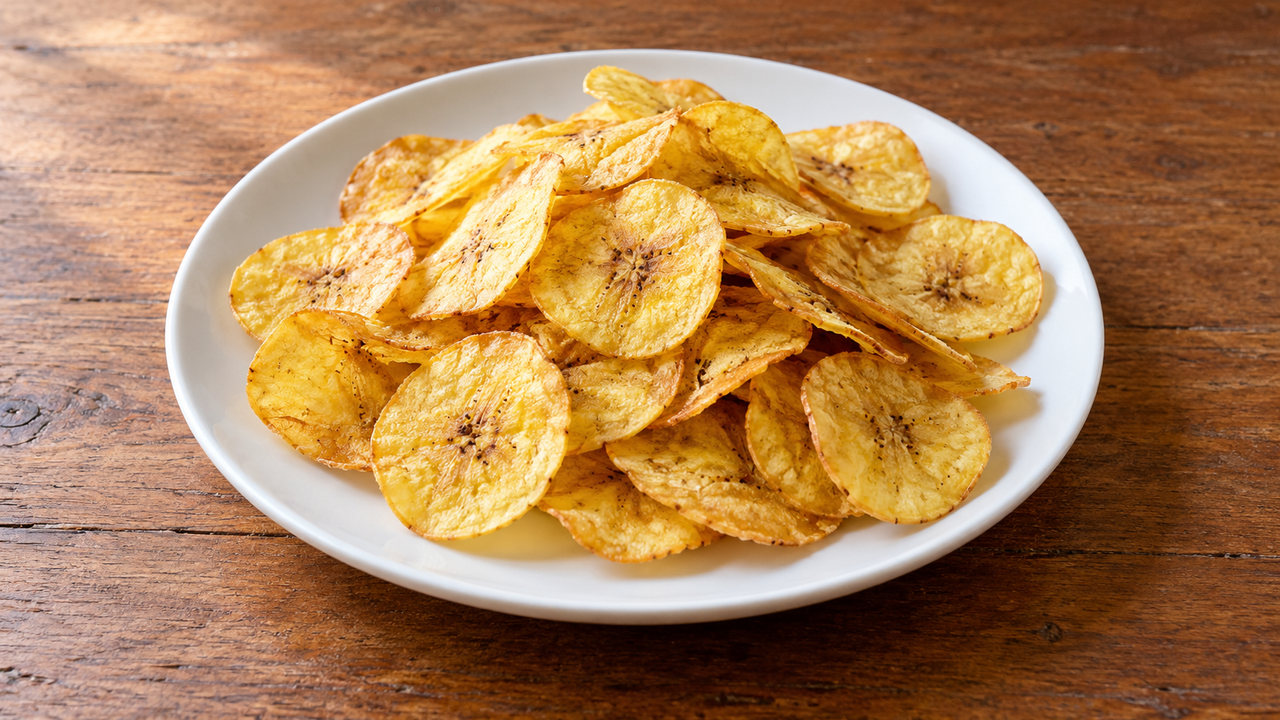
Cuban mariquitas: thin fried plantain slices
Mariquitas start with thin rounds of green plantain. The cut gives this Cuban preparation its shape.
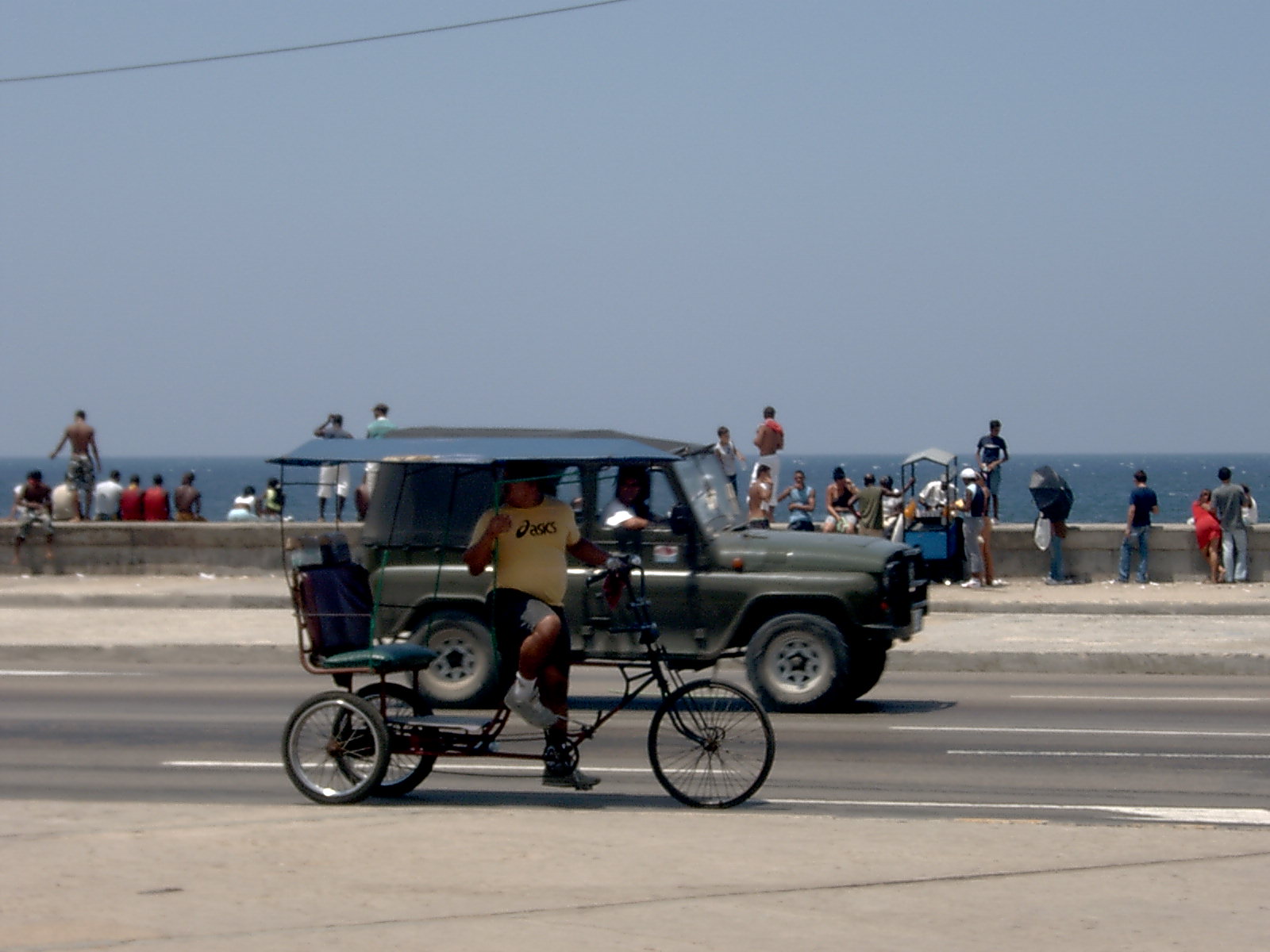
Cuba’s bicitaxi: the passenger seat behind the pedals
A Cuban bicitaxi carries passengers in a double seat behind the driver. Its three wheels move under pedal power.
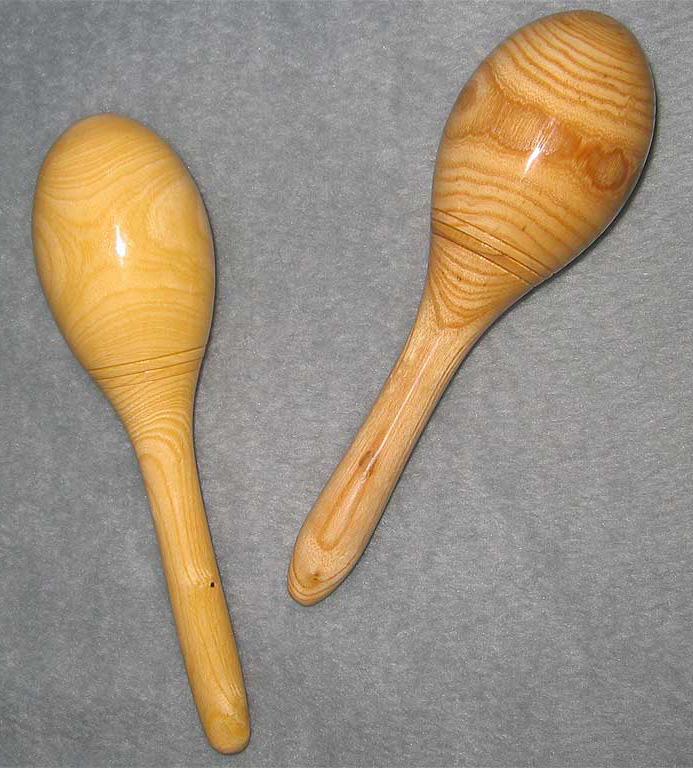
Maracas in Cuba: the sound comes from inside
A maraca sounds when its filling strikes the hollow body. Its construction and historically recorded Cuban names tell a small musical story.
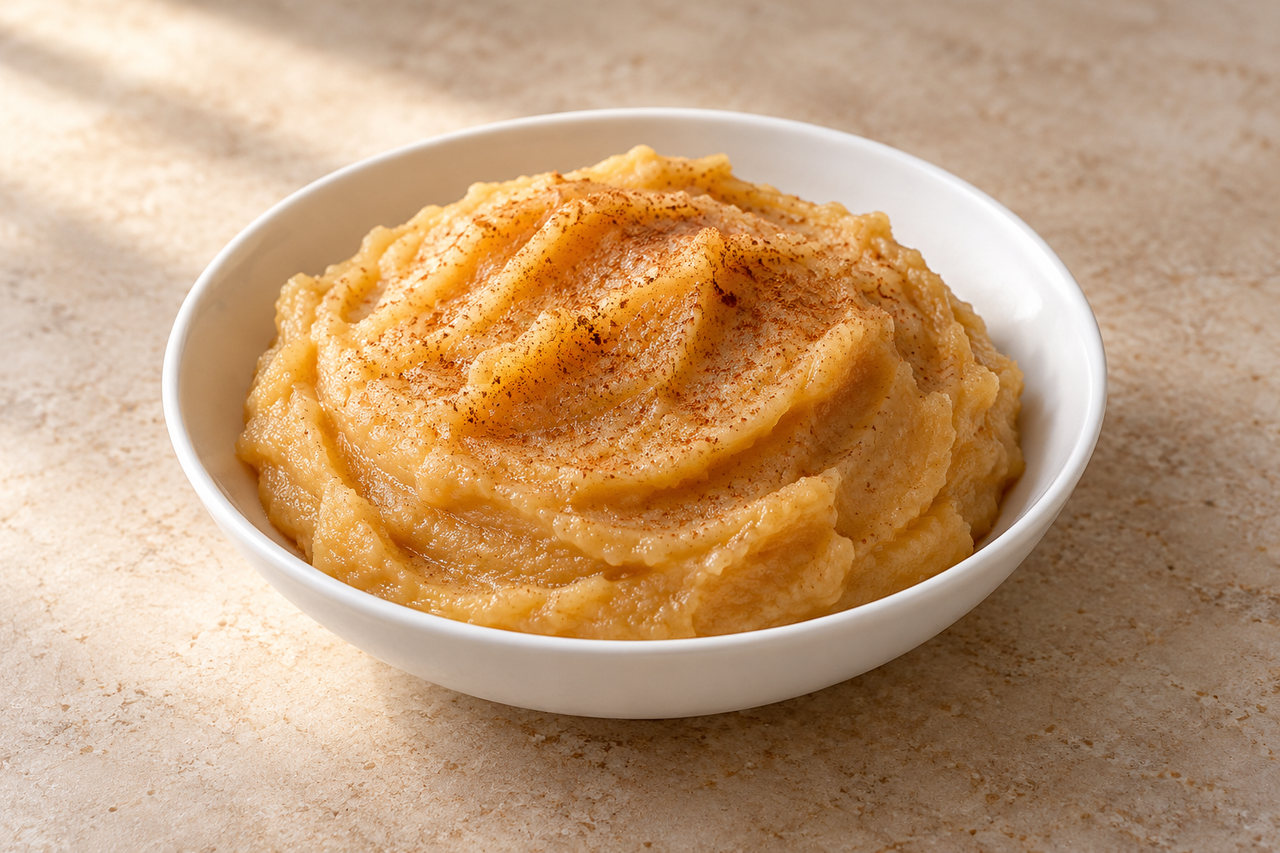
Cuban boniatillo: sweet potato, sugar and cinnamon
Boniatillo turns boiled, sieved sweet potato into a Cuban sweet with sugar and ground cinnamon.
Saber or conocer in Cuban Spanish: information, skills and familiarity
Choose saber or conocer through original Cuban Spanish conversations: facts, skills, people and places, with practice questions and explained answers.
Este, ese and aquel in Cuban Spanish: make the reference clear
Practise este, ese and aquel in original Cuban scenes. Match gender and number, understand esto and eso, and clarify which item or idea somebody means.
Give an opinion in Cuban Spanish: explain your reason and answer disagreement
Build a reasoned opinion in Cuban Spanish with me parece, creo que and porque. Practise original everyday exchanges and respond when someone disagrees.
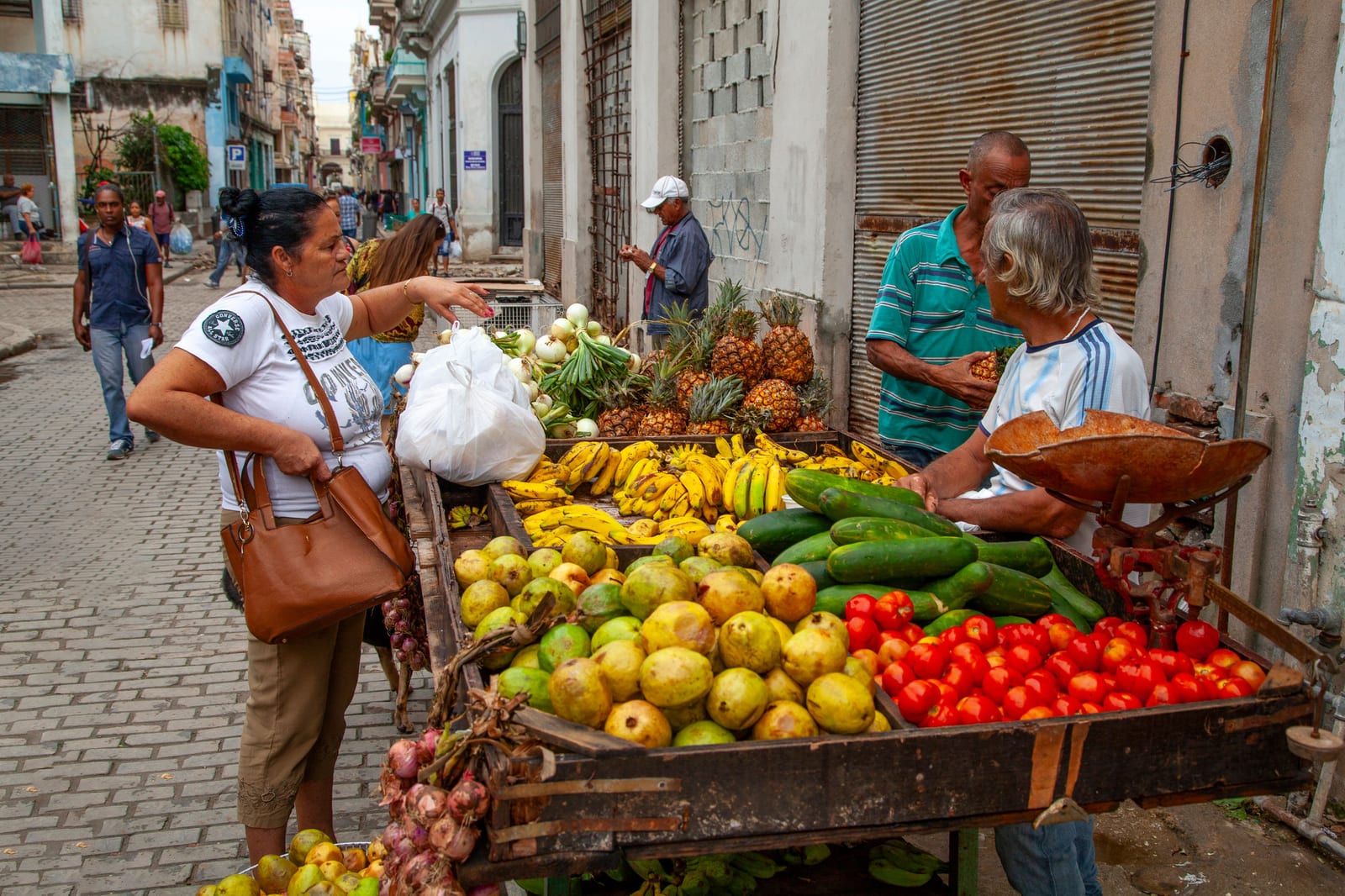
Four English–Spanish false friends in Cuban conversations: meaning before spelling
Distinguish actualmente/actually, carpeta/carpet, largo/large and éxito/exit through original Cuban examples, including carpeta for a hotel's reception office.
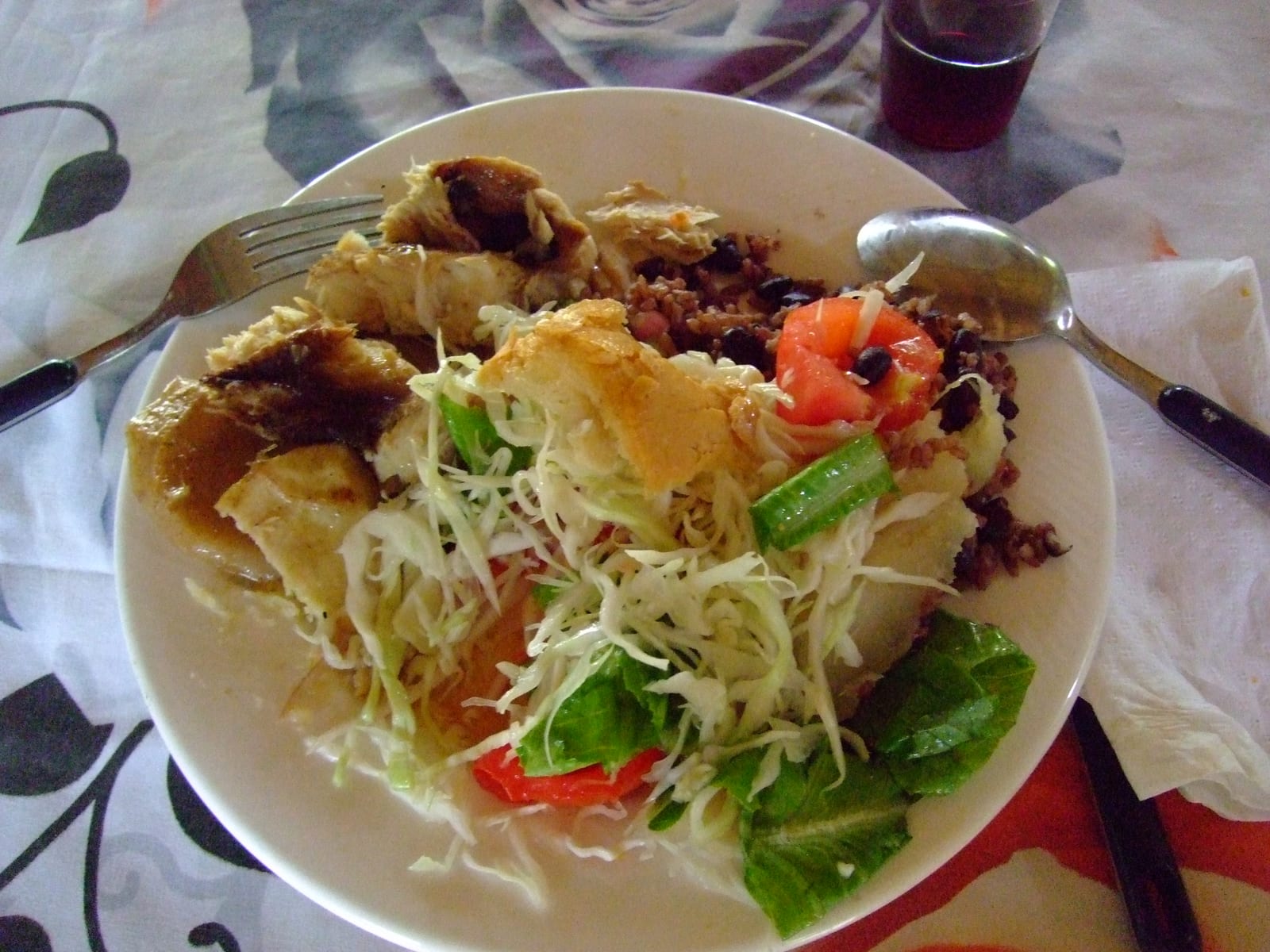
Tener que and hay que in Cuban Spanish: who needs to act?
Practise tener que and impersonal hay que through original Cuban meal-preparation conversations. Identify the person, the task and what remains to be agreed.
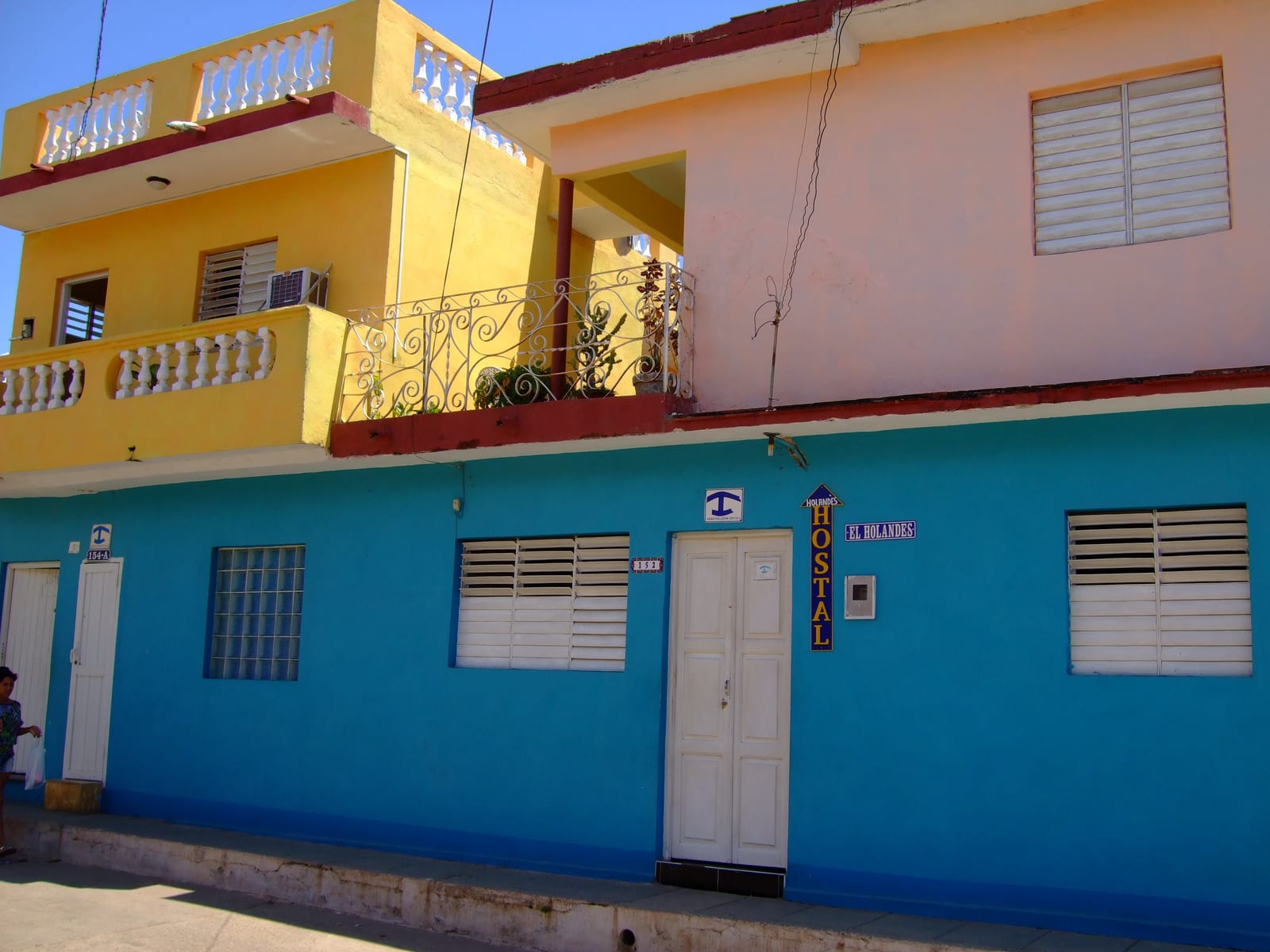
Something is not working: explain the problem in Cuban Spanish
Describe a household problem in Cuban Spanish, explain when you noticed it and ask who can help. Original dialogues and practice answers.
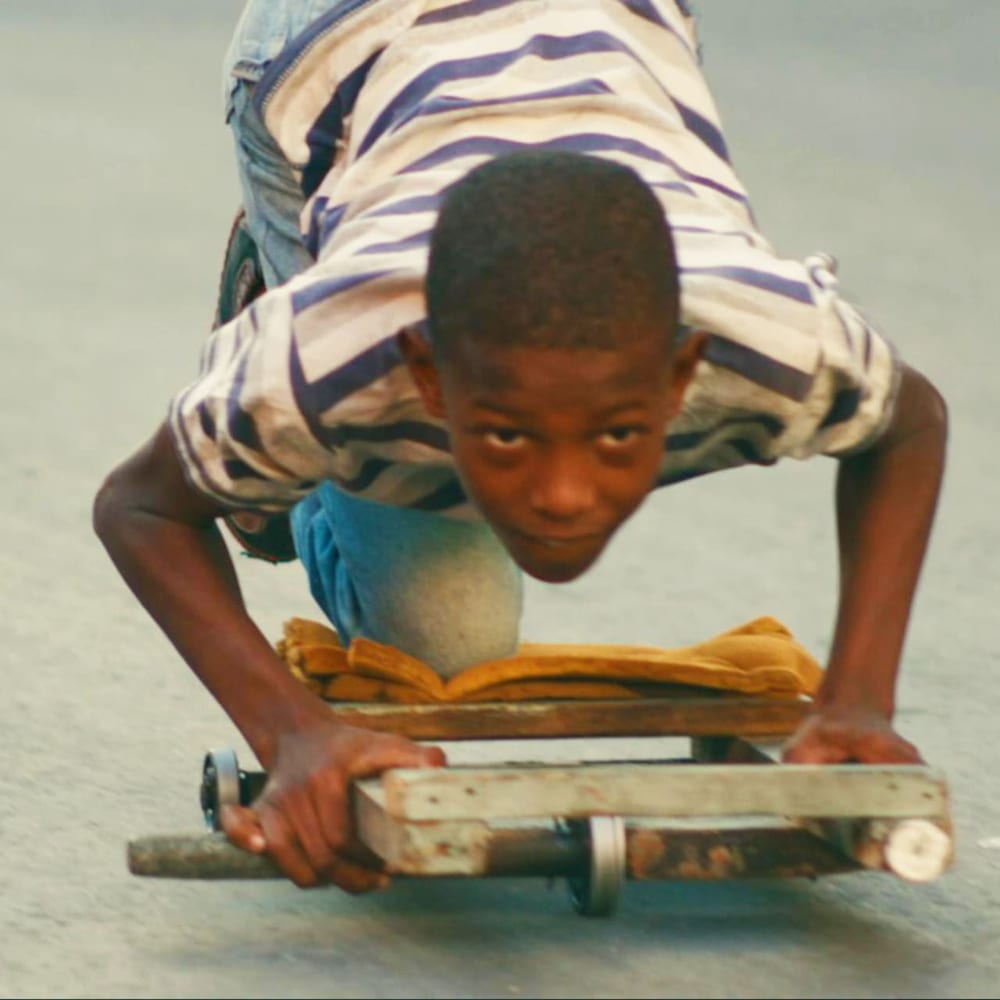
The chivichana: a Cuban cart with a moving front axle
A low wooden platform, metal bearings for wheels and a front crosspiece that turns: a closer look at the Cuban chivichana.
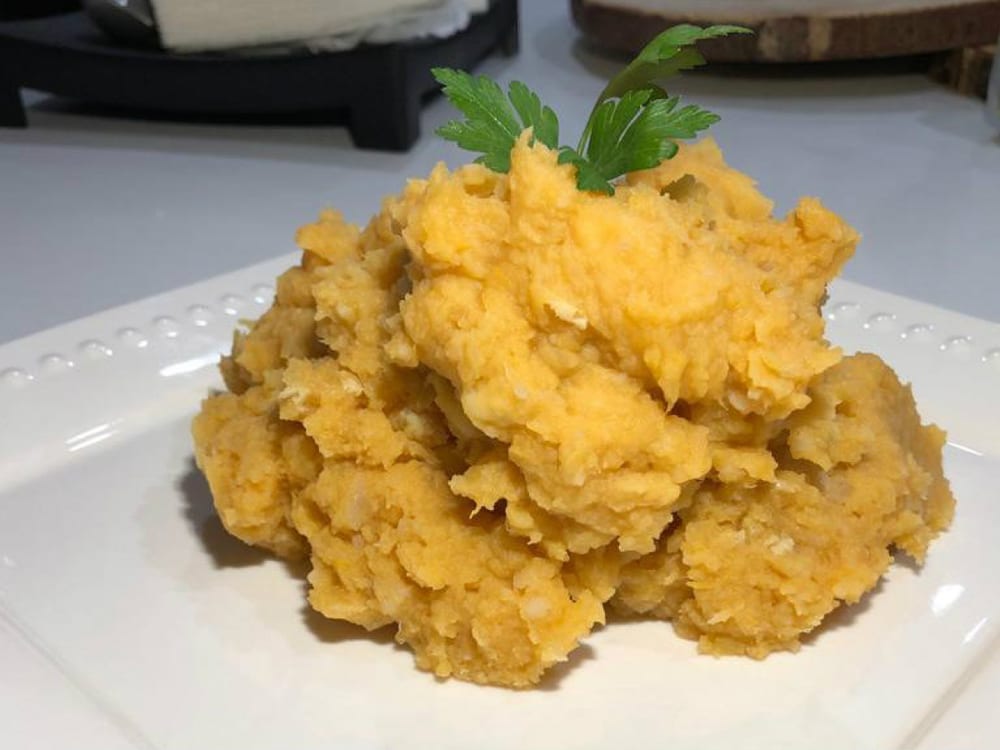
Cuban fufú: plantain, garlic and chicharrones
For Cuban fufú, boiled plantain is mashed with garlic and chicharrones. A little cooking water helps bring the mixture together.
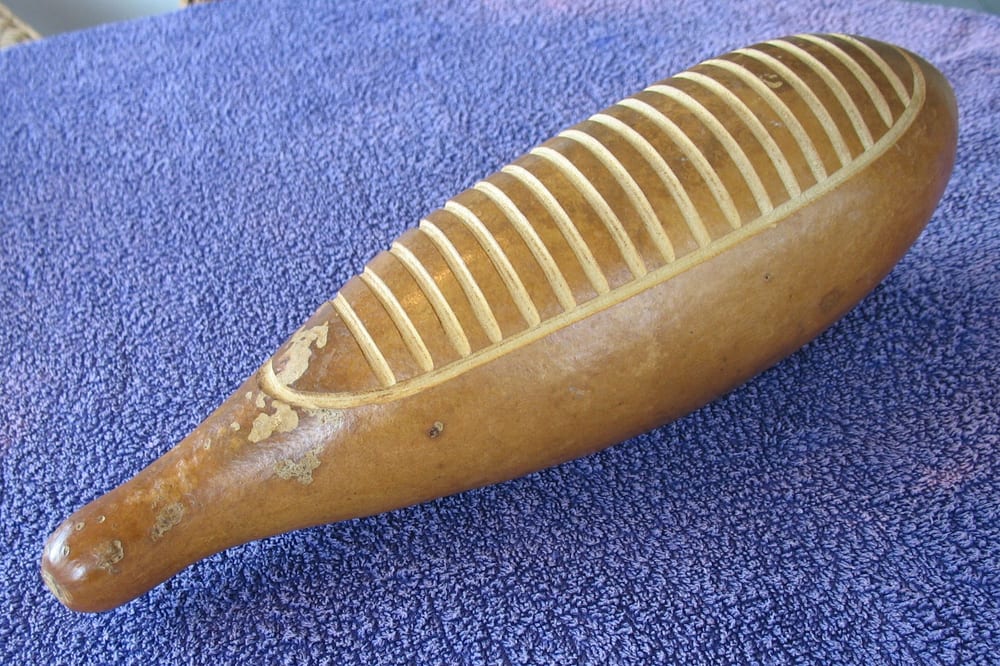
The güiro: rhythm from a row of grooves
A dried gourd, a carved surface and a stick: how a gourd güiro makes its sound, with a closer look at one Cuban design.
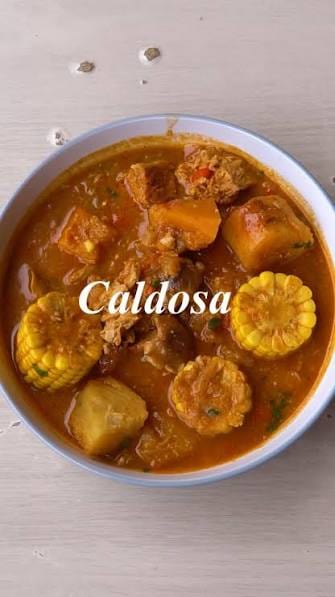
Cuban caldosa: the soup that thickens in the pot
Yuca, sweet potato, malanga and meat can share a pot of Cuban caldosa. The vegetables soften as the broth grows thick.
Llevar or traer in Cuban Spanish: taking something there, bringing it here
Choose llevar or traer by following the speaker’s viewpoint. Practise visits, coffee, umbrellas and journeys with original Cuban Spanish examples.
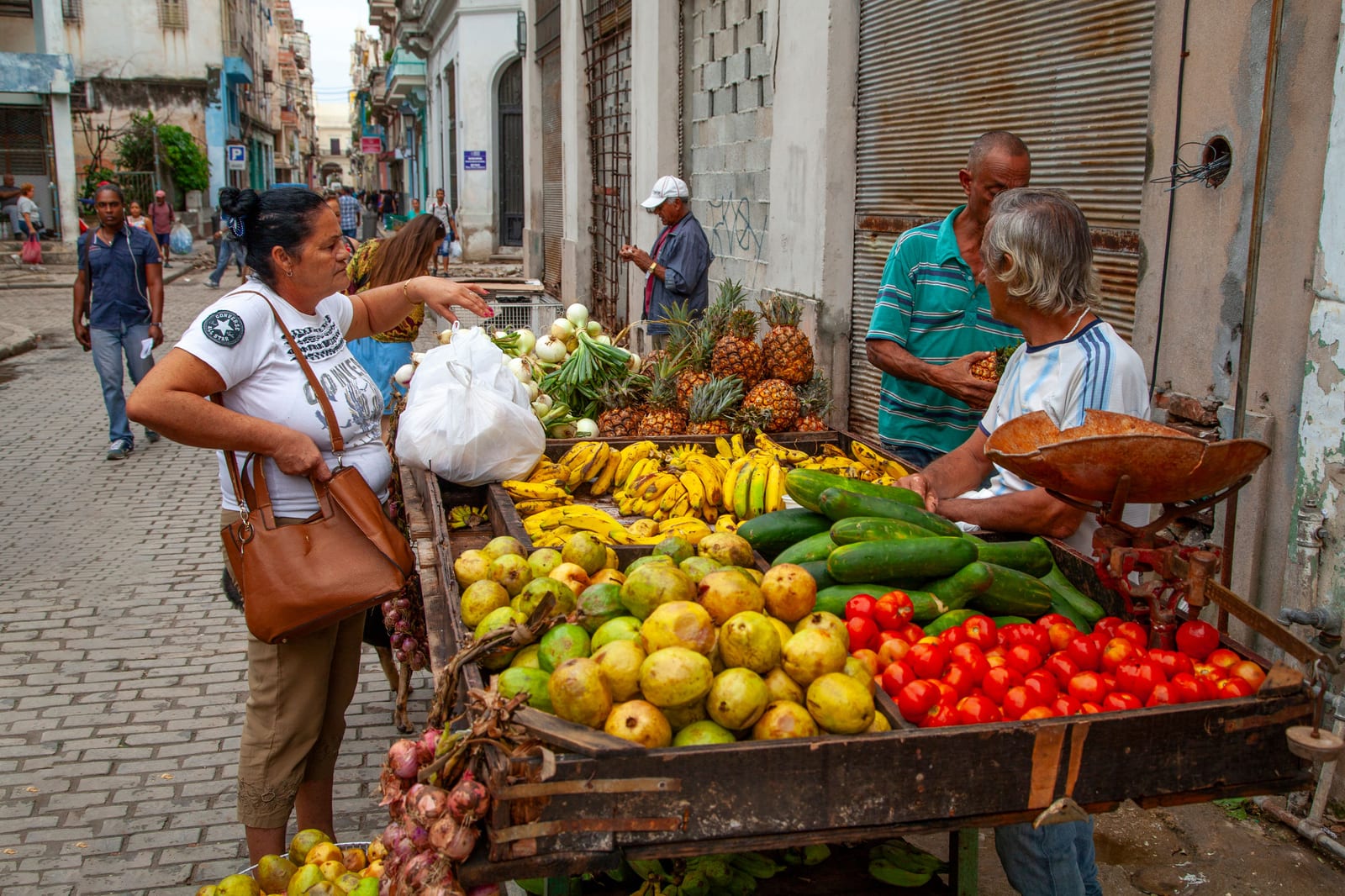
Por and para in Cuban Spanish: reasons, destinations and everyday plans
Use por and para to explain why, where and for whom. Original Cuba-based examples cover visits, routes, gifts, messages and deadlines.
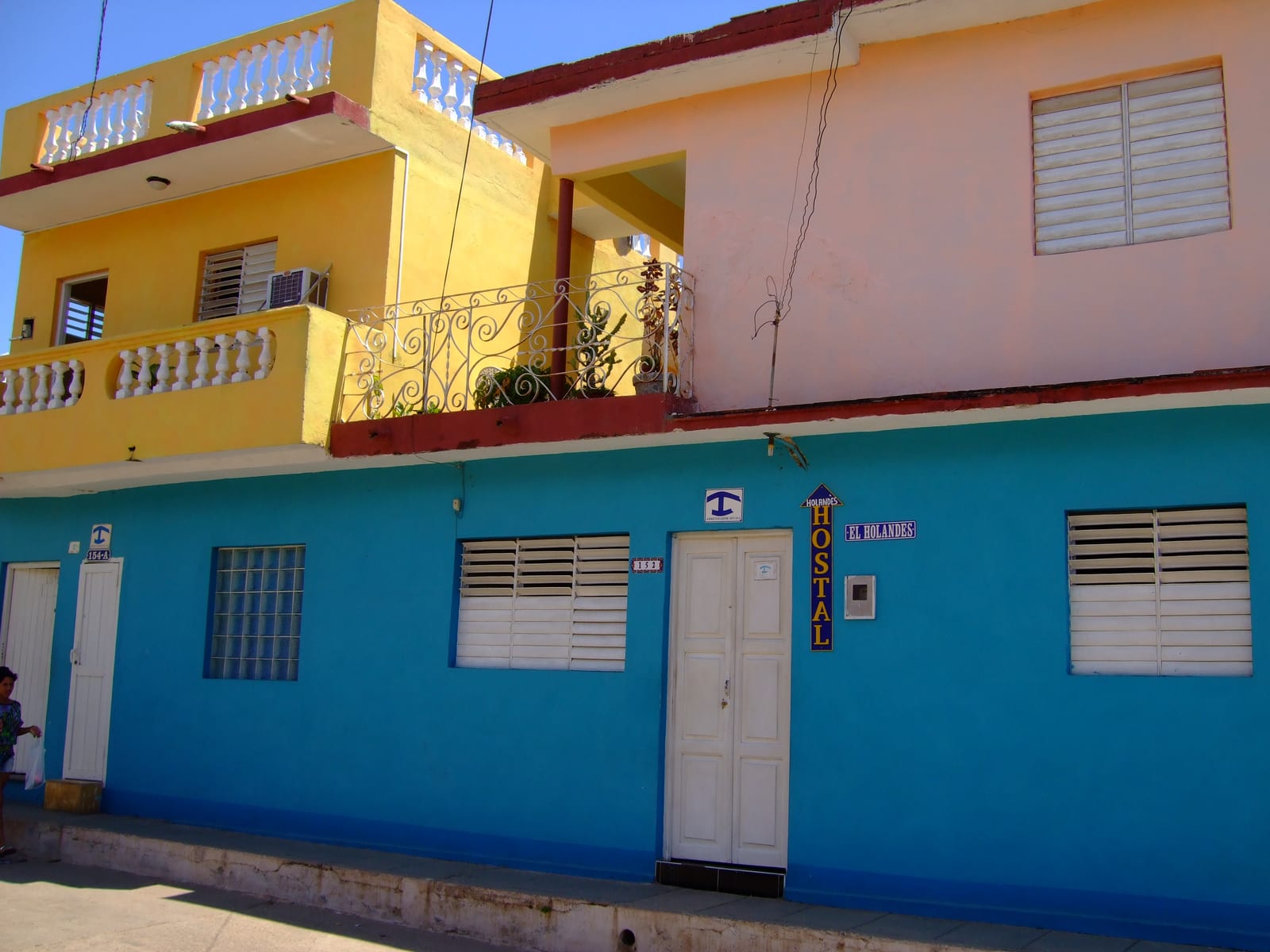
Spanish for a casa particular: confirm your room and stay in Cuba
Ask clear questions in Spanish about your room, bathroom, arrival time and breakfast in Cuba, with original examples and ways to confirm the answer.

Buying clothes in Cuba: Spanish for sizes, sleeves and fit
Ask about a guayabera, compare sizes, request a fitting and explain how clothes fit in Spanish, with original examples for shopping in Cuba.
Read a Cuban recipe in Spanish: cooking verbs, commands and sequence
Understand picar, sofreír, echar and colar in Cuban recipe reading. Practise verb forms, ingredient descriptions and sequence with original examples.
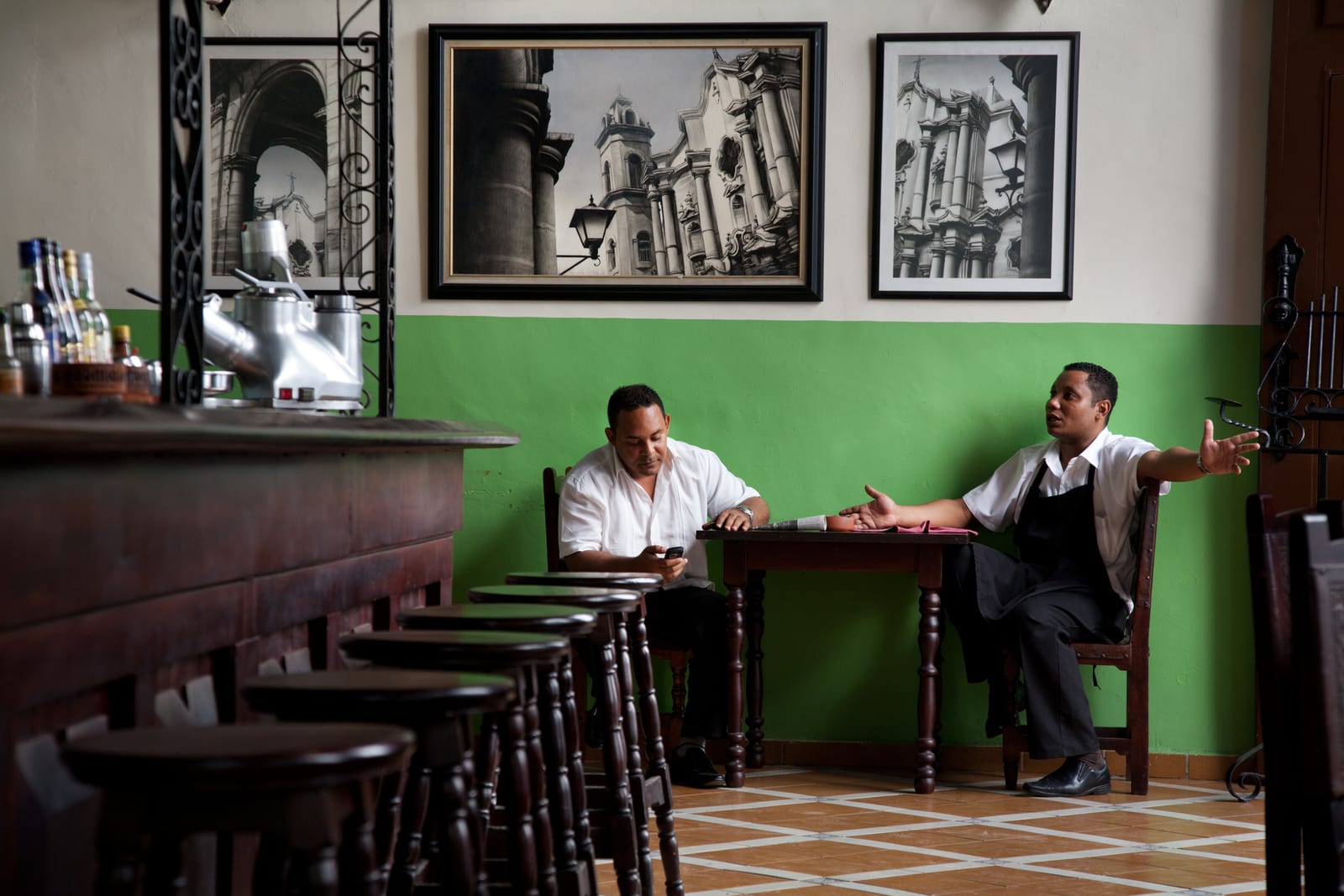
Lost something in Cuba? Describe the object in Spanish
Explain what you lost in Cuba using colour, material and the last place you saw it. Practise perdí, se me perdió, dejé, encontré and the Cuban word jaba.
Ser and estar in Cuban Spanish: conversations, places and everyday descriptions
Practise ser and estar through original examples about Cuba: introductions, locations, events, food and useful corrections.
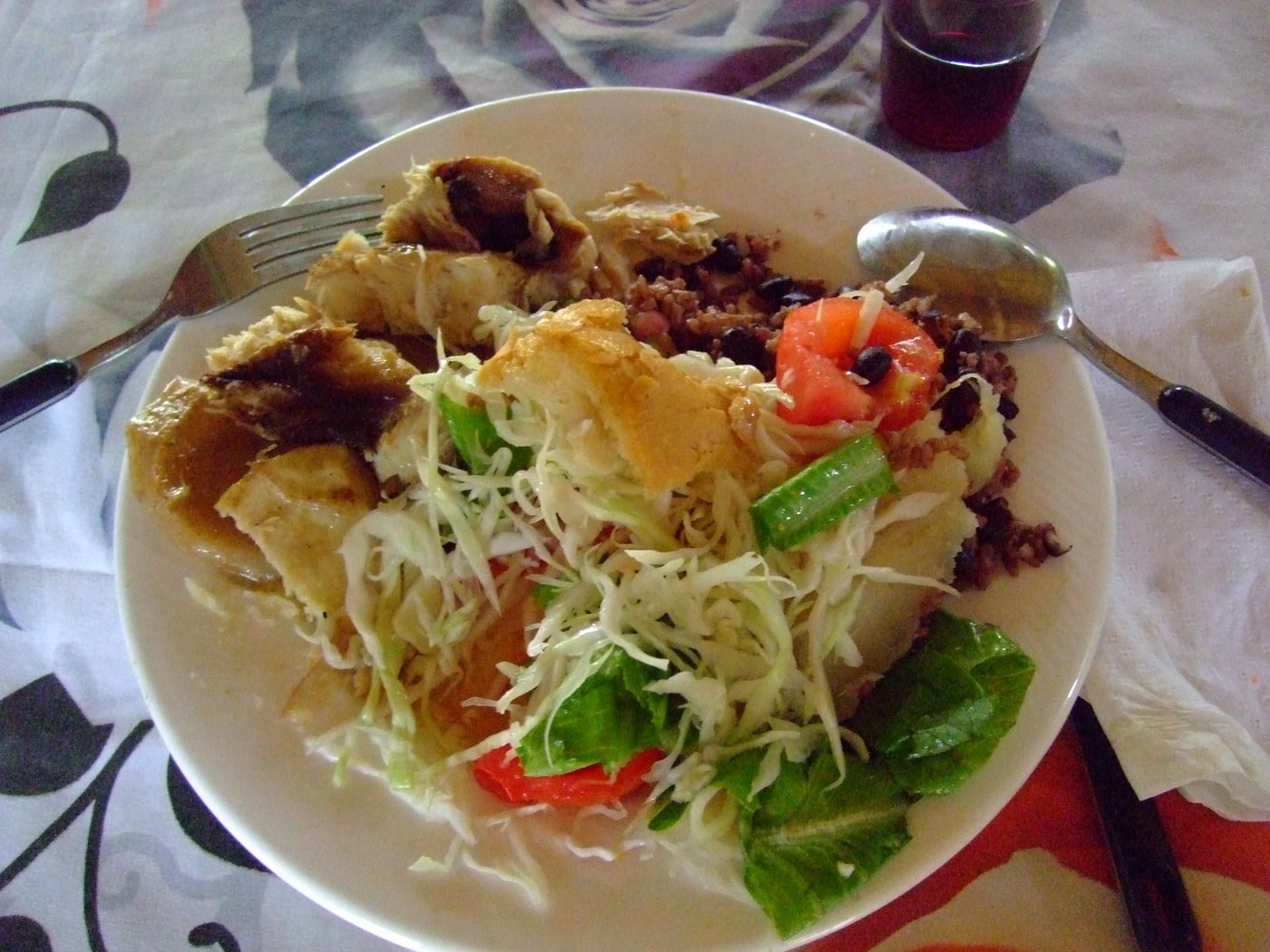
Me gusta or me gustan? Talking about Cuban food and music
Learn how gustar works with Cuban food and music examples: singular and plural, pronouns, questions and natural short replies.

Cuban Spanish Weather Conversations: Heat, Rain and Everyday Plans
Talk about heat, rain and cloudy days in Cuban Spanish. Practise hace calor, tengo calor and está lloviendo through complete original exchanges.
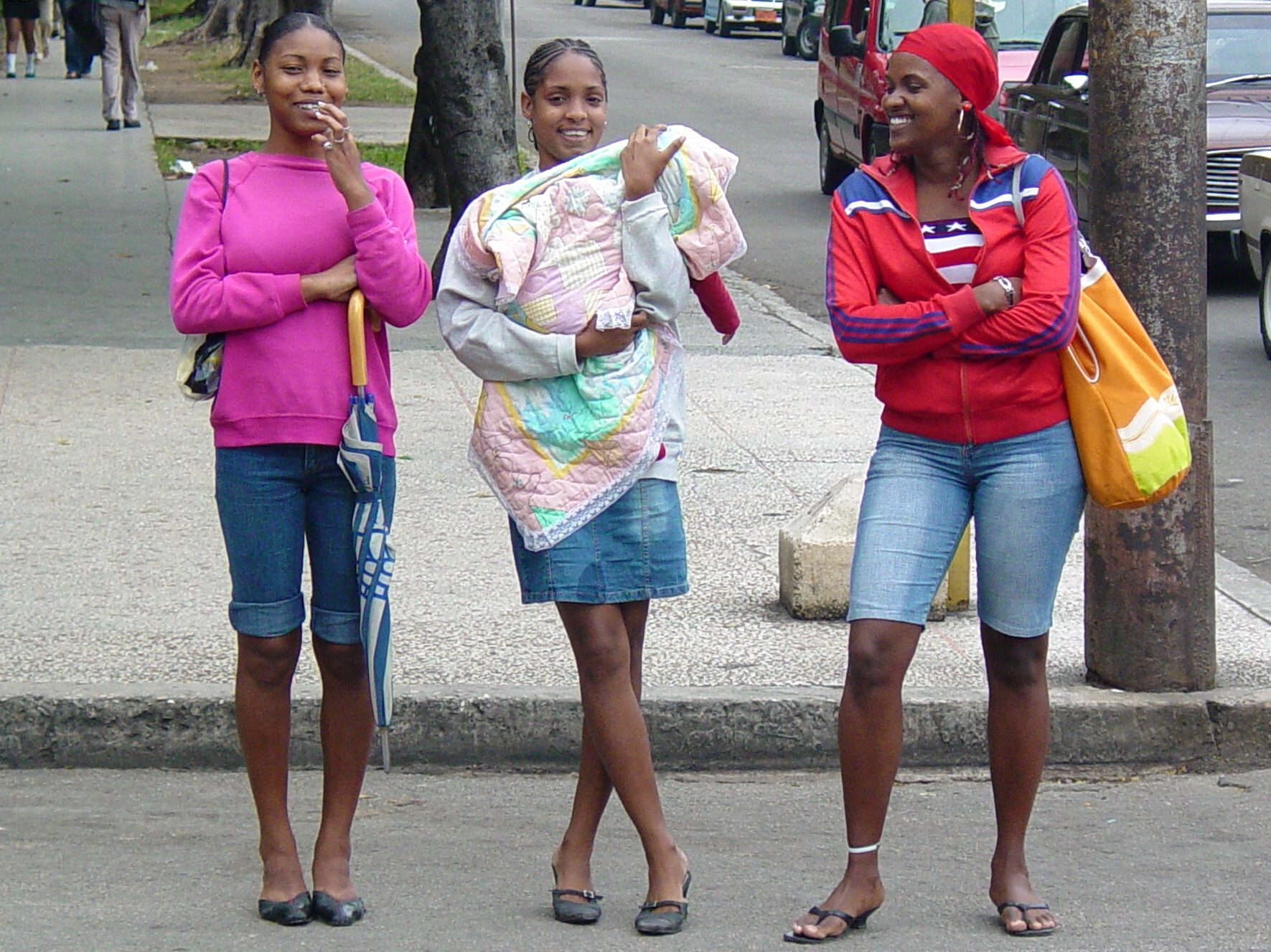
Asking for Walking Directions in Cuba: Cuadra, Esquina and the Next Turn
Ask for walking directions in Cuba and understand the reply. Practise cuadra, esquina, siga and doble with original dialogues and confirmation questions.
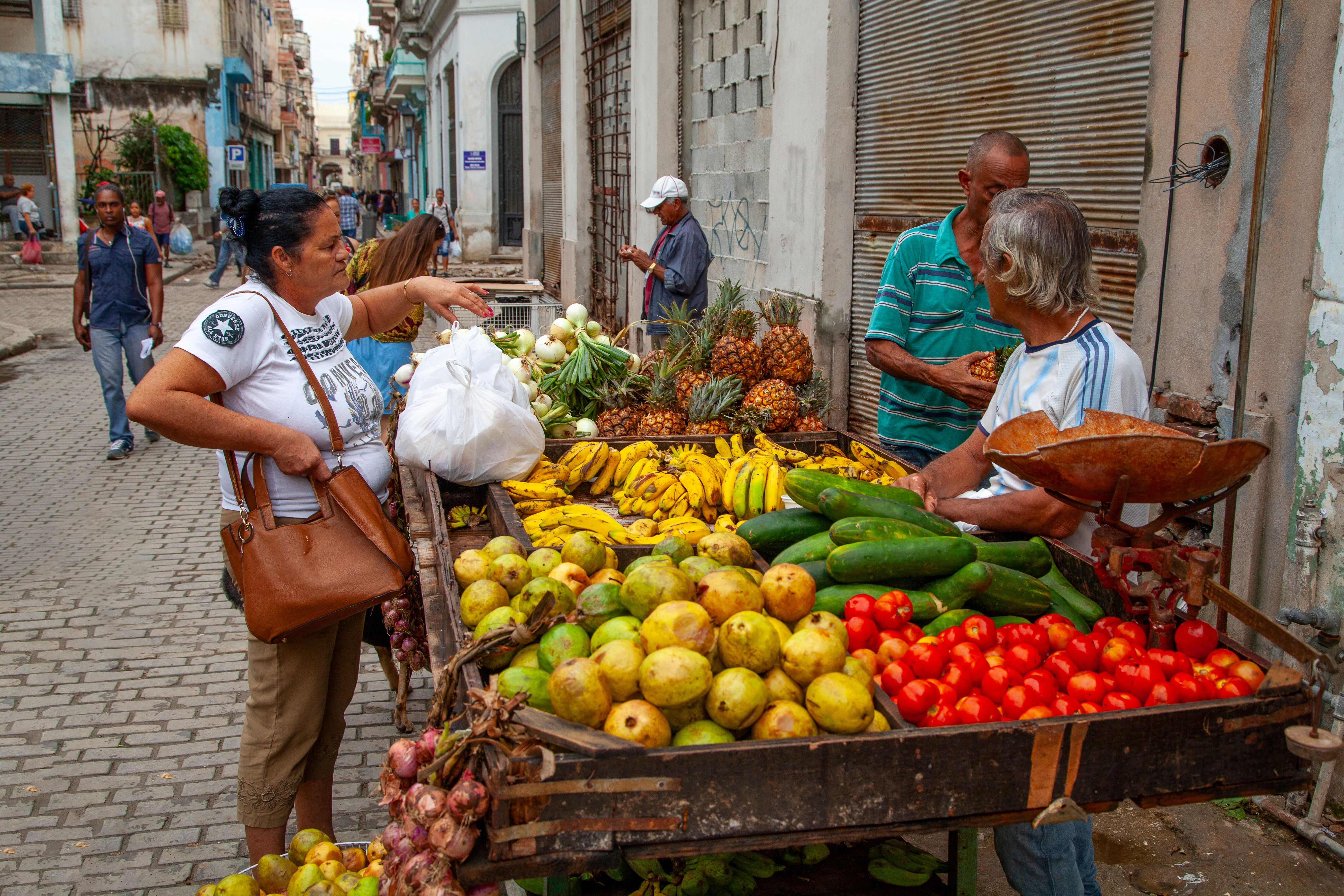
Shopping at a Cuban Market in Spanish: Quantities, Units and the Total
Practise a market purchase in Cuban Spanish: ask what is available, check the unit, request a quantity and confirm the total with original examples.
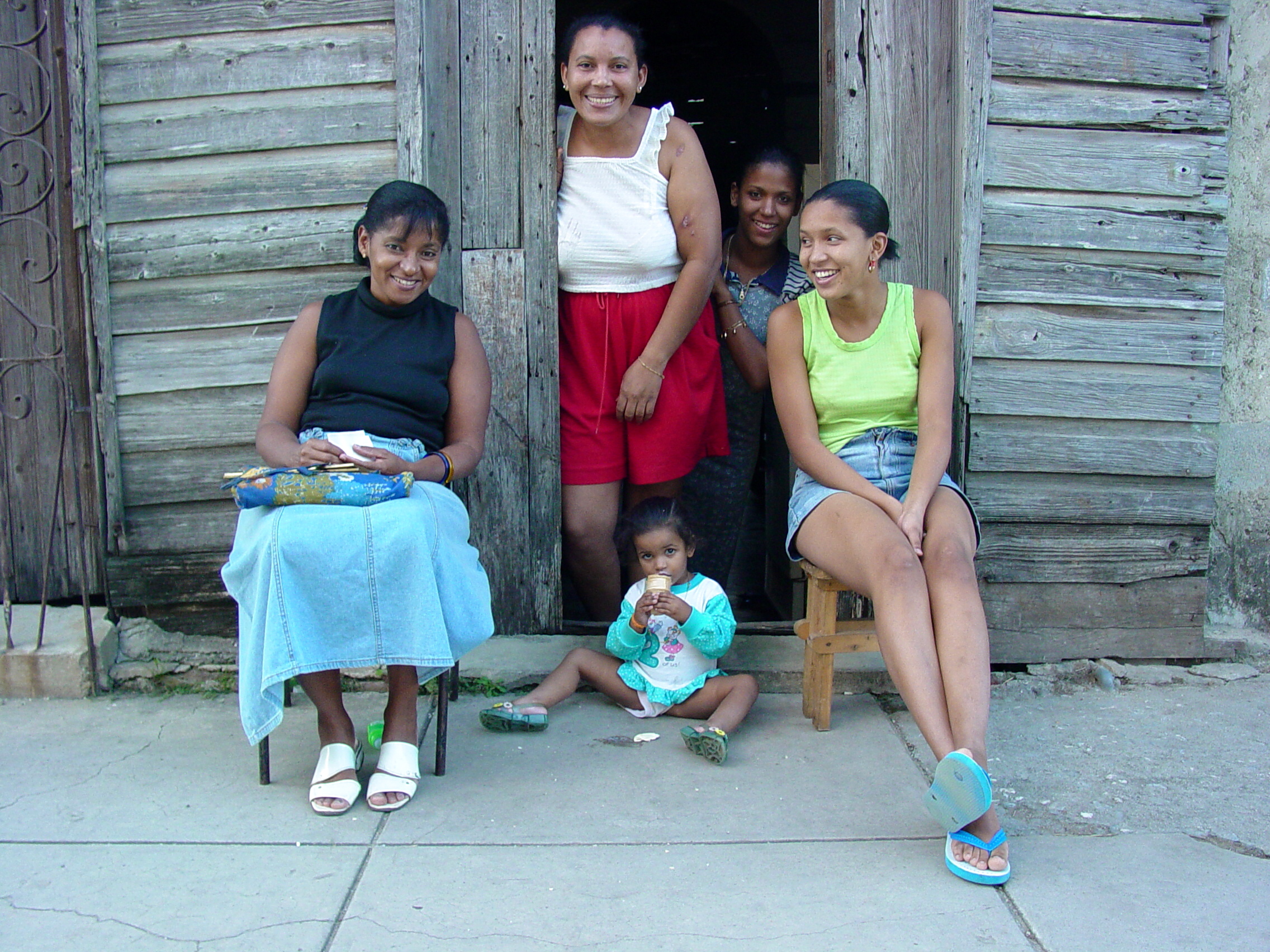
Talking About Family in Cuban Spanish: Who Is Related to Whom?
Introduce relatives in Cuban Spanish and explain who is related to whom. Practise mi, tu, su and de with clear original family conversations.
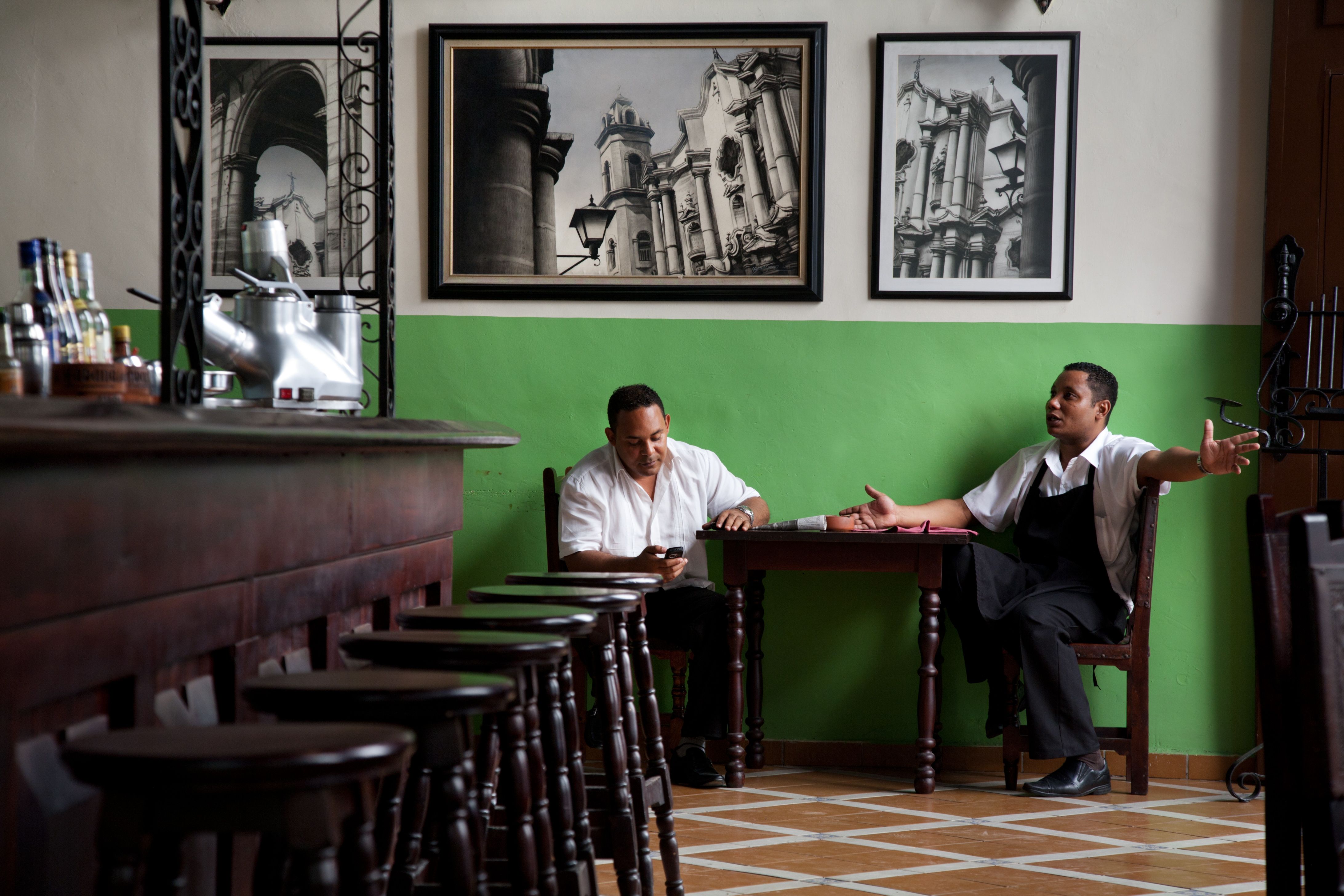
Negation in Cuban Spanish: No, Nadie, Nunca and Tampoco
Build clear negative sentences in Cuban Spanish, place nadie and nunca, use tampoco in replies and practise complete original everyday exchanges.
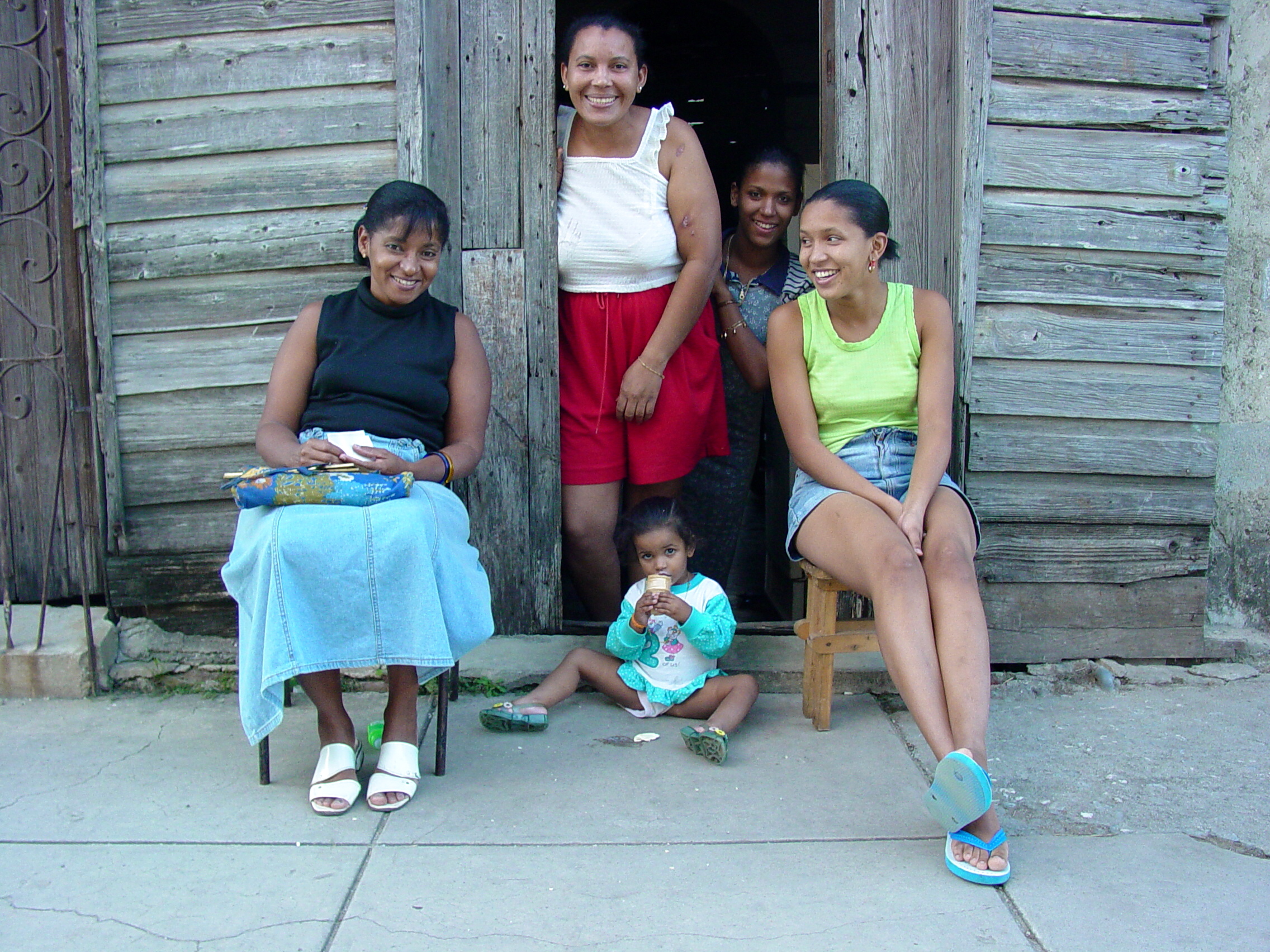
Cuban Spanish Story Connectors: Primero, Entonces, Resulta Que and Al Final
Connect a story in Cuban Spanish with clear sequences, turns and outcomes. Compare entonces, resulta que and al final in original written examples.

Cuban Spanish Phone Calls: Answer, Clarify and Finish a Conversation
Handle a phone call in Cuban Spanish: understand ¡oigo!, introduce yourself, check a number, repair a poor connection and confirm the next step.
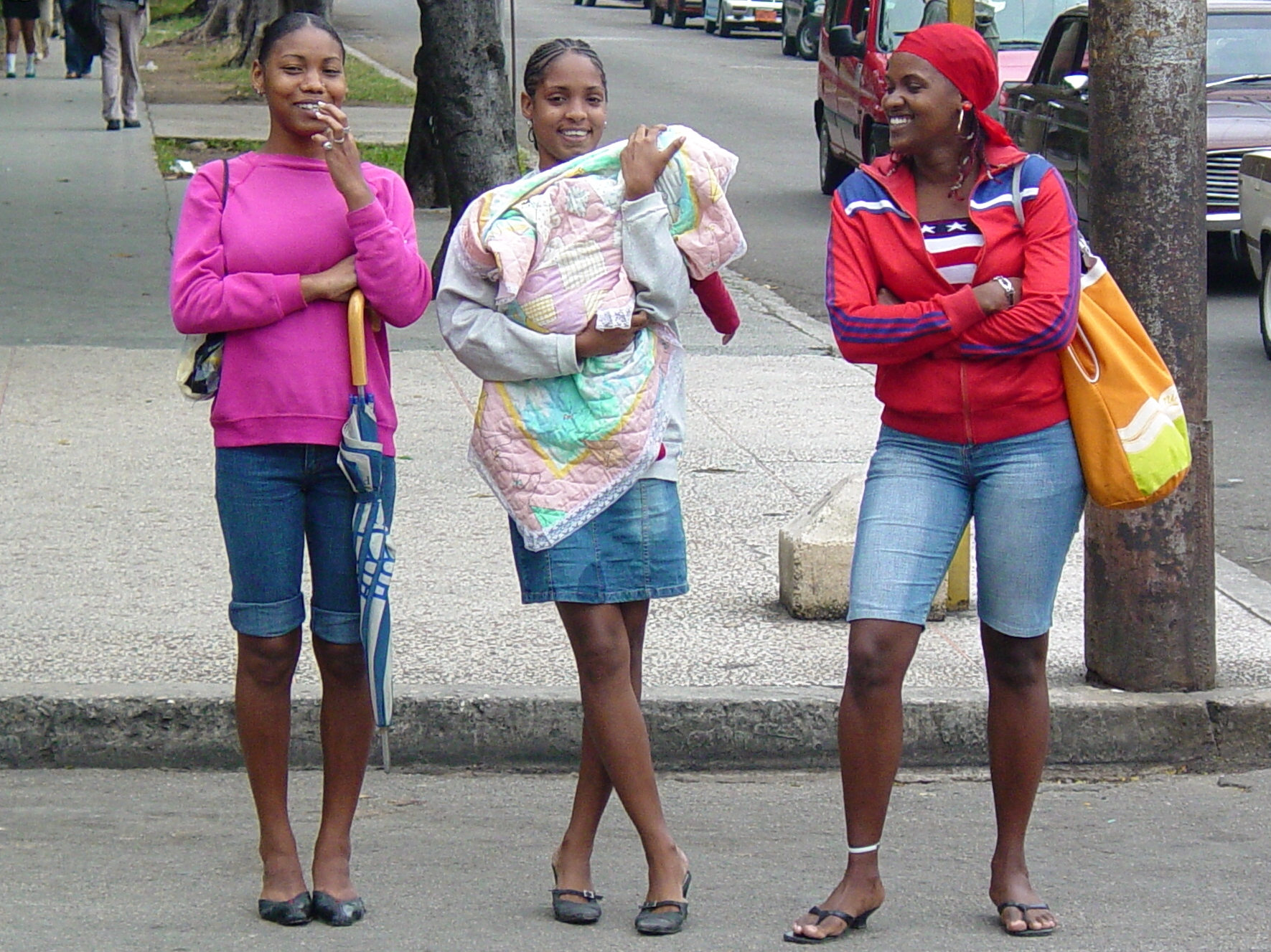
Cuban Spanish Invitations: Suggest an Activity and Make a Clear Plan
Invite someone in Cuban Spanish, agree a day and meeting point, accept or decline naturally, clarify who pays and confirm a shared plan.

Cuban Spanish Transport Vocabulary: Guagua, Máquina and Almendrón
Understand guagua, máquina, almendrón and botella in Cuba. Practise complete Spanish questions about destinations, stops and what a quoted fare covers.
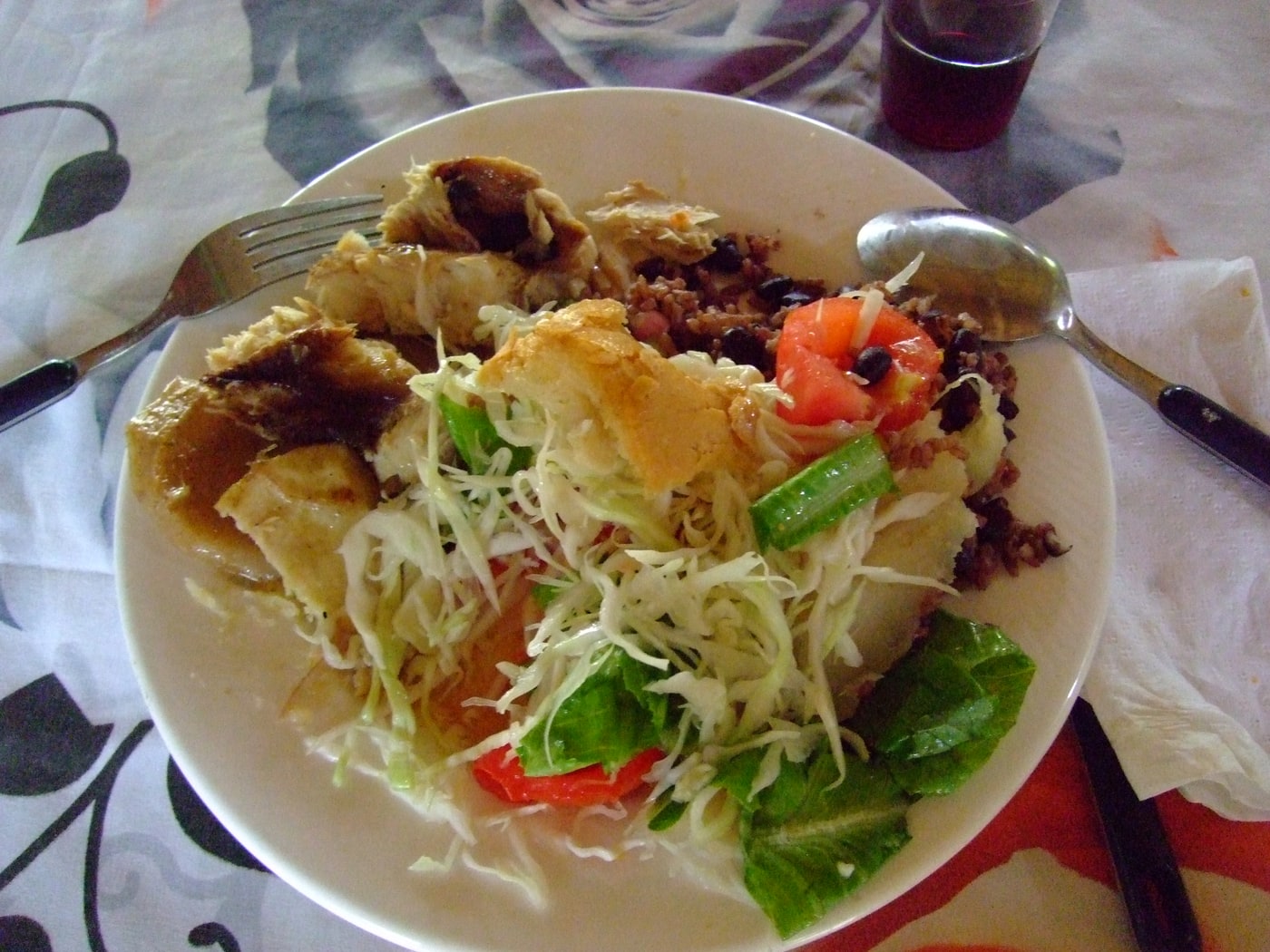
Cuban Food Vocabulary in Spanish: Viandas, Congrí and Menu Questions
Read Cuban food words with confidence: viandas, yuca, malanga, boniato, congrí and tostones. Build complete questions about ingredients, sides and availability.
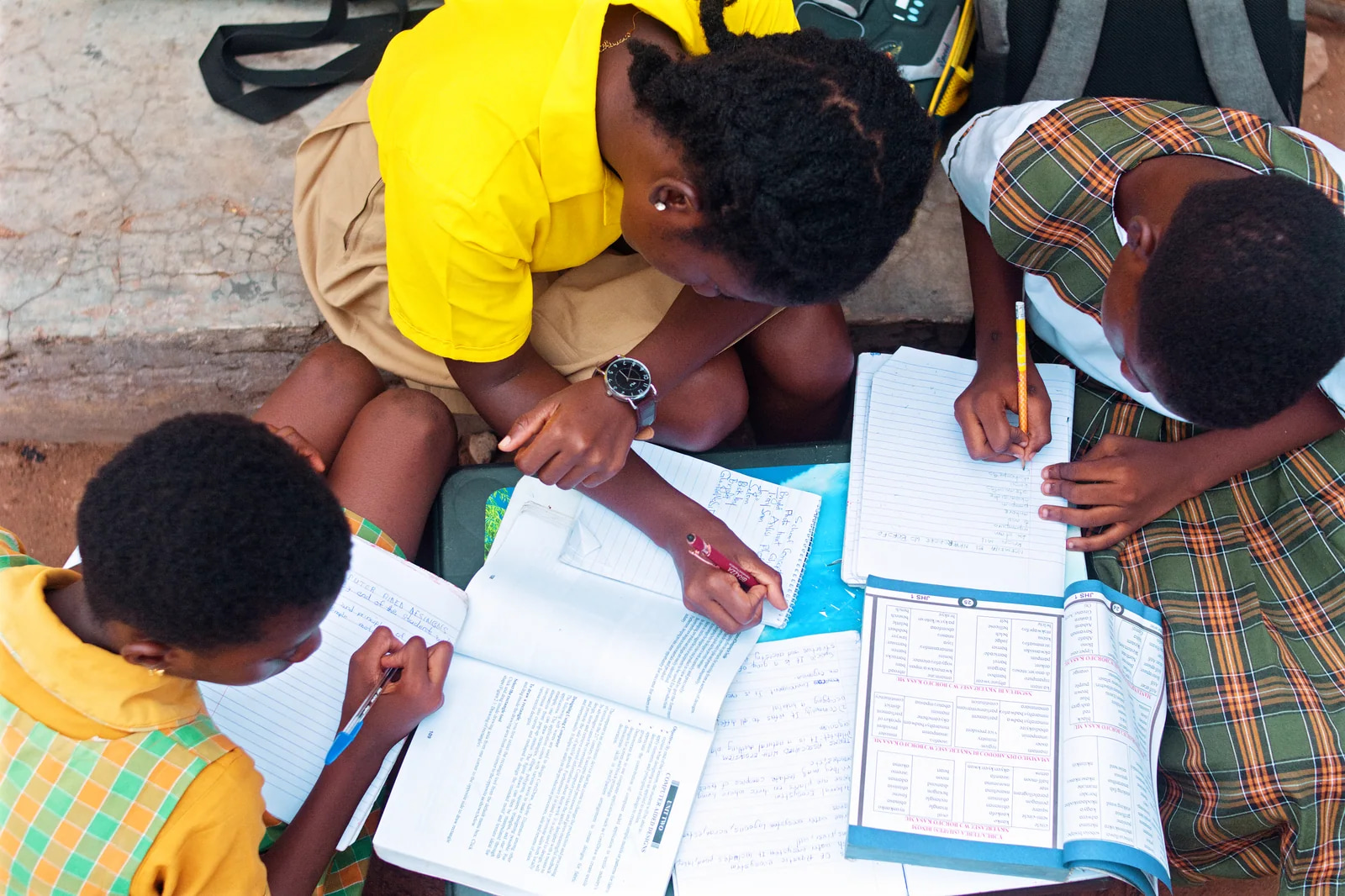
Cuban Spanish Past Tenses: Pretérito and Imperfecto in Everyday Stories
Choose hablé or hablaba, fui or iba in Cuban Spanish conversations. See how events, background and past habits fit together in complete examples.
Ya, Todavía and Aún in Cuban Spanish: Already, Still and Not Yet
Understand ya, ya no and todavía no in Cuban Spanish conversations, answer timing questions and distinguish written aún from aun with clear examples.
Cuban Spanish Diminutives: Meaning, Tone and Everyday Examples
Understand cafecito, vasito and un momentito through complete examples, context and useful replies while learning Cuban Spanish.
Polite Requests in Cuban Spanish: ¿Me das…?, ¿Puedes…? and Por Favor
Build clear requests in Cuban Spanish, distinguish asking permission from asking for an action, and follow accepting, refusing and alternative replies.
Tú or Usted in Cuban Spanish: Forms of Address in Real Context
Choose tú, usted and ustedes in Cuban Spanish with clear verb comparisons, respectful questions and practical examples that account for relationships and variation.
Cuban Spanish Question Word Order: Understanding ¿Qué tú…?
Understand subject-before-verb questions in Cuban Spanish, compare common alternatives and build clear questions without treating one regional pattern as universal.
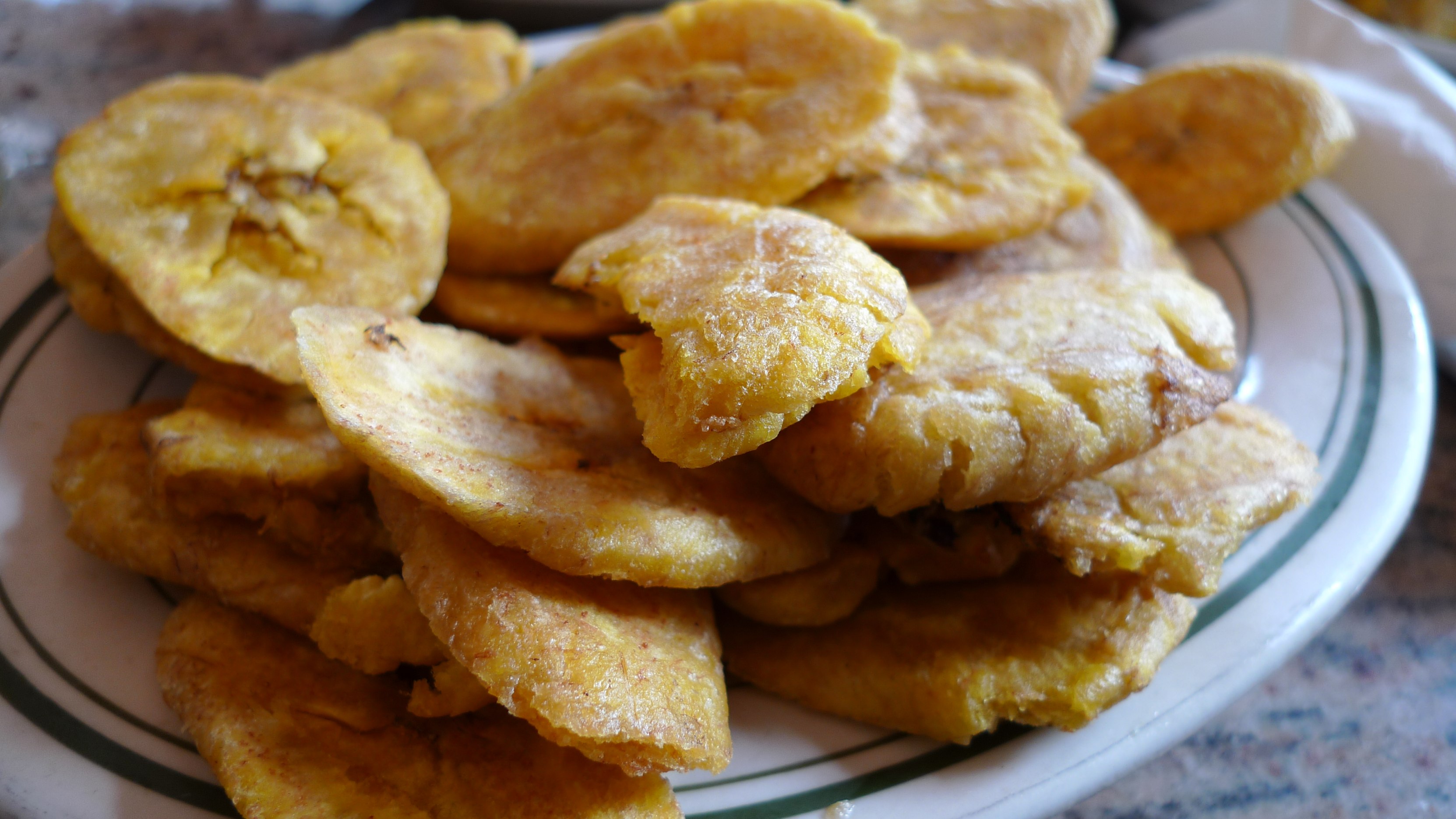
Cuban tostones
Green plantain, two rounds in the frying pan and the flattened shape of Cuban tostones, also called chatinos.
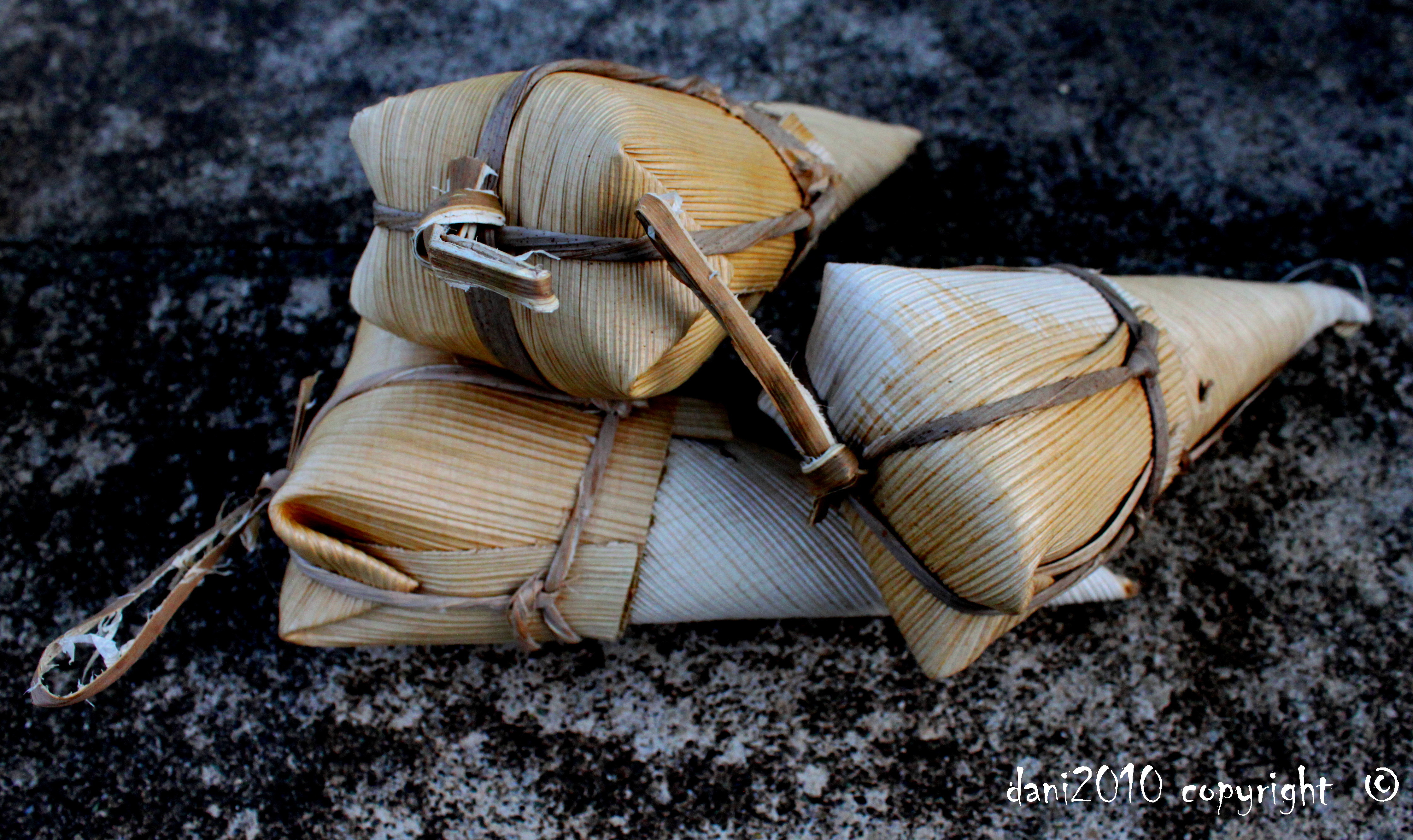
Cucurucho from Baracoa, Cuba
Baracoa’s grated coconut sweet comes in a cone made from yagua, the leaf sheath of the royal palm.
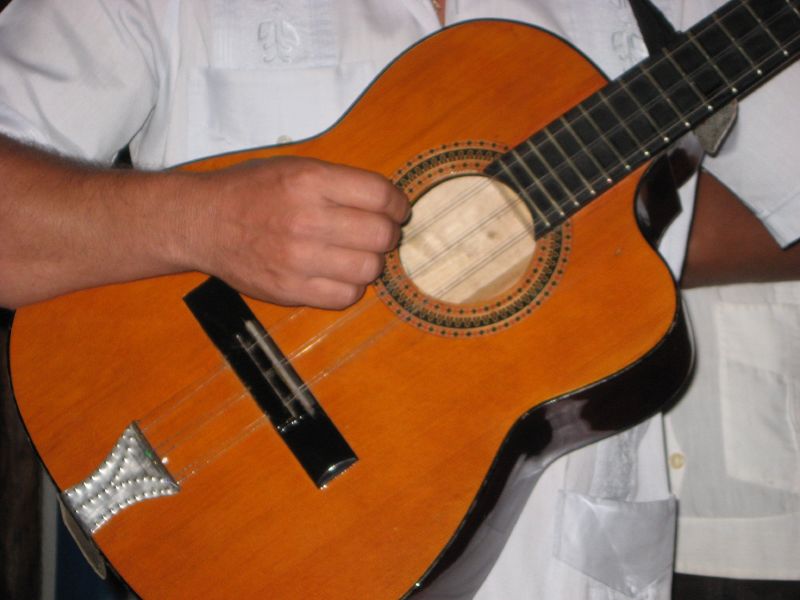
Cuban tres
The Cuban tres has six strings arranged in three pairs and a characteristic place in son ensembles.

Cuba’s national flower: la mariposa blanca
Cuba’s national flower is Hedychium coronarium, a fragrant white-flowered plant in the ginger family.
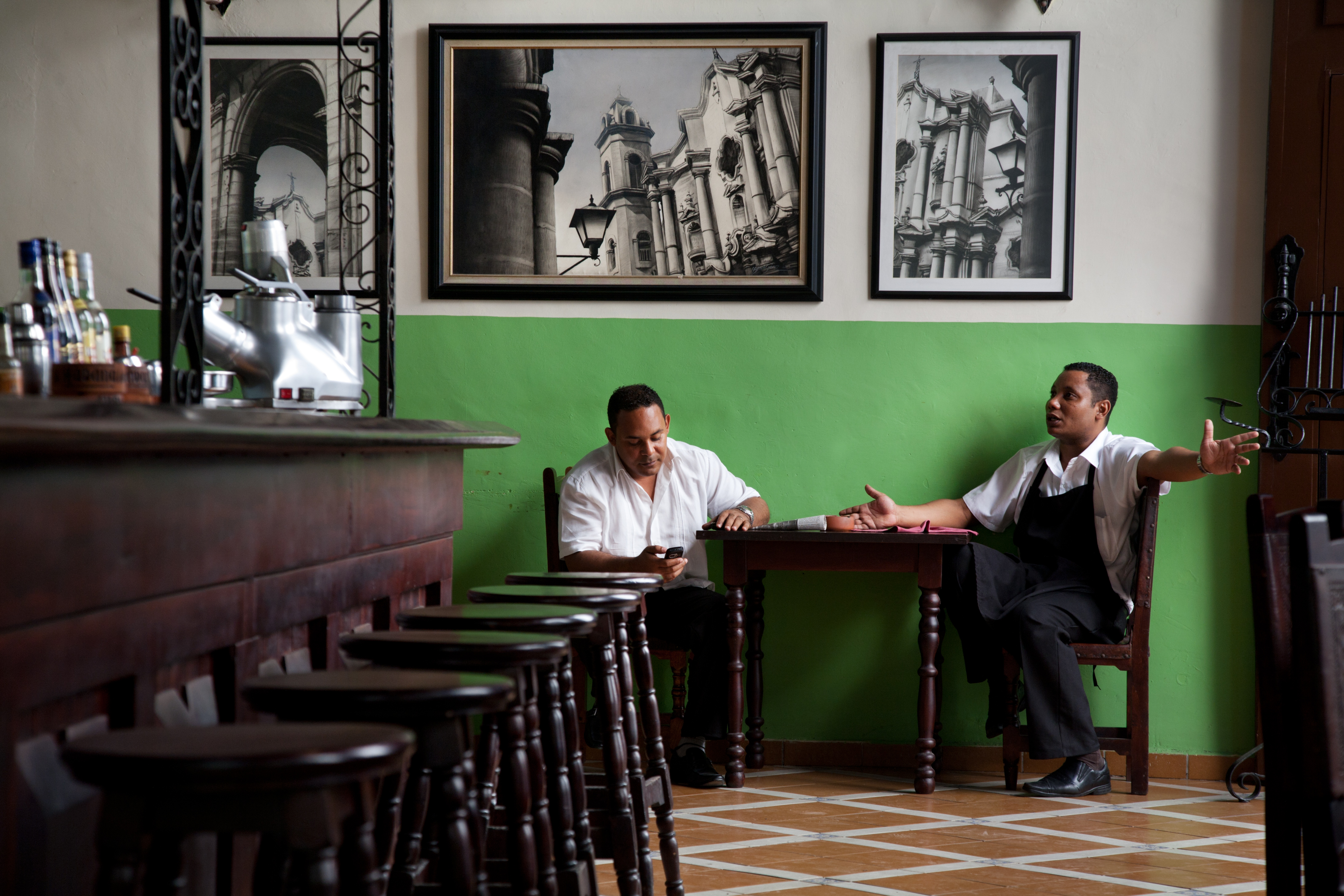
How to Hear Word Boundaries in Cuban Spanish
Learn Cuban Spanish listening skills by finding word boundaries, following linked sounds and checking short phrases without forcing an exaggerated accent.
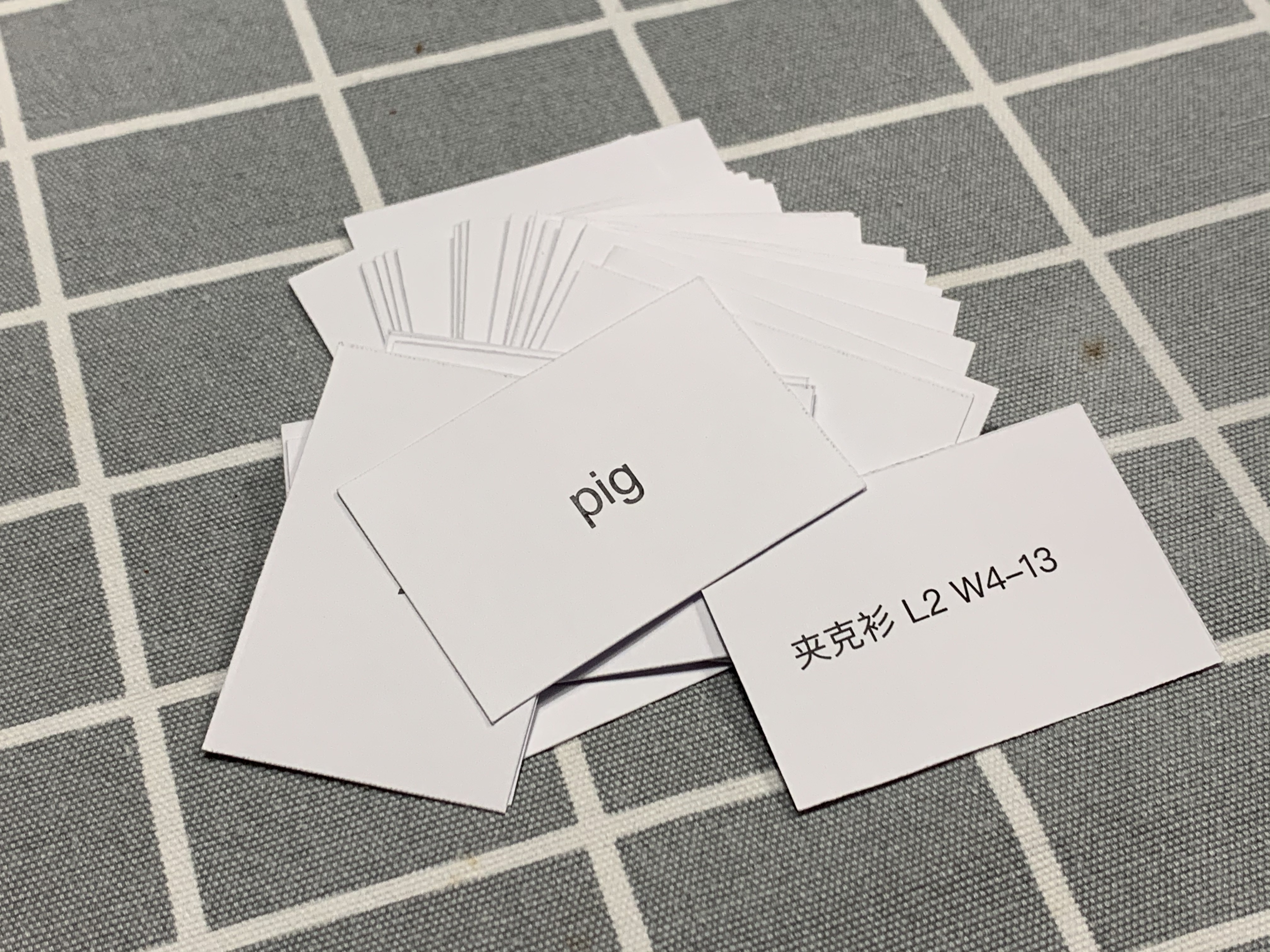
How to Learn Cuban Spanish with Flashcards in Context
Build useful Cuban Spanish flashcards with situations, complete phrases and recall practice. Learn how to move from recognising a word to using it in context.

Rumba
The singer calls, the coro answers, and the people around the dancers keep the rumba going.
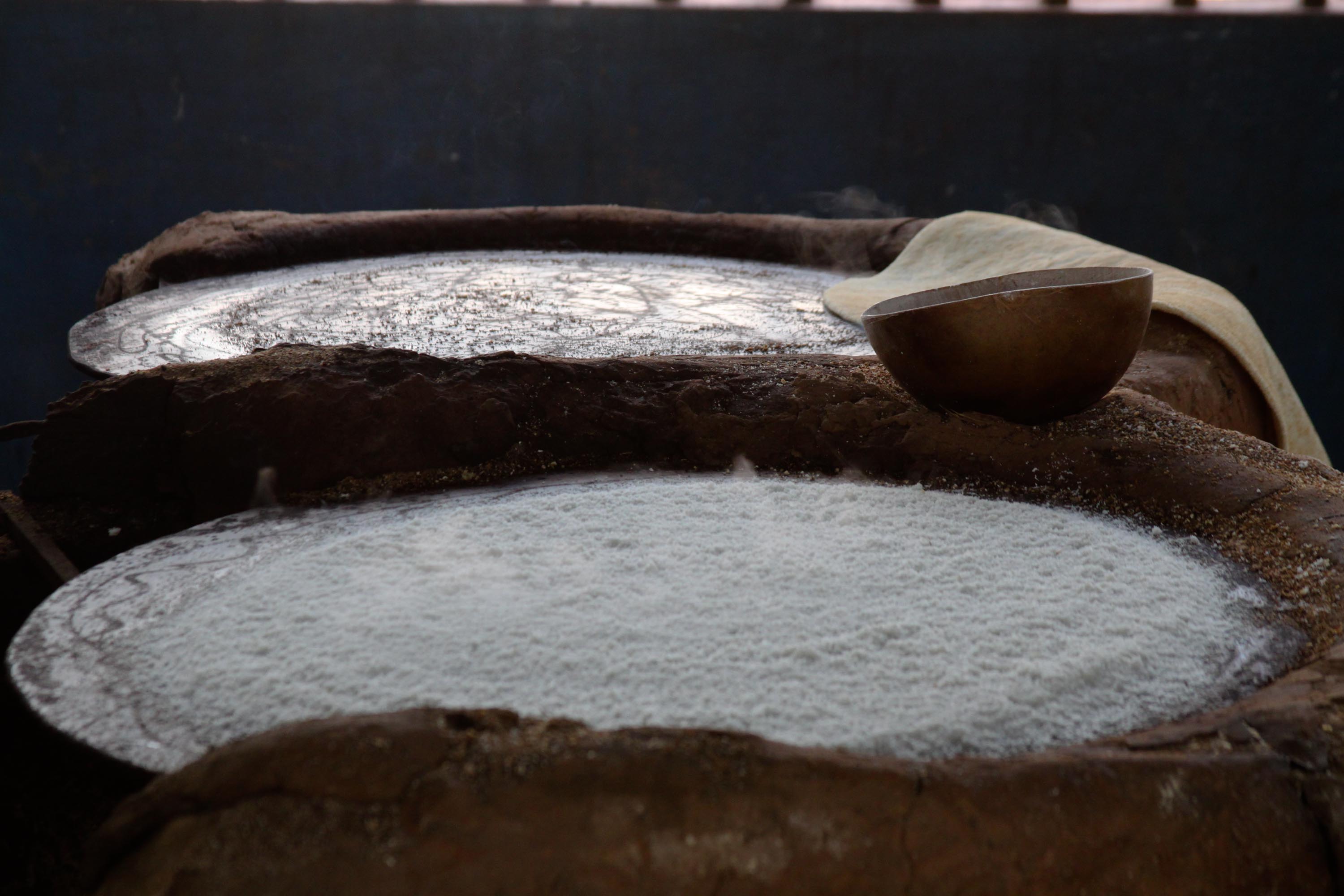
Casabe
Yuca, catibía and a burén: the bread that keeps a place beside Camagüey's ajiaco.

Viñales
Mogotes, tobacco fields and wooden houses: a valley where people live and work.
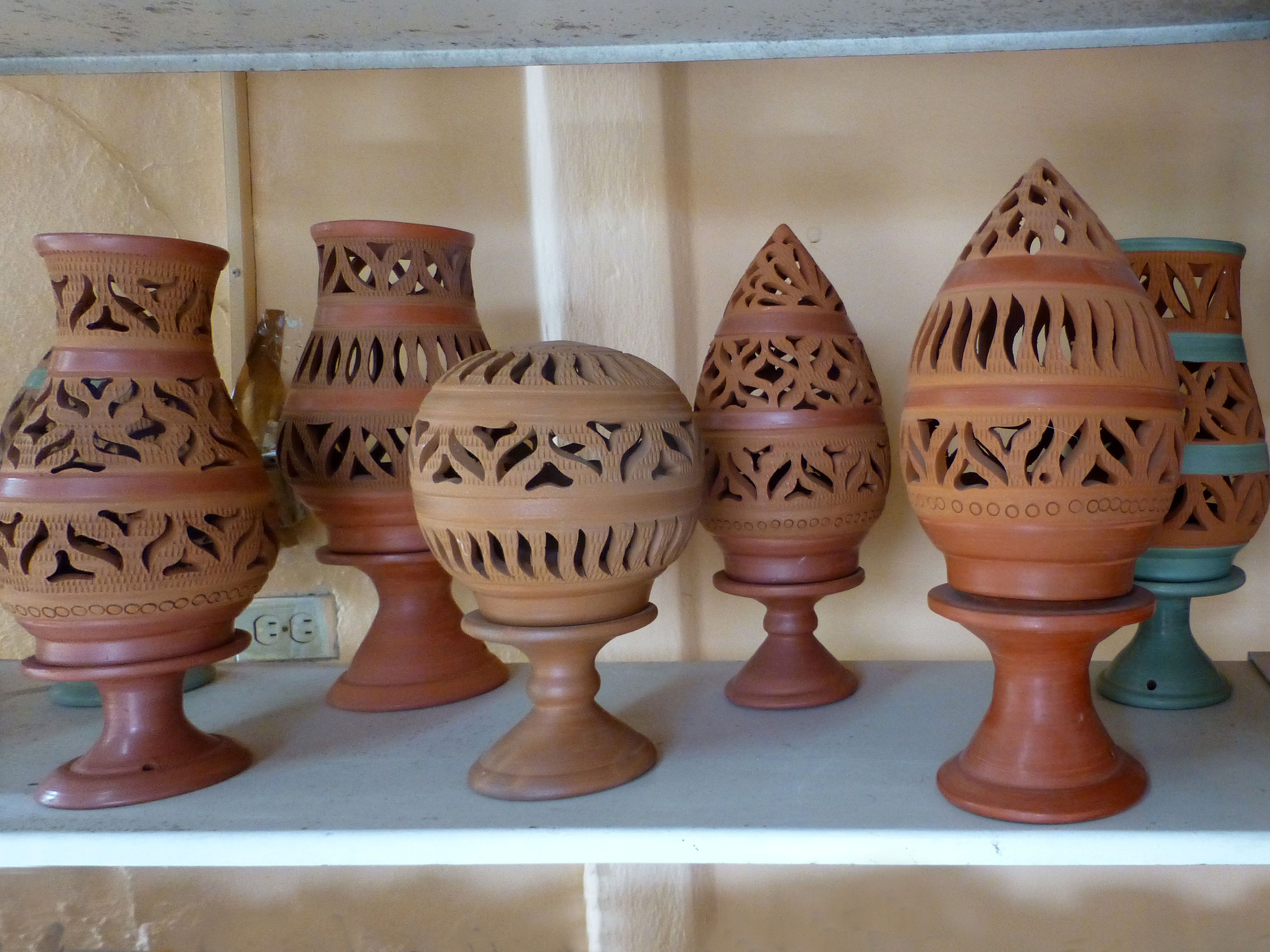
Trinidad's Pottery
Porrones for the cane fields and jugs for the home: clay work passed through generations in Trinidad.
Cuban Spanish Greetings: Qué Bolá, Asere and Choosing the Right Tone
Learn Cuban Spanish greetings through everyday situations: when qué bolá fits, what asere signals, and how to open and continue a conversation naturally.
What to Say When You Don’t Understand Cuban Spanish
Keep a Cuban Spanish conversation going with clear requests for repetition, word meanings and confirmation. Practise complete written exchanges.
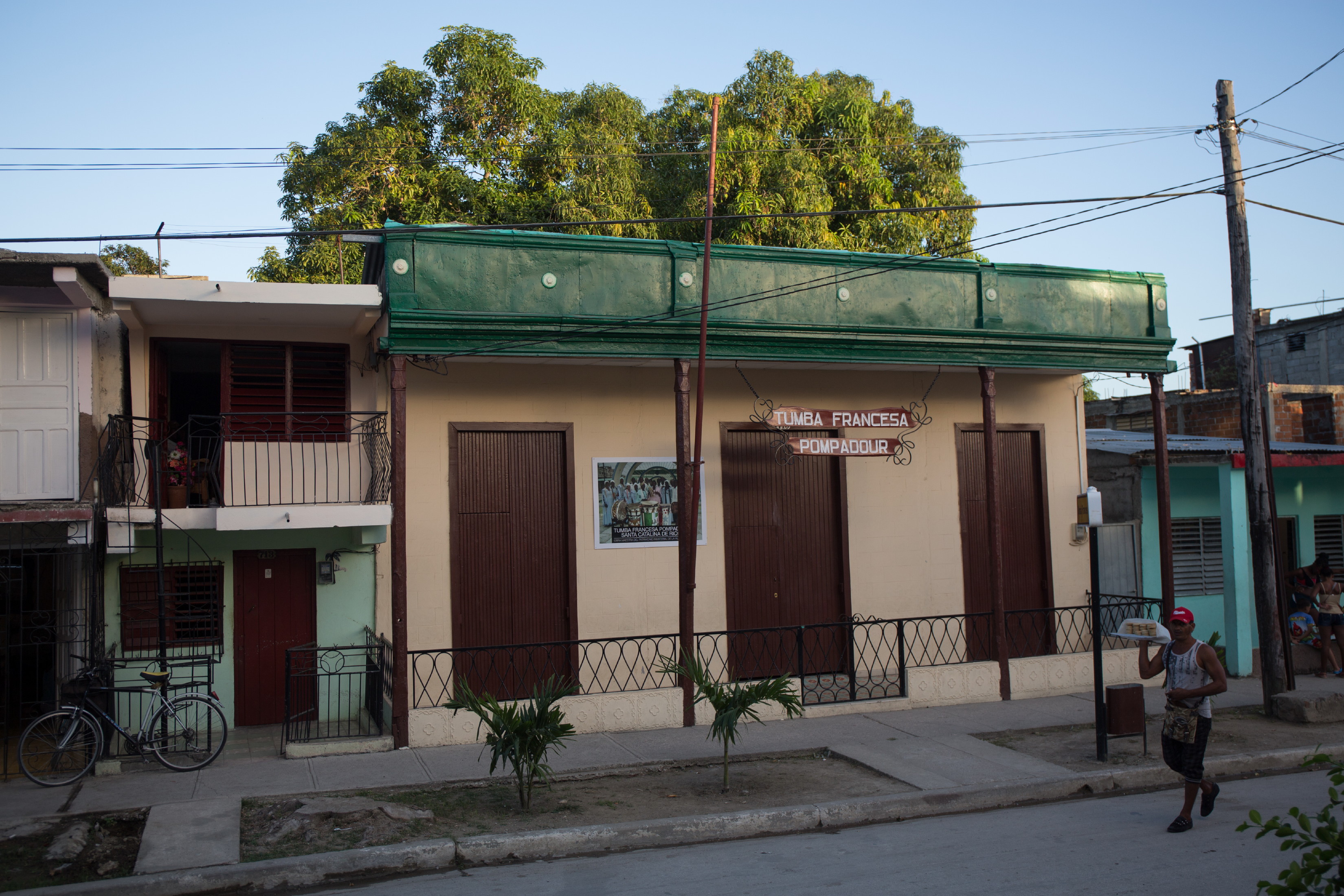
Tumba Francesa
A voice gives the signal, the drums answer, and a Haitian-Cuban community history comes alive in eastern Cuba.
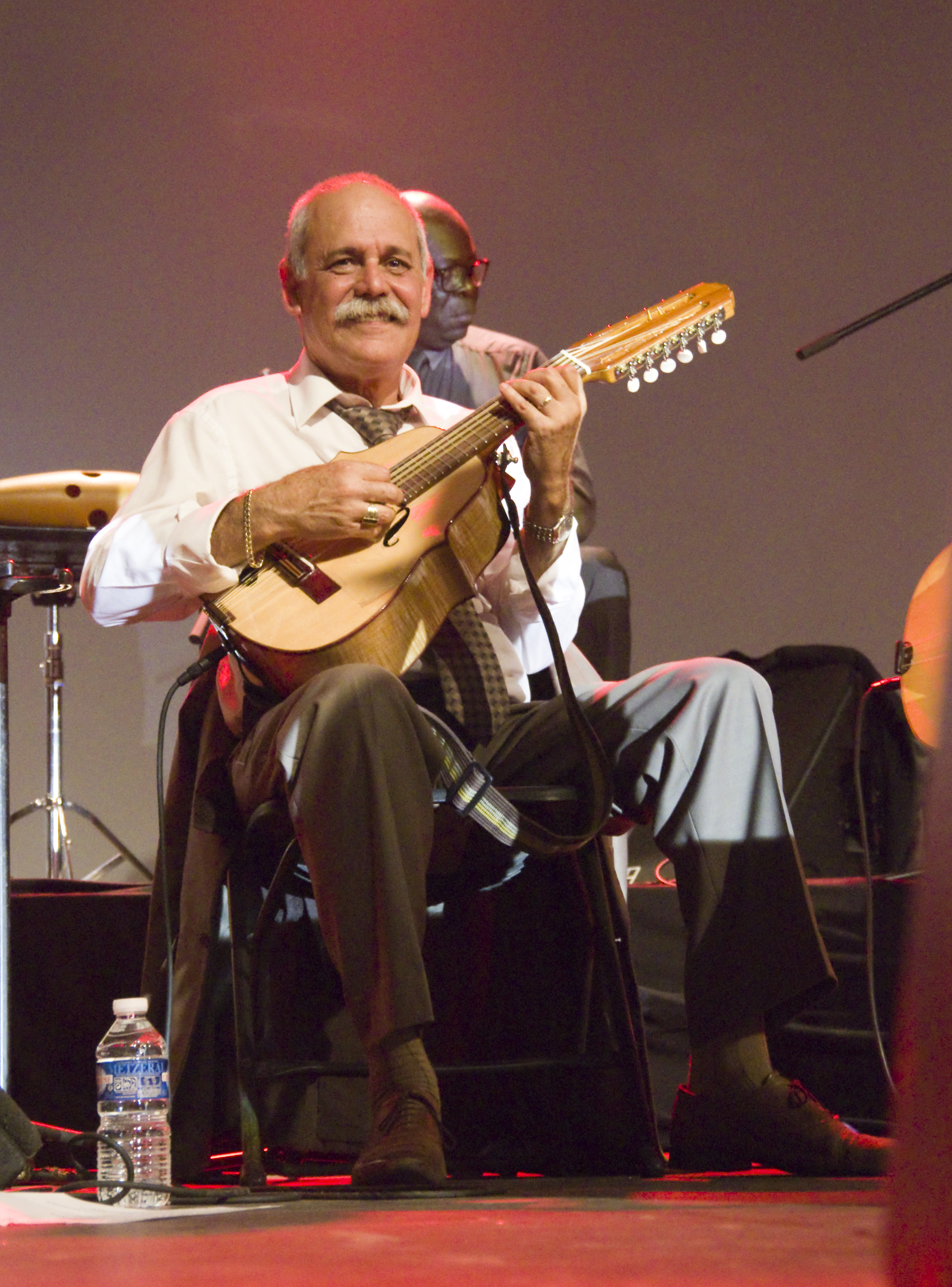
Punto Cubano
Ten lines, a rhyme to land and people listening: the craft and company behind Cuba’s punto guajiro.
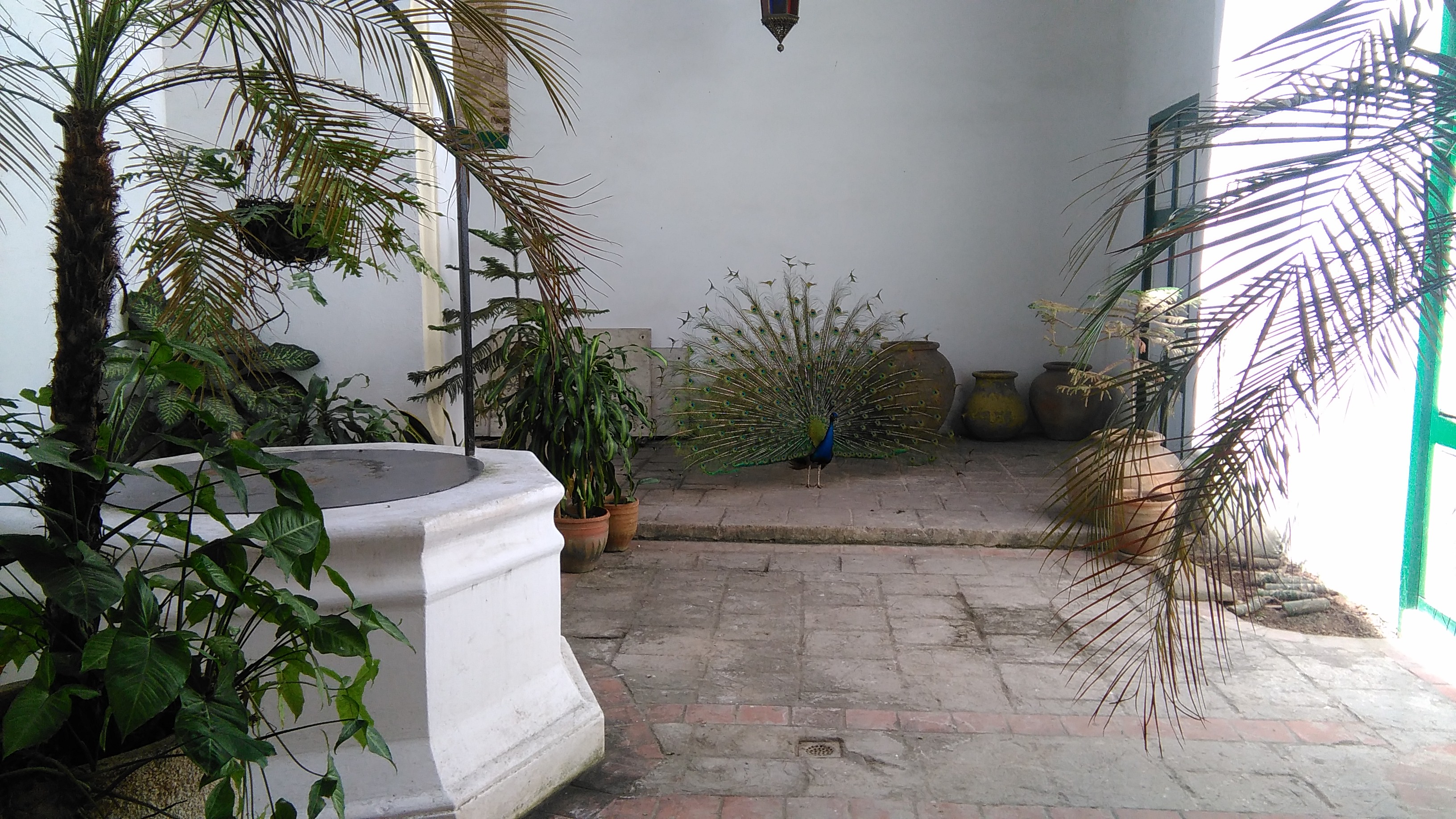
A Havana Patio
A piece of sky inside an old house: Havana’s patios bring together light, shade, moving air and shared space.

Danzón
Steps, deliberate pauses and a changing orchestra: danzón has been giving Cuban dance floors plenty to discuss since the nineteenth century.
Cuban Spanish Listening Practice: How to Work with Short Passages
Build Cuban Spanish listening practice around short spoken passages: understand the topic, replay a difficult phrase and use it in conversation.
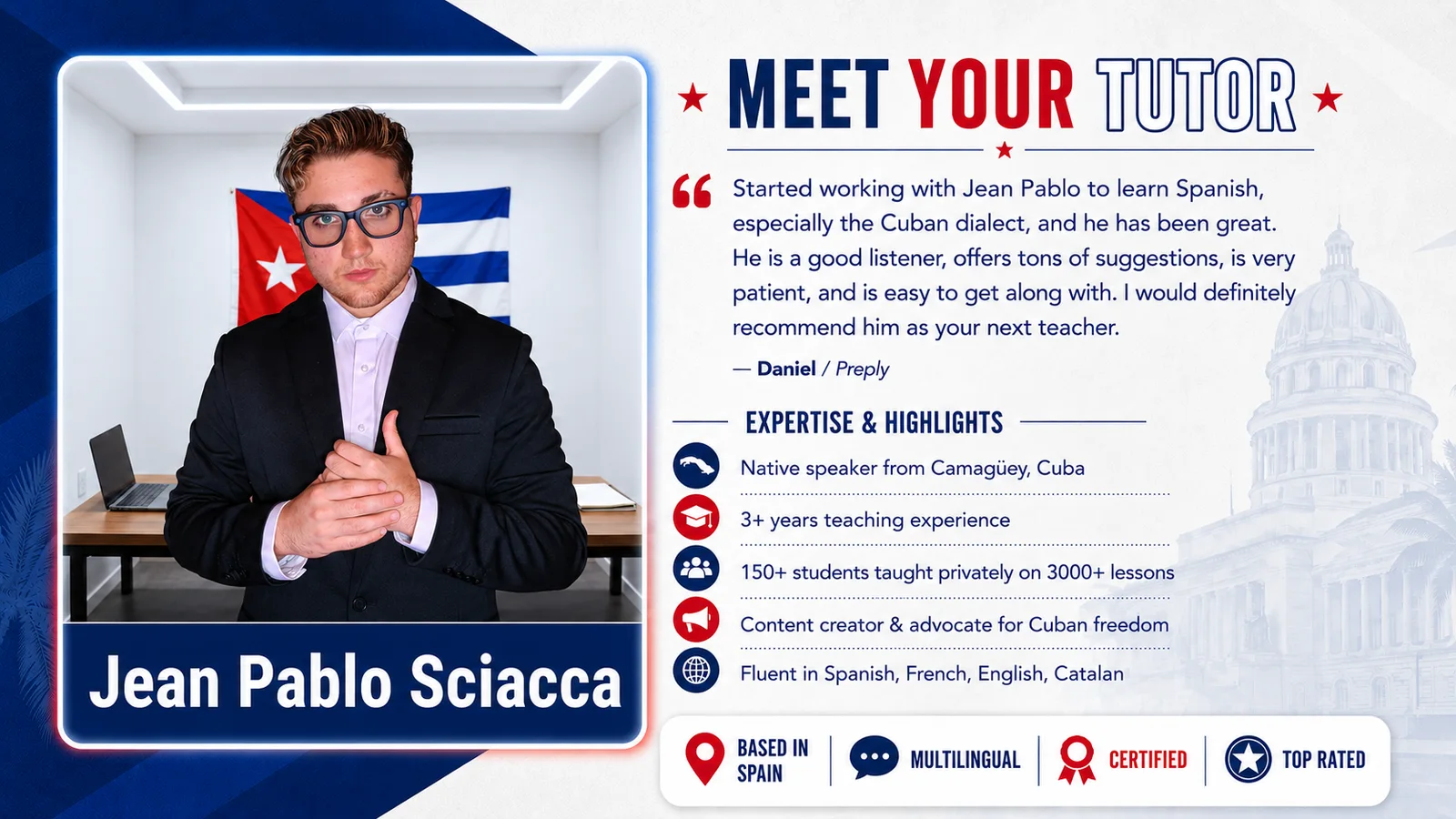
How to Choose a Cuban Spanish Teacher Online
Choose an online Cuban Spanish teacher by checking explanations, listening feedback, cultural context, lesson goals, availability and booking terms.

Things You Only Understand After Visiting Cuba
Some things about Cuba make more sense after a visit. Watch this original short video from Cuban Spanish Academy.

5 Things About Cuba You Have to Know
Five things about Cuba, presented in this original short video from Cuban Spanish Academy.
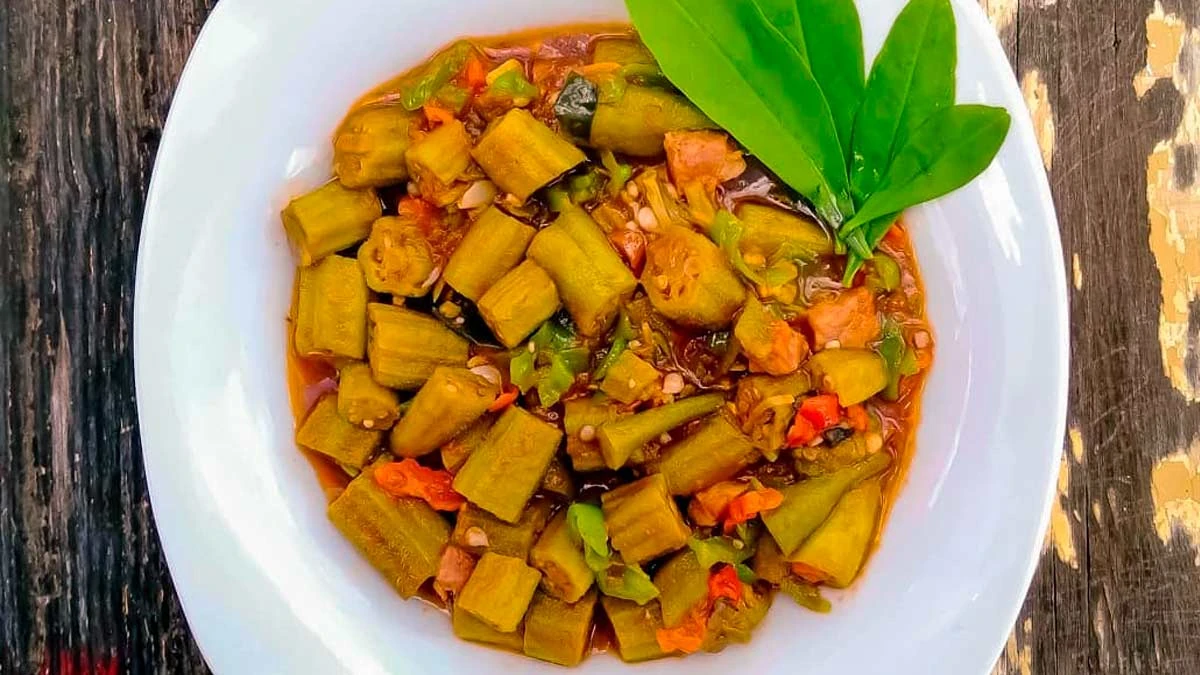
Quimbombó
A Cuban pot of quimbombó can bring okra, pork, garlic and onion together, with bolitas de plátano and white rice beside the stew. Its slippery texture comes from the pods
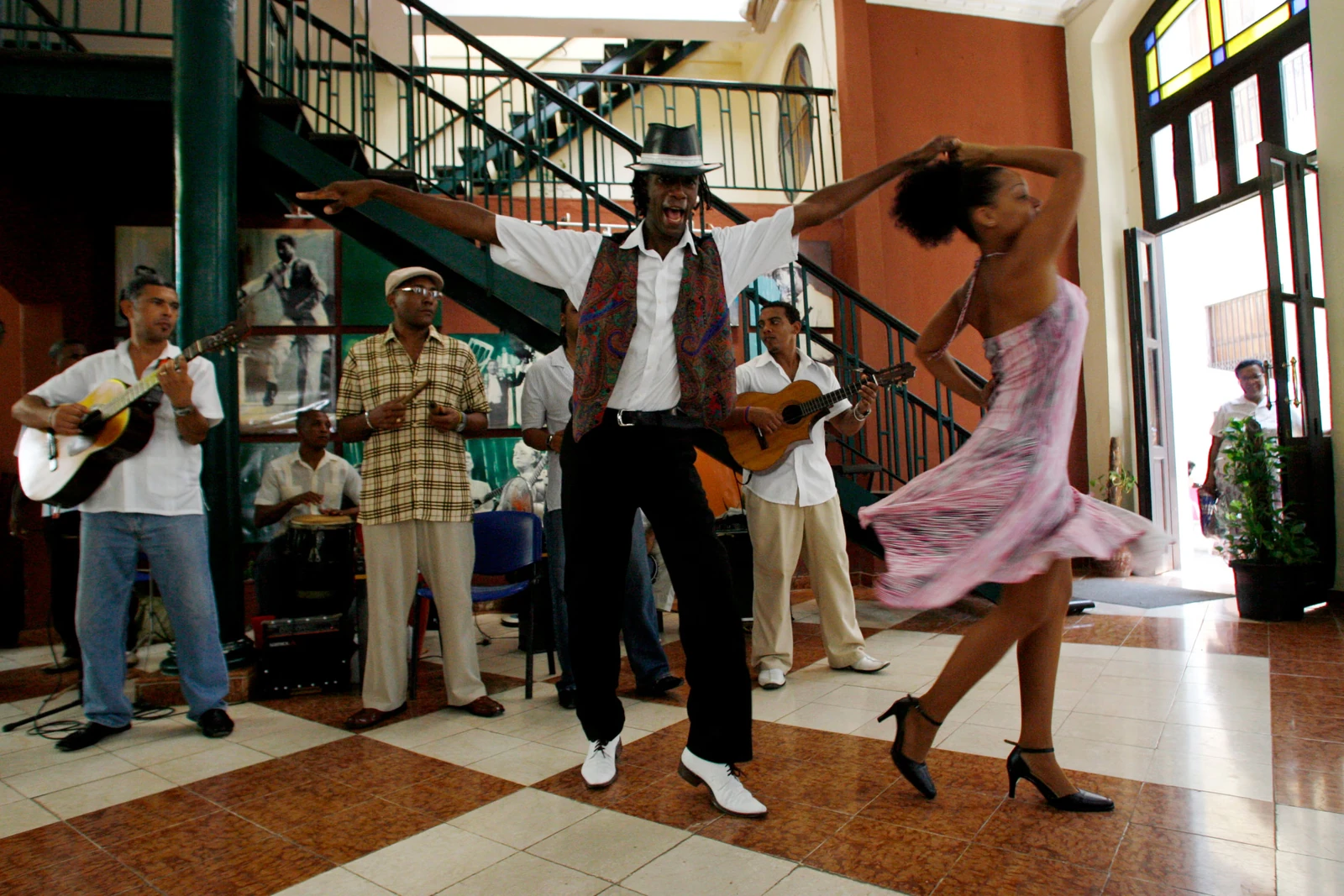
Bolero
Pepe Sánchez's Tristezas belongs to the early story of Cuban bolero and Santiago's trova tradition. Guitars, serenades, radio and recordings carried the songs further. Co
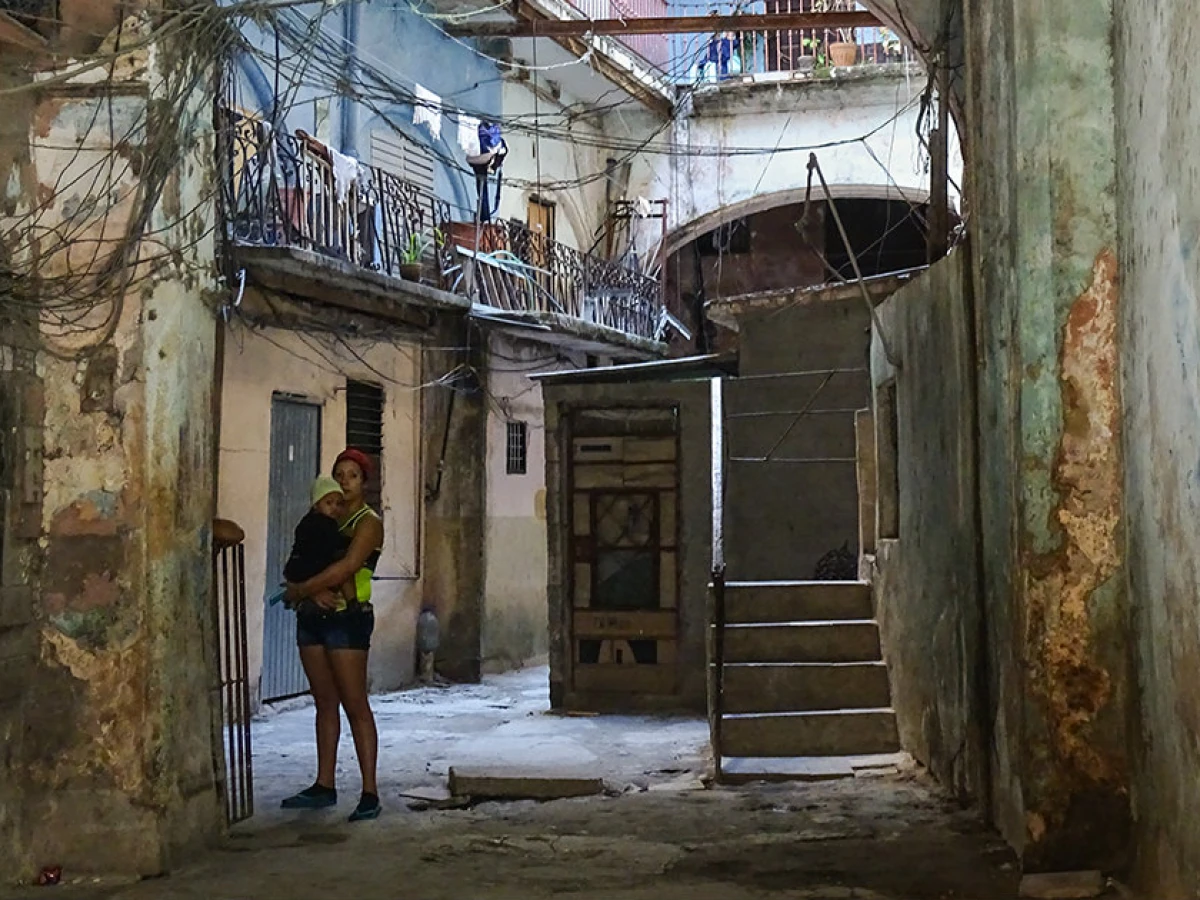
El solar cubano
Behind a Havana façade, a solar can contain several homes around a shared patio. Converted houses and purpose-built housing brought families into common corridors, kitche

La guayabera
The guayabera's four pockets and alforzas make it easy to recognise, but its history is less tidy. Sancti Spíritus, military records, Havana's urban wardrobe and Mexican

La pelota
A Habana–Matanzas game at Palmar de Junco in 1874 became a landmark in Cuban baseball history. The league followed in 1878, while Cuban players were already crossing to t
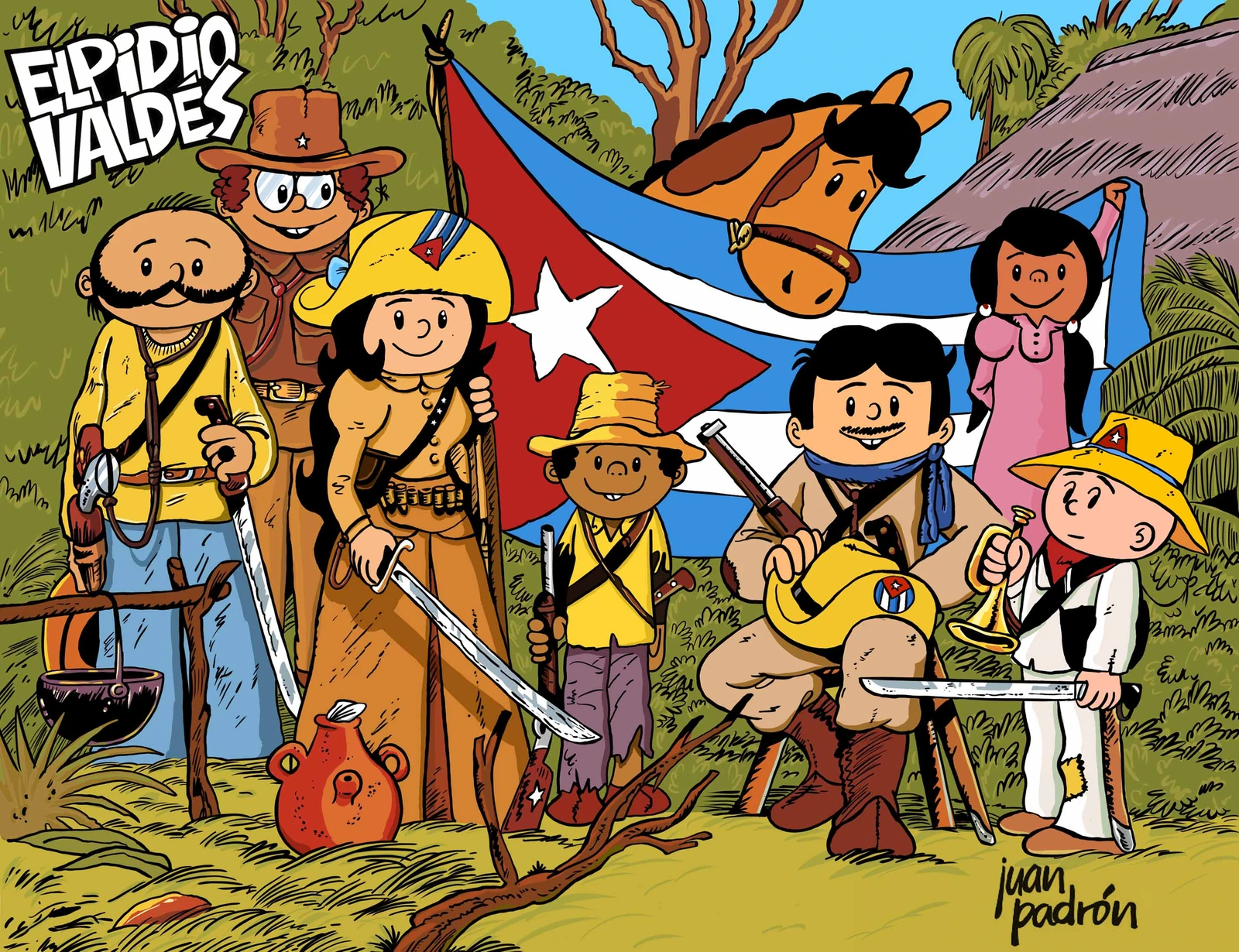
Elpidio Valdés
Elpidio's world has a cavalry horse called Palmiche, the combative María Silvia and a colonial officer named Resóplez. Juan Padrón took his mambí from Pionero in 1970 to

3 Cuban Shows You Should Watch
Vivir del cuento, Tras la huella and Elpidio Valdés: three names to add to your Cuban watchlist.

Cuban views on Donald Trump
Watch a Cuban Spanish Academy short about Cuban support for Donald Trump, presented from a Cuban perspective.

Can you recognise this Cuban Spanish phrase?
A short video built around a phrase in Cuban Spanish. Watch the clip from Cuban Spanish Academy and see whether you recognise it.

Discover a Cuban Spanish expression
Watch this short video about a Cuban expression from Cuban Spanish Academy and explore the Spanish spoken in Cuba.
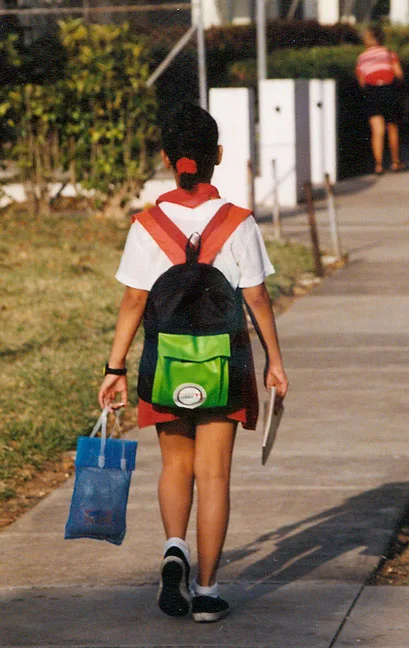
La Jabita de la Merienda
A Cuban school memory: the snack bag, family care, social differences and the ways children share what they have.
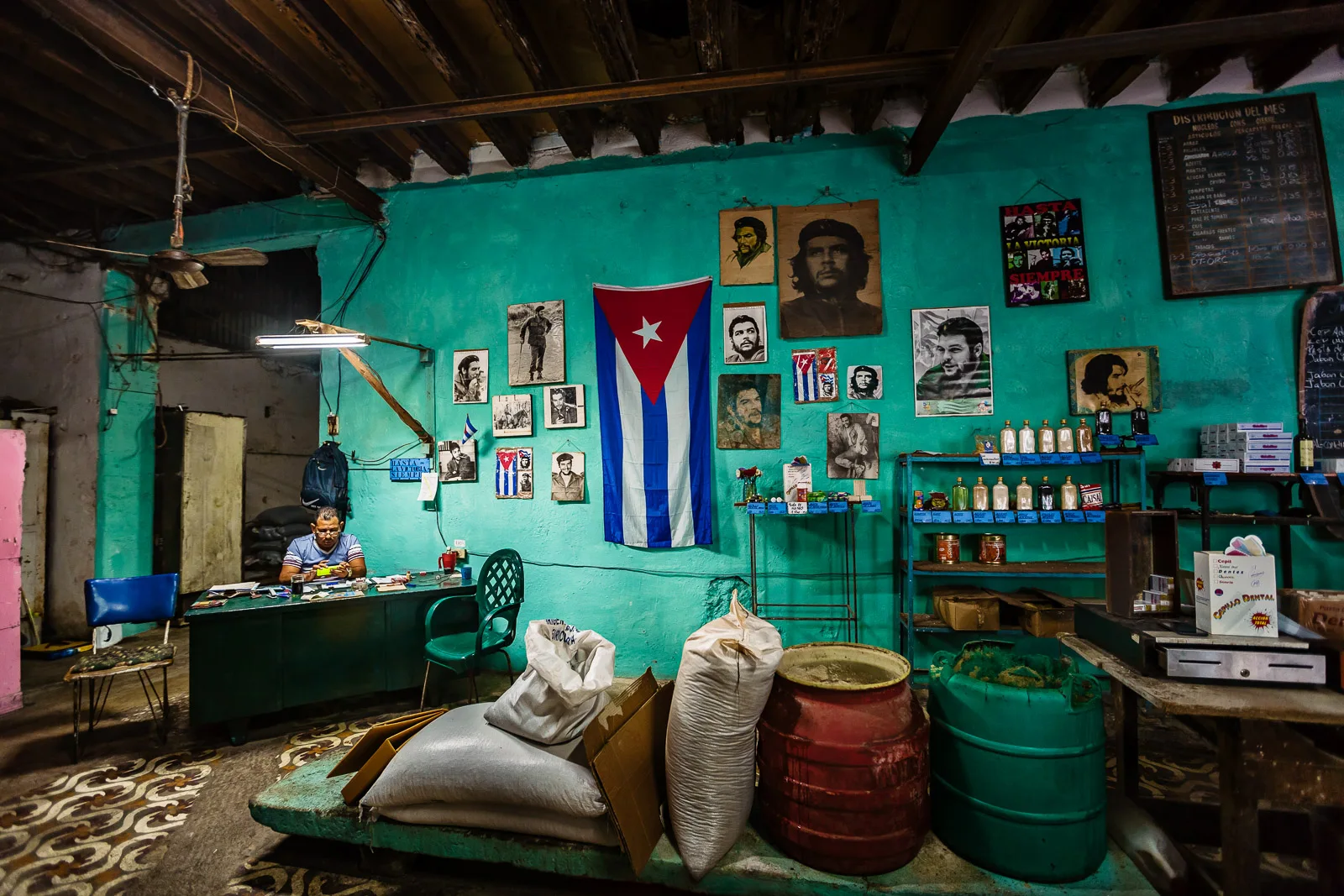
La Bodega
What is a bodega in Cuba? Explore rationing, neighborhood conversations, shortages and the familiar question: llegó el pollo?

Celia Cruz
Explore the voice, joy and exile of Celia Cruz through a Cuban teacher’s reflection on her music and cultural legacy.

Las Parrandas
Remedios’ parrandas: illuminated floats, neighborhood rivalry and memories of Cuban celebrations.
The Cuban Vitrina
The Cuban vitrina: glasses for guests, ornaments and family history behind a familiar piece of Cuban home life, told with humor.
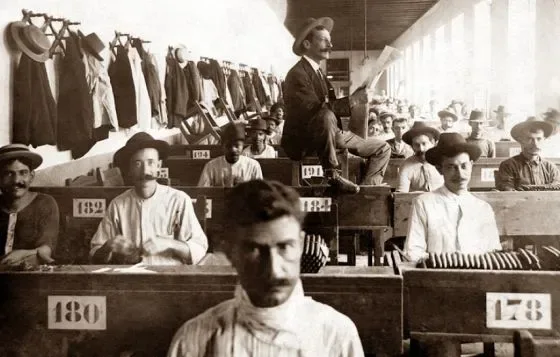
The Cigar Factory Reader (Lector de tabaquería)
Discover the Cuban lector de tabaquería: a tradition of reading novels and newspapers aloud while tobacco workers make cigars.
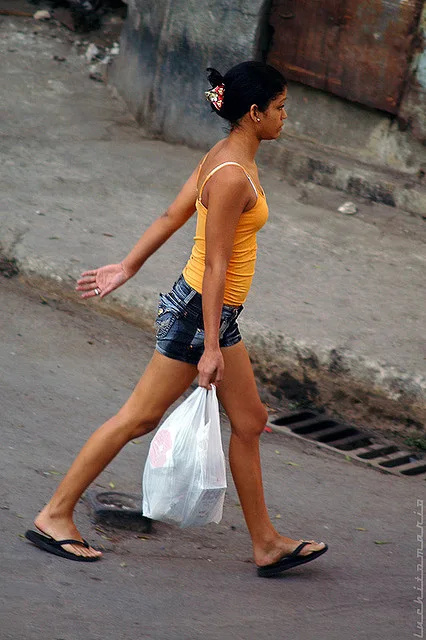
La Jaba — Cuban Slang
What does jaba mean in Cuban Spanish? Learn the everyday word for a shopping bag, with meanings, examples and Cuban context.

“Está En Candela” — Cuban Spanish for Everything Is on Fire
What does está en candela mean in Cuban Spanish? Learn how context and tone turn fire into difficulty, chaos or admiration.
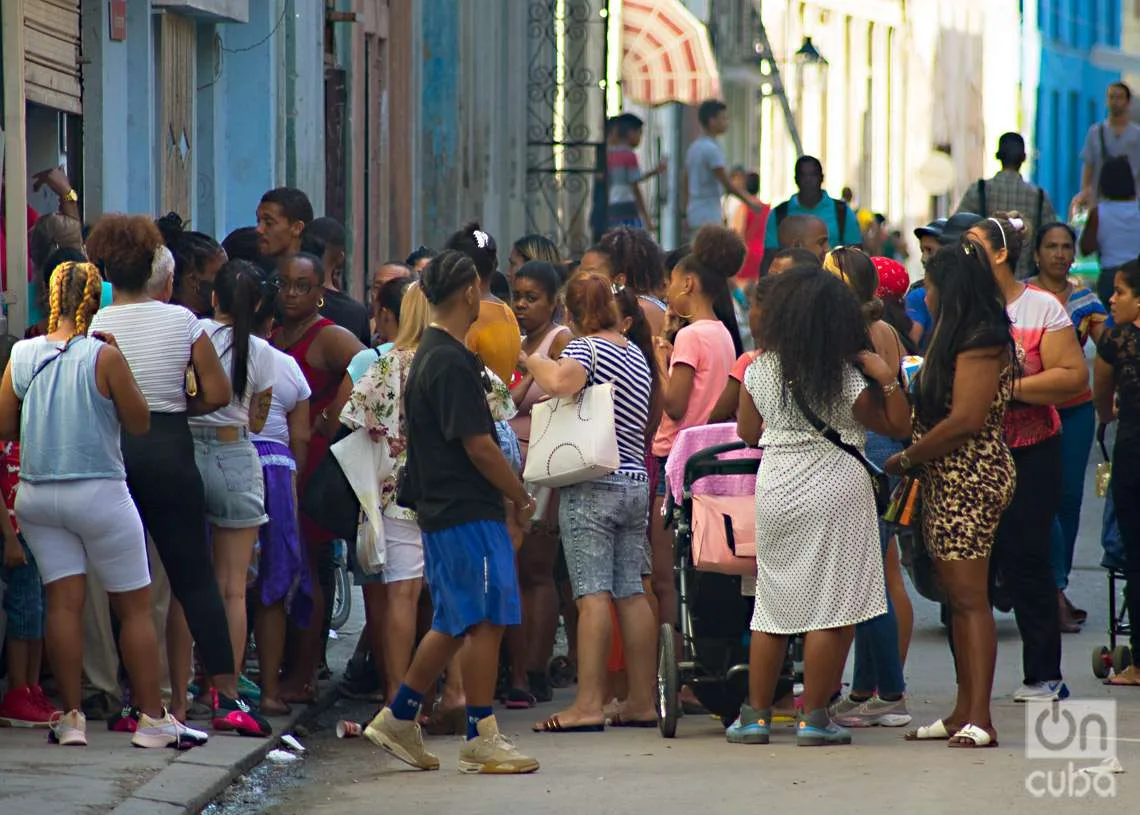
The Cuban Queue Has Its Own Constitution
Quién es el último? Discover the unwritten rules of a Cuban queue and the conversations that make a cola work.

Do you know this Cuban word?
A Cuban word is the focus of this short from Cuban Spanish Academy. Watch the clip and explore Cuban Spanish vocabulary.
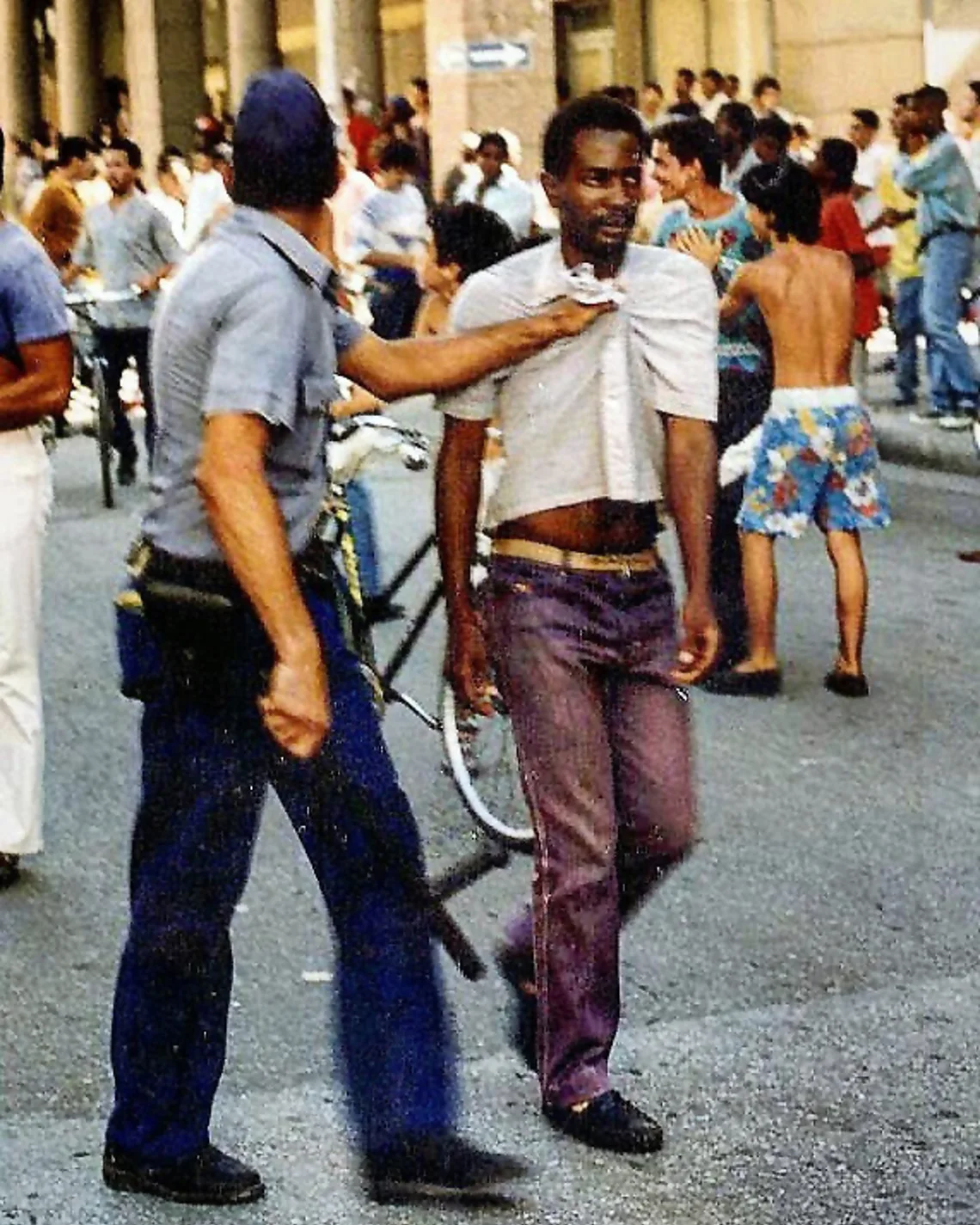
The Maleconazo
The Maleconazo of August 1994: a reflection on the protests, repression and balsero exodus in Cuban history.
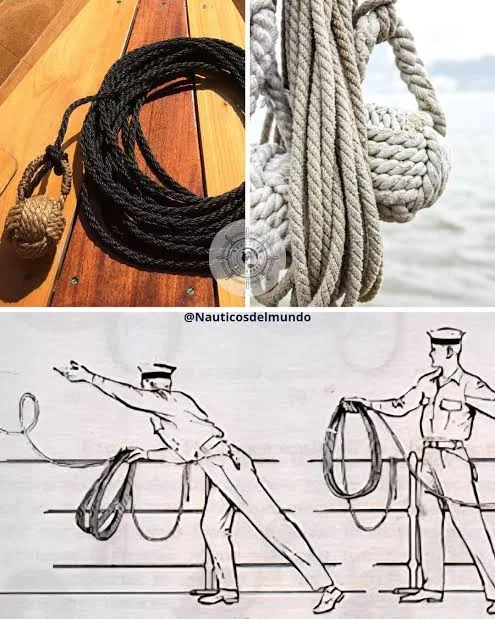
Tirar un Cabo — Cuban Slang
What does tirar un cabo mean in Cuban Spanish? Learn this everyday way to ask for help, with examples and context.

On Amelia Peláez
Explore fruit bowls, colored glass and interlocking shapes in Amelia Peláez’s paintings of Cuban domestic life.

Camagüey: The Jarred City
Camagüey’s tinajones: discover the clay jars, courtyard houses and everyday history behind this Cuban city’s most familiar symbol.
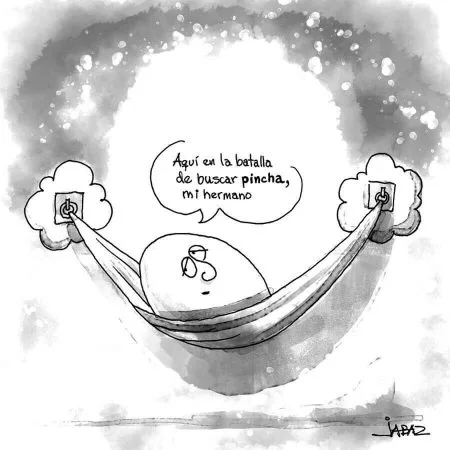
Pinchar - Cuban Slang
Learn pinchar and pincha: Cuban Spanish for work. Understand en qué tú pinchas and other everyday examples.
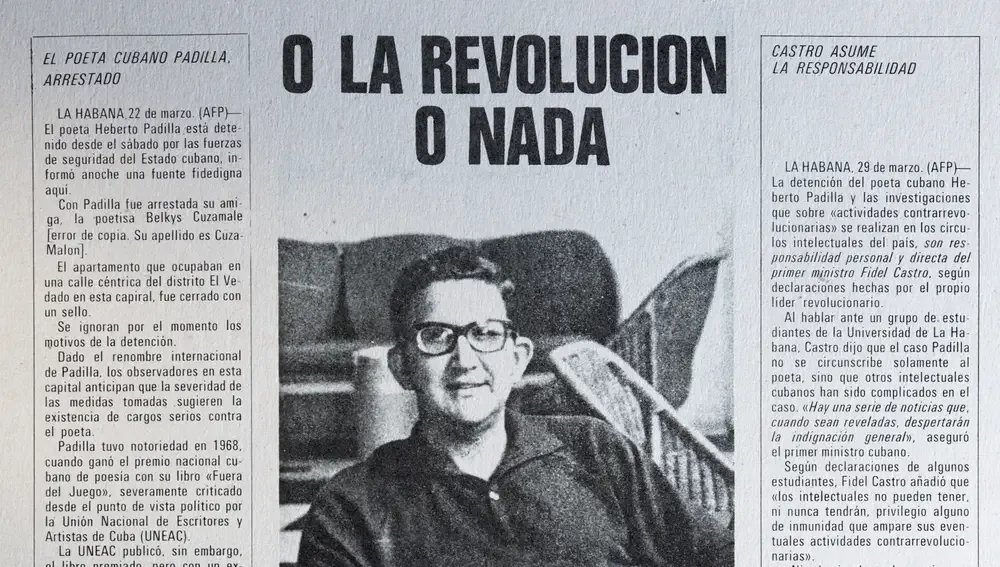
Heberto Padilla: a poet, a confession, and Castro’s idea of freedom
Explore the Padilla affair and a Cuban teacher’s perspective on writing, public confession and freedom of expression.
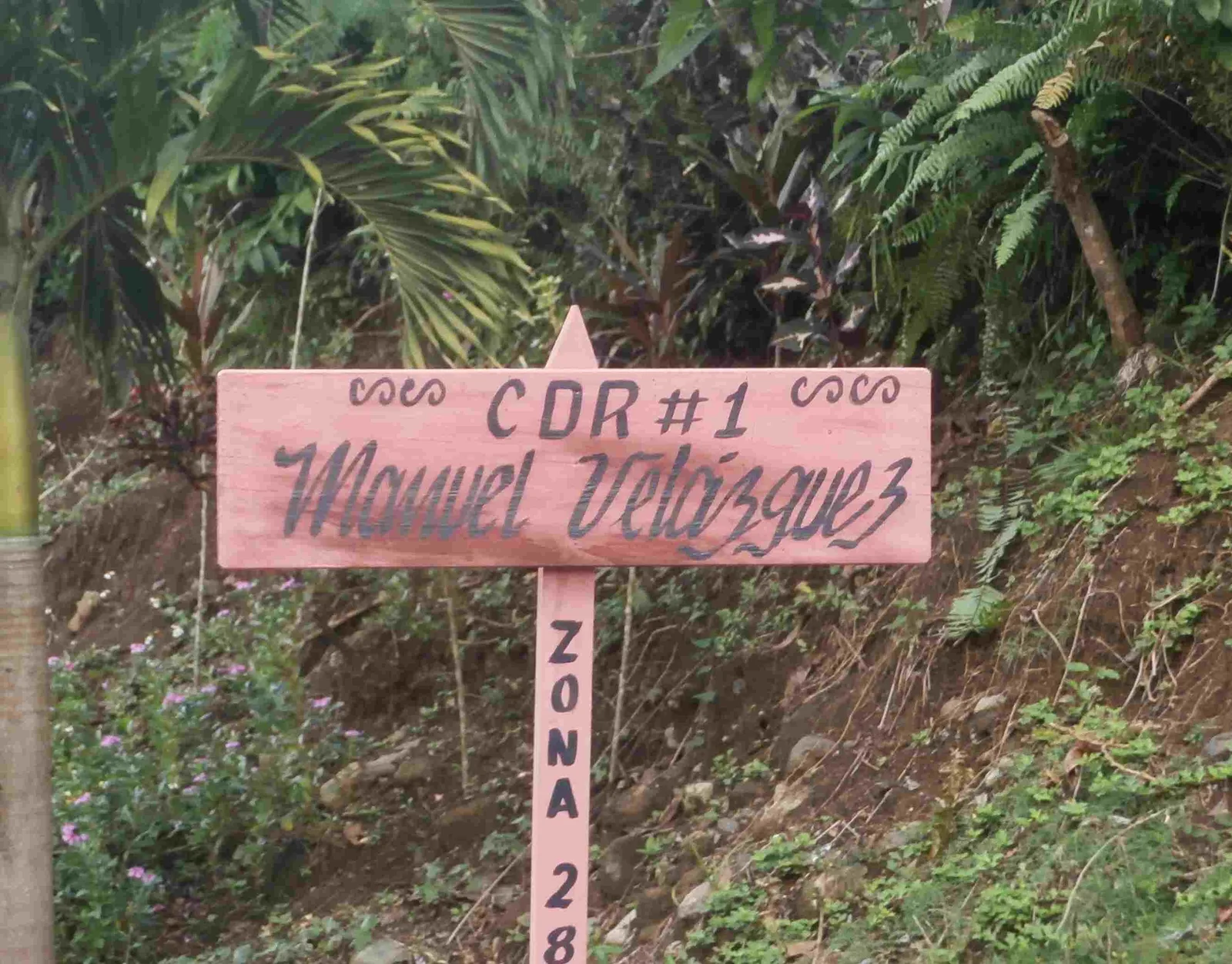
The CDR: when the government lives on your block
Cuba’s CDR, surveillance and political control: a reflection on their effects on everyday relationships in Cuban neighborhoods.
Cuban Spanish Short
Watch this original short video from the verified Cuban Spanish Academy channel.

Cuban Spanish Short
Watch this original short video from the verified Cuban Spanish Academy channel.

Three ways to say friend in Cuban Spanish
Discover three ways to say friend in Cuban Spanish in this short video from Cuban Spanish Academy about Cuban vocabulary.

How to say very in Cuban Spanish: muy and mucho
Watch a short Cuban Spanish Academy video about expressing very in Cuban Spanish, with muy and mucho as the starting point.

What does it really mean to be a doctor in Cuba?
A Cuban teacher’s reflection on doctors, salaries, resources and the conditions of medical work in Cuba.
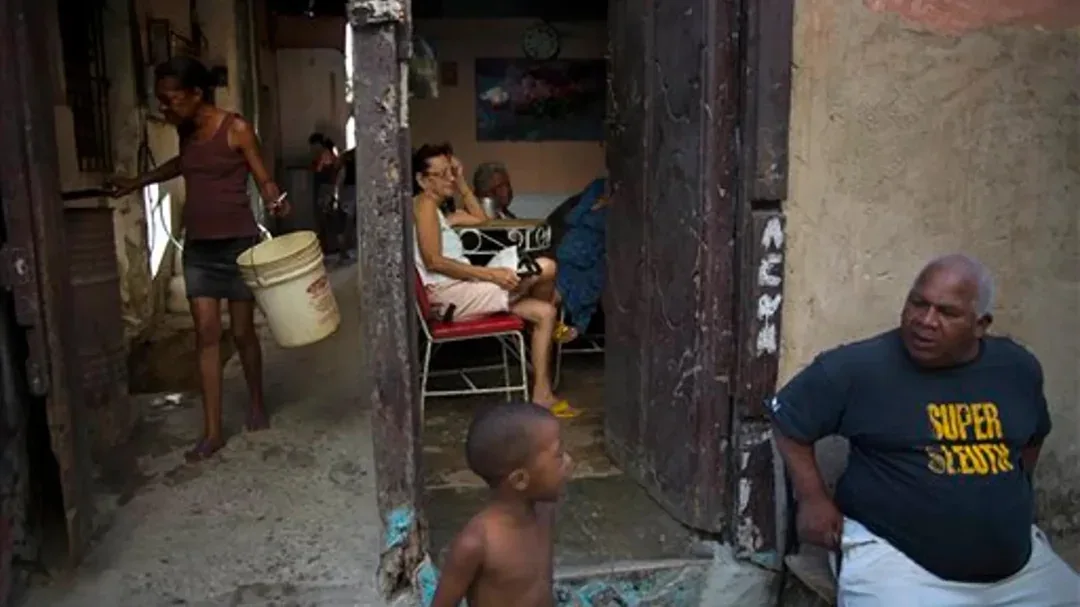
In Cuba several generations live in the same house
Explore housing shortages and the experience of grandparents, parents and children sharing one home in Cuba.
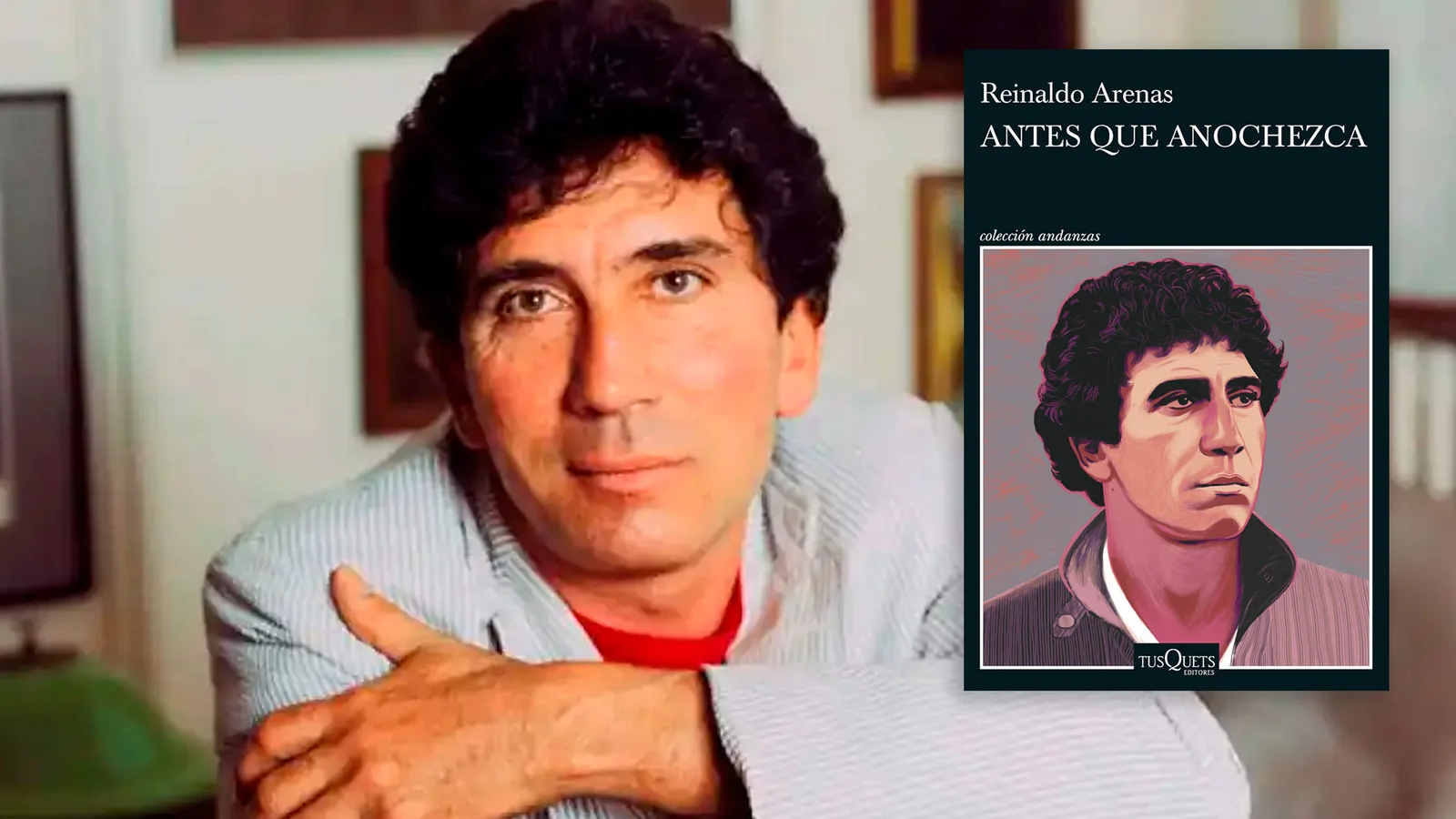
Reinaldo Arenas and being homosexual in Cuba
Reinaldo Arenas and life in Cuba: a reflection on literature, persecution, exile and freedom of expression.
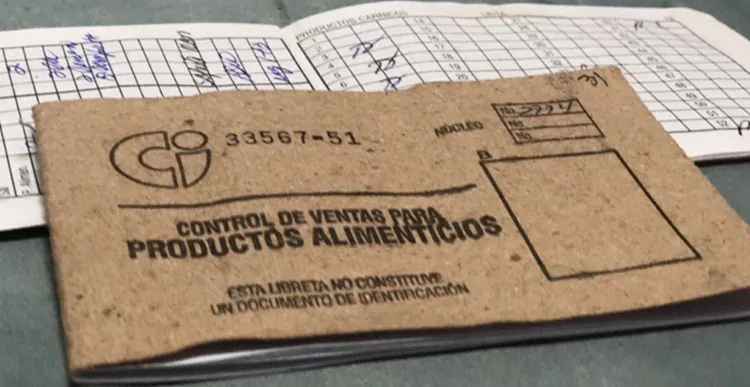
How does Cuba’s ration book actually work?
Understand Cuba’s libreta de abastecimiento and a native teacher’s perspective on rationing, shortages and everyday food supplies.
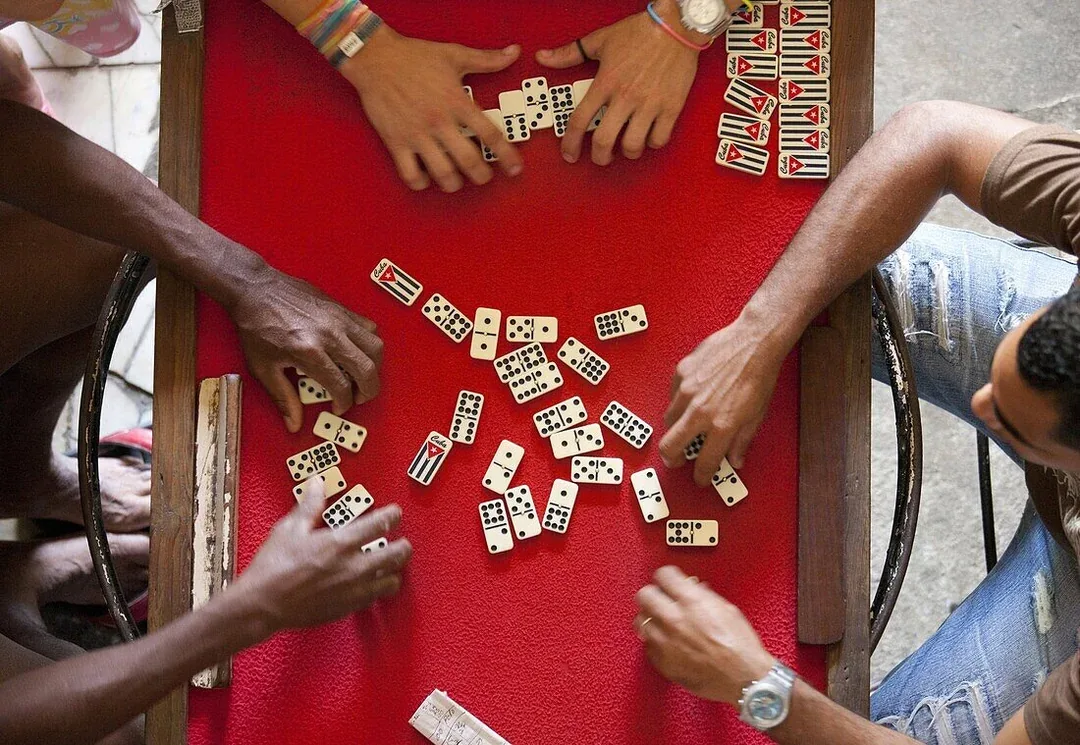
Dominoes! The real Cuban national sport
Cuban dominoes: discover the double-nine set, family conversations and the everyday traditions around the table.

The Cuban Spanish of Cuban grandmothers
Explore the Cuban Spanish of Cuban grandmothers in this short video from Cuban Spanish Academy about language and Cuban culture.

Flirting in Cuban Spanish
A short video about flirting in Cuban Spanish from Cuban Spanish Academy. Explore this side of Cuban language and culture in the clip.
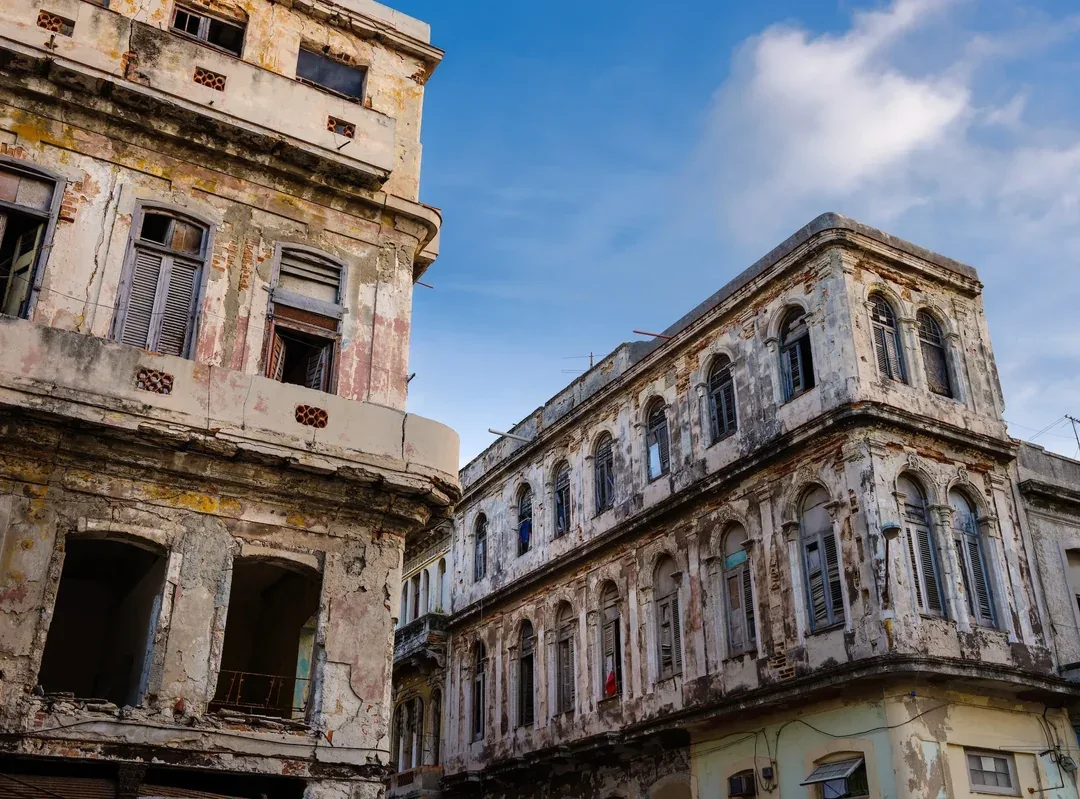
Why is every building deteriorating in Cuba?
A reflection on maintenance, building materials, investment and the deterioration of Havana’s buildings.
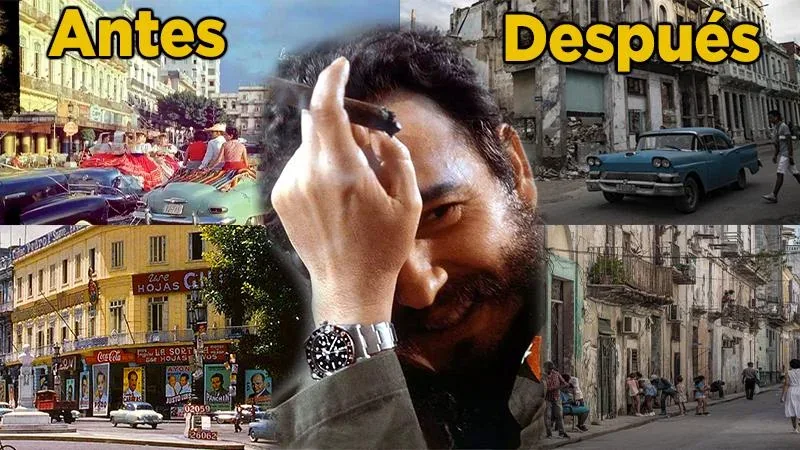
How was Cuba before 1959?
Cuba before 1959: a reflection on inequality, political changes and the effects of the Revolution on everyday life.
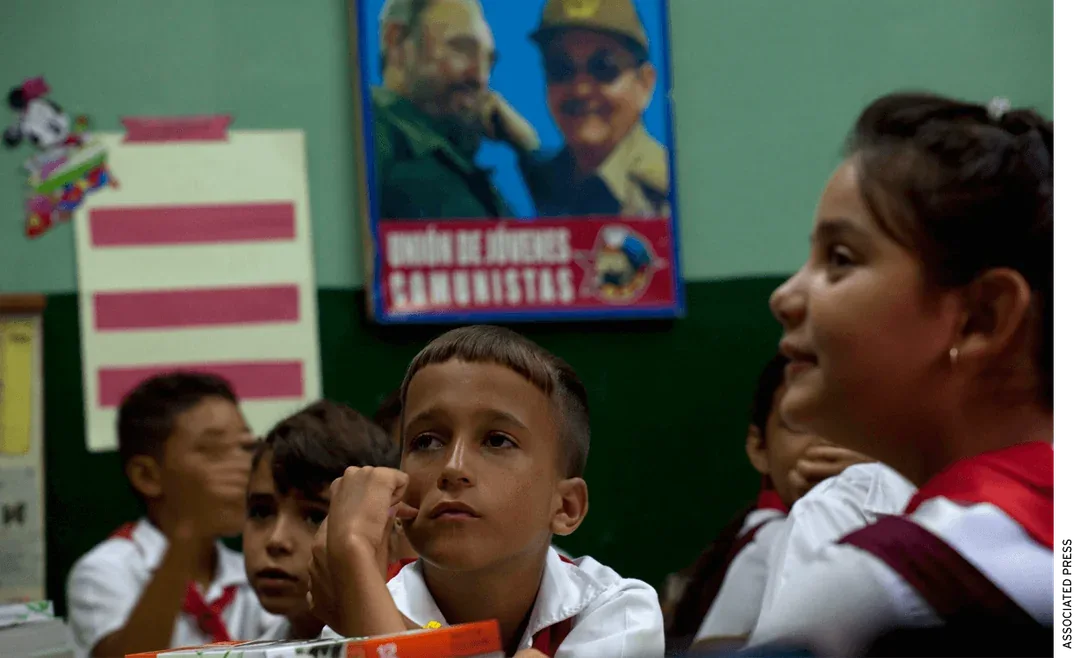
How does Cuba’s public education system work?
Cuba’s public education system: a firsthand account of school conditions, teaching materials and political pressure.

Cafecito: Cuban coffee and Cuban Spanish
Cuban coffee meets Cuban Spanish in this cafecito short from Cuban Spanish Academy. Watch the clip about coffee and Cuban language.
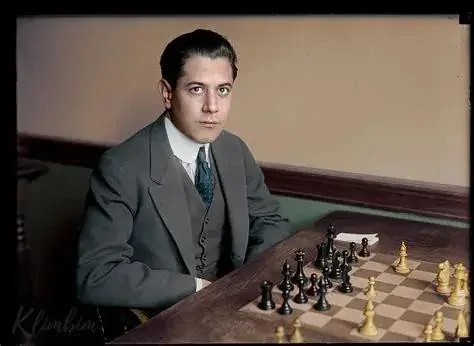
Why Is Chess So Popular in Cuba?
Chess in Cuba: Capablanca, school chess and childhood memories of one of the island’s best-known games.
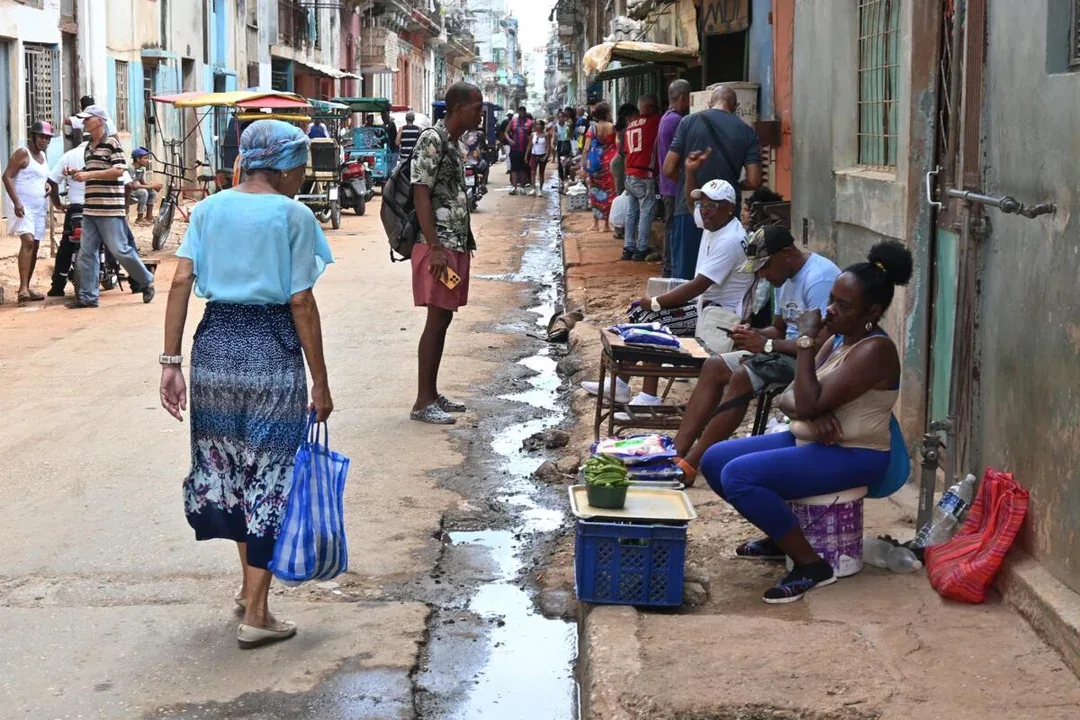
Full-time job? Here, your $15 USD of the month
Cuban state salaries, basic necessities and the informal economy: a reflection on everyday life. Figures reflect the article’s context.
Three foods to try in Cuba
Discover three foods to try in Cuba in this short video from Cuban Spanish Academy, exploring Cuban food as part of Cuban culture.

An expression often used in Cuba
Watch a short Cuban Spanish Academy video about an expression often used in Cuba and explore Cuban Spanish through the clip.

A Cuban way to say you are in love
Explore a Cuban way of saying you are in love in this short video from Cuban Spanish Academy about Cuban Spanish expressions.

Ño: expressing surprise in Cuban Spanish
Discover ño as a way of expressing surprise in Cuban Spanish. Watch this short Cuban Spanish Academy video about the Cuban expression.

Three famous Cuban songs
Listen to a short video about three famous Cuban songs from Cuban Spanish Academy and explore music as part of Cuban culture.

Three Cuban Spanish expressions
Explore three Cuban Spanish expressions in this short video from Cuban Spanish Academy, focused on the language used in Cuba.

Famous Cuban films: part two
Discover famous Cuban films in part two of this short Cuban Spanish Academy series about Cuban cinema and Cuban culture.
Le ronca el mango: a Cuban Spanish expression
Explore the Cuban phrase le ronca el mango in this short video from Cuban Spanish Academy, dedicated to expressions used in Cuba.

Discover Cuban films
Watch a short Cuban Spanish Academy video about Cuban films and explore cinema as one way to discover the culture of Cuba.

A view of Cuban Spanish: 22 June 2026
Watch the Cuban Spanish Academy short published on 22 June 2026, sharing a perspective on Cuban Spanish as a variety of Spanish.

Get to know a Cuban phrase
Explore a Cuban phrase in this short Cuban Spanish Academy video about Cuban Spanish, with the full clip available to watch here.

Cuban words to know before visiting Cuba
Explore Cuban words for a visit to Cuba in this short video from Cuban Spanish Academy about the Spanish used on the island.
Can you understand two Cubans talking?
Listen to two Cubans talking in this short Cuban Spanish Academy video and see how much of their Cuban Spanish conversation you understand.

A view of Cuban Spanish: 11 June 2026
Watch the Cuban Spanish Academy short published on 11 June 2026, presenting a perspective on the Cuban variety of Spanish.

Human rights in Cuba: a Cuban perspective
Watch a Cuban Spanish Academy video about human rights in Cuba. Its original description includes references to human rights reports and organisations.

A Cuban meme about communism
Watch this short from Cuban Spanish Academy, presented with Cuban meme and communism tags in its original public description.

Understanding a Cuban song: listening clip two
Listen to a Cuban song in this second short published on 9 June 2026 by Cuban Spanish Academy and see how much you understand.

Understanding a Cuban song: listening clip one
Listen to a Cuban song in this first short published on 9 June 2026 by Cuban Spanish Academy and see how much you understand.

Three Cuban words to discover
Discover three Cuban words in this short video from Cuban Spanish Academy, focused on vocabulary used in Cuban Spanish.

Cuban Spanish Academy: official trailer
Watch the official trailer for Cuban Spanish Academy. Discover the academy through its presentation video and visit the official website.
Cuban Spanish for Travelers: What You Need Before Going to Cuba
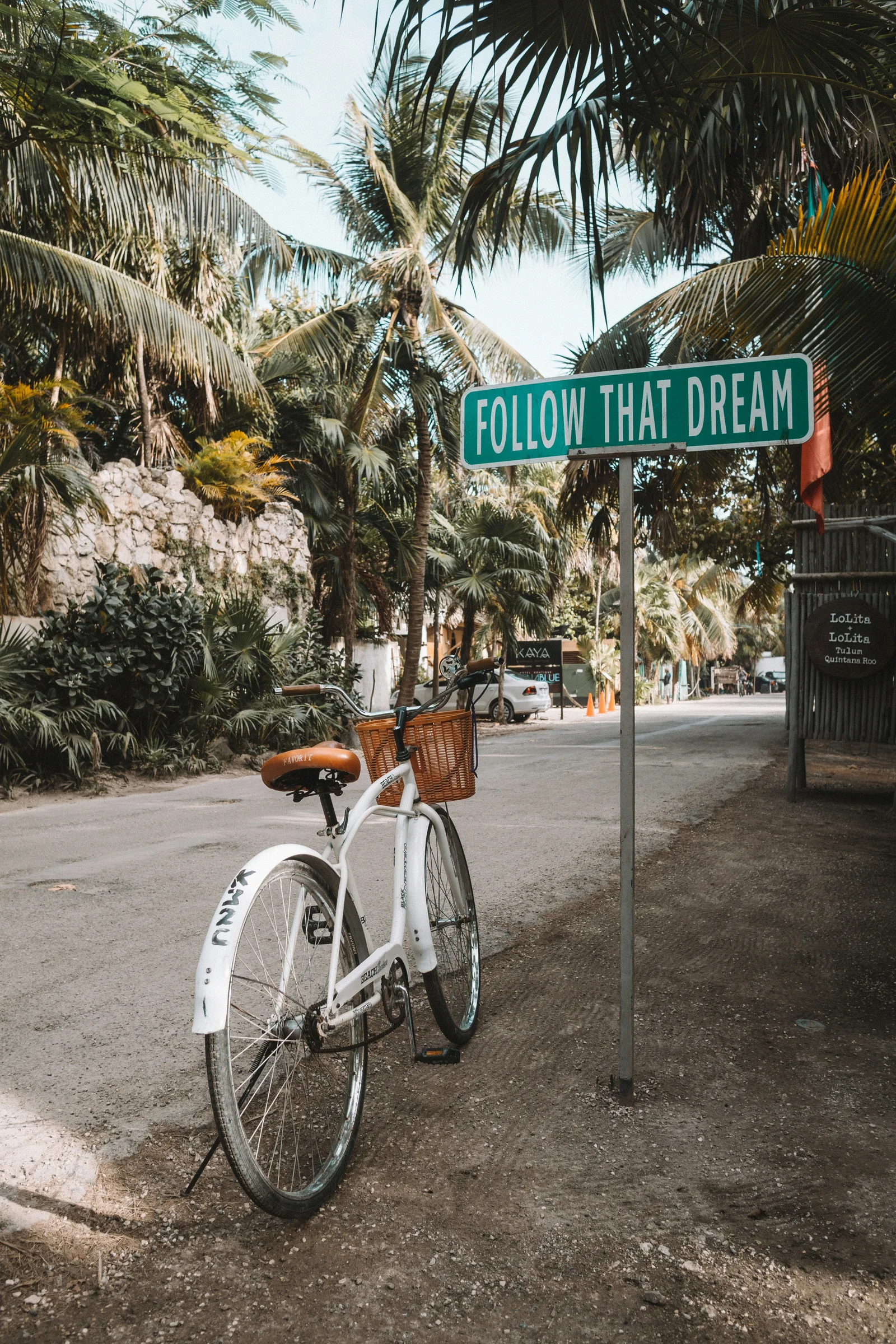
Cuban Spanish for travelers: prepare for greetings, taxis, food and everyday slang, with listening tips, tone and cultural context.

This is Cuba: a reaction in Spanish
Watch a Spanish-language video about the reality of Cuba, reacting to a video by PatoBonatoSinBozal, from Cuban Spanish Academy.

Life in Cuba in 2026: a Cuban explanation
Watch a Cuban explain life in Cuba in 2026 in this Cuban Spanish Academy video, presented as part of the Cuban Politics Course.

Cuban Spanish classes with a native tutor: 2026
Watch a Cuban Spanish Academy video about Cuban Spanish classes with a native tutor, published in 2026 and linked to the academy's learning community.
The Cuban Spanish accent in natural conversation
Explore the Cuban Spanish accent through natural conversation in this Cuban Spanish Academy video about the Spanish spoken in Cuba.
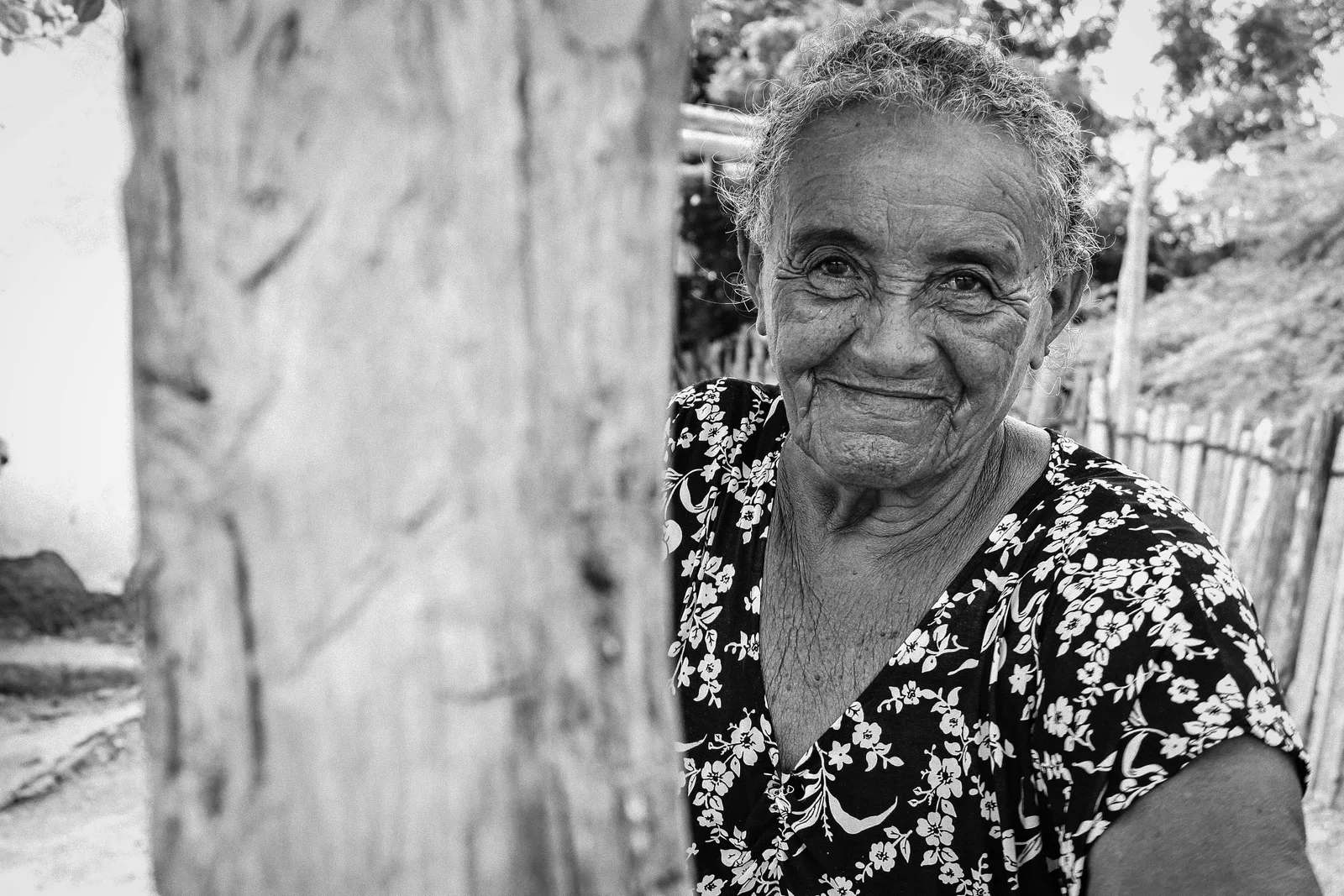
10 Cuban Words Your Grandma Always Says
Learn alabao, tarecos, patatús and other words your Cuban grandma says. Discover their meanings, examples and family context.
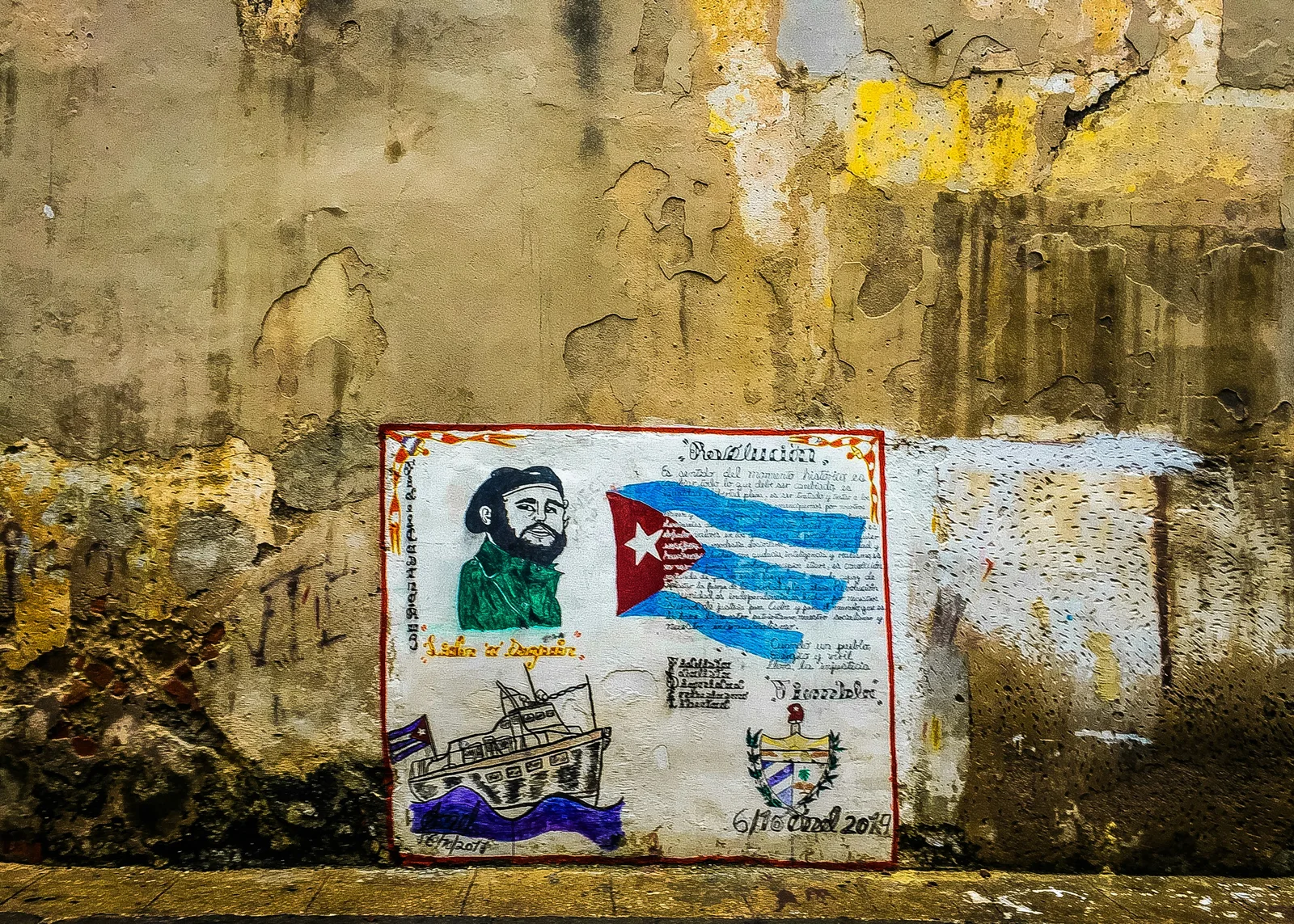
The secrets of the Cuban dictatorship
Information control, propaganda and the mechanisms that sustain the Cuban regime: an analysis from a Cuban perspective.
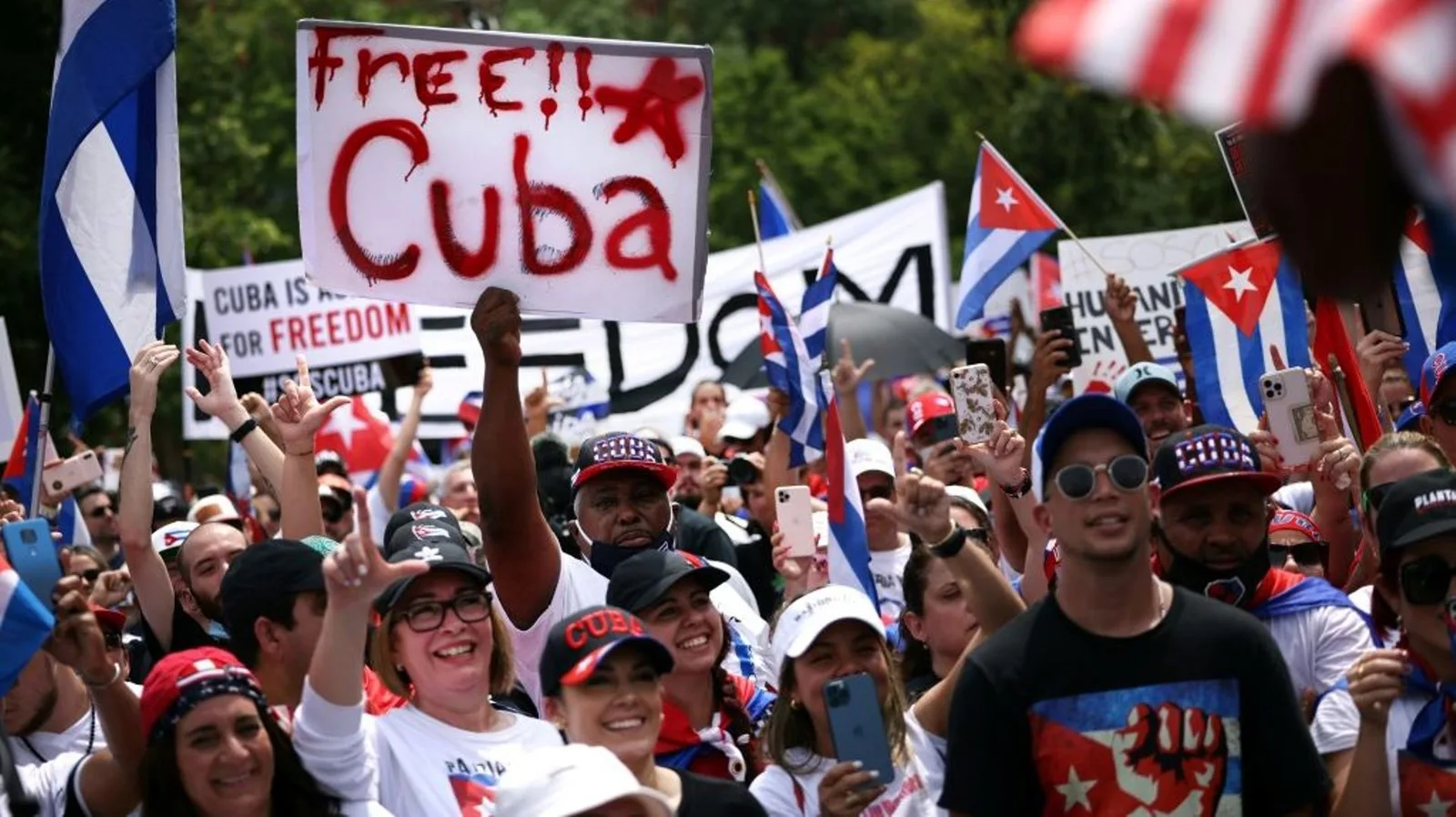
Reflections on a Cuba Left Behind: The Pain of the Cuban Diaspora
A Cuban teacher reflects on exile, family separation, memory and the connection between generations of the Cuban diaspora.

Why you should watch Fresa y Chocolate, the famous Cuban film
Fresa y Chocolate: explore the film’s characters and the Cuban context of friendship, identity and freedom.
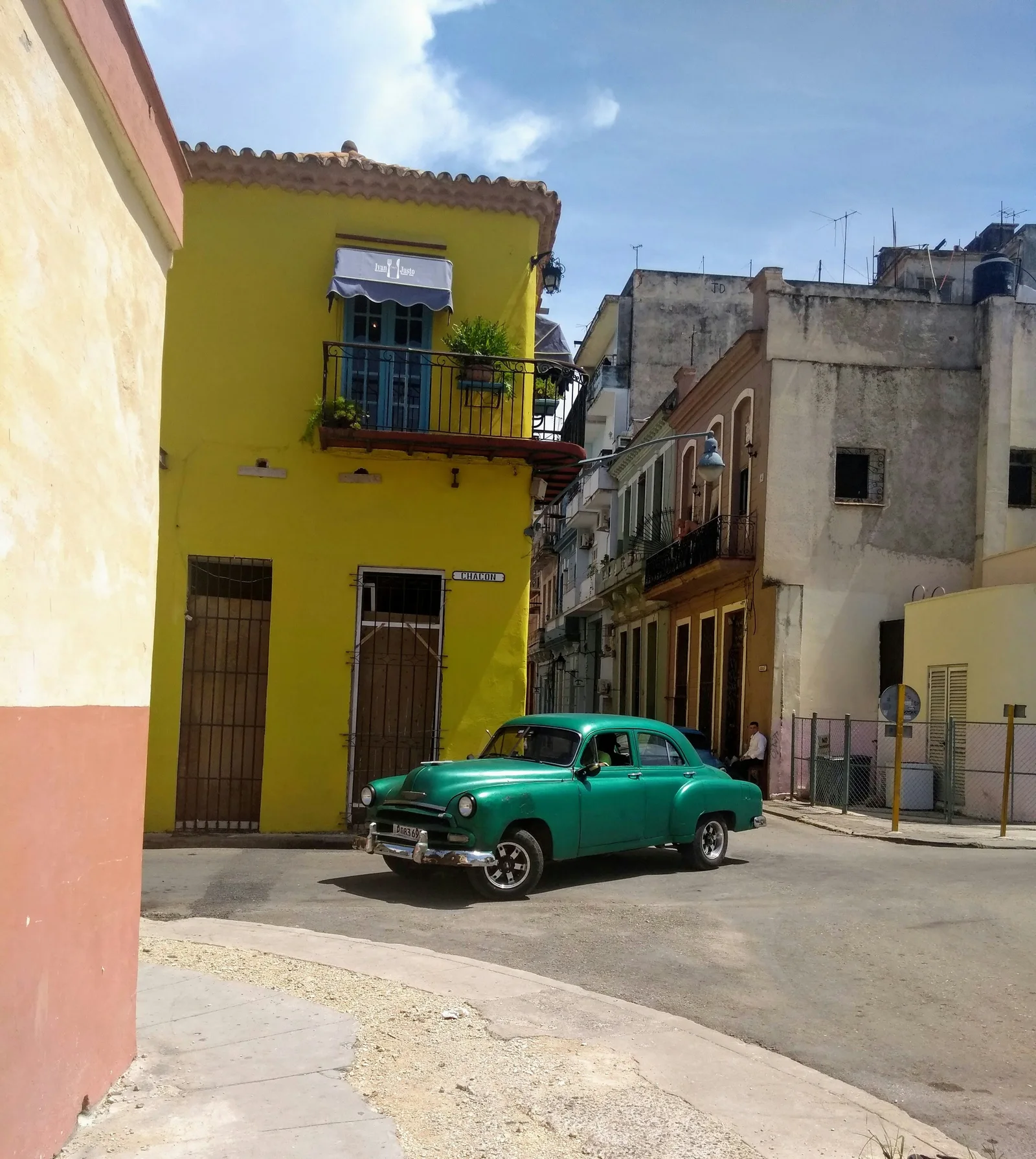
The Pros and Cons of Visiting Cuba Under a Dictatorship
Visiting Cuba under a dictatorship: culture, history and practical challenges in an archived perspective on travel to the island.
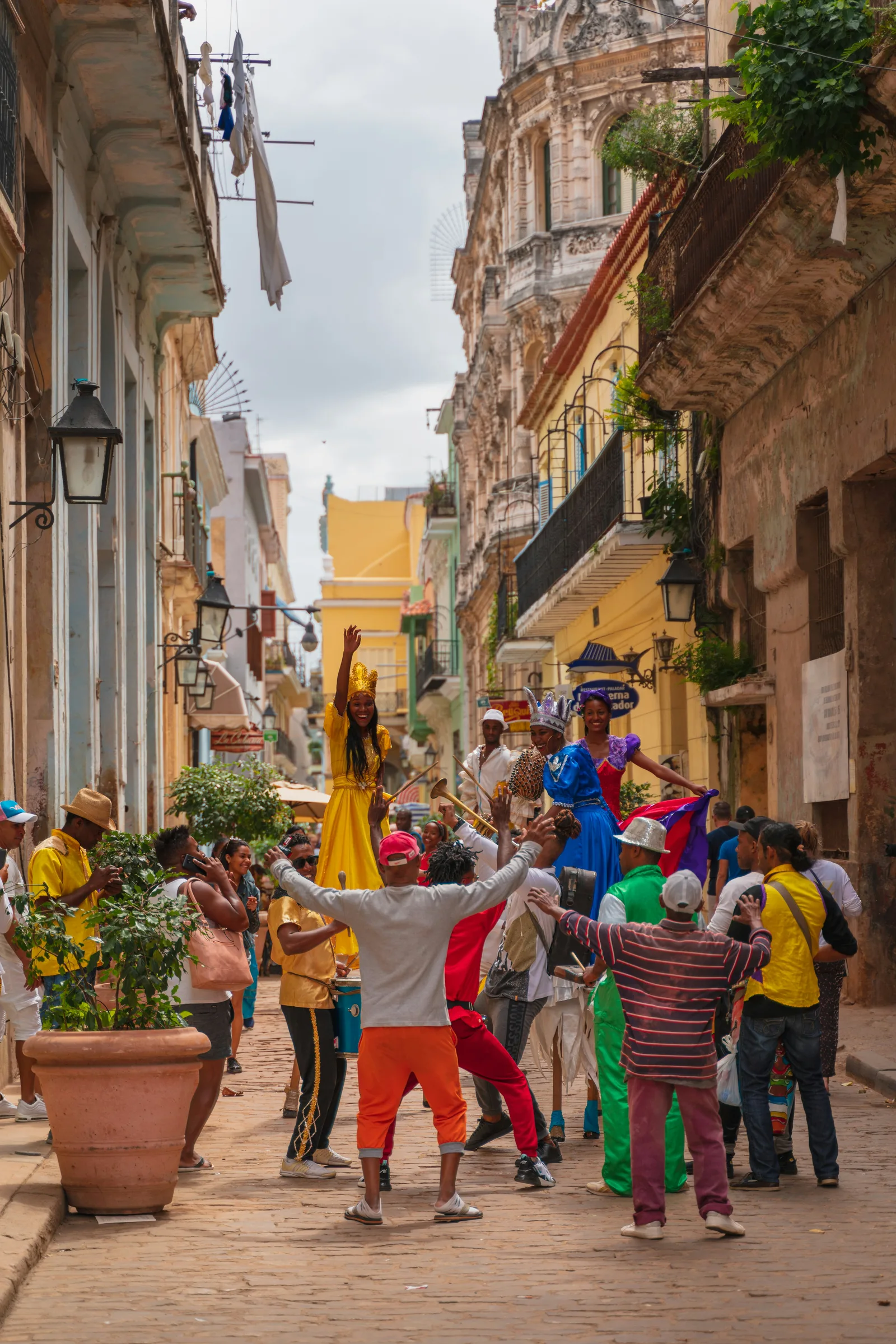
10 Compelling Reasons to Learn Cuban Spanish in 2026
Explore how learning Cuban Spanish connects language, family, cultural understanding and personal interests beyond a textbook.
10 best places to visit in Cuba
Explore ten Cuban destinations, from Old Havana and Viñales to Baracoa and the cayos, with Cuban Spanish Academy.
Common Cuban Phrases
Learn common Cuban phrases, greetings and slang: qué bolá, asere, pinchar, tirar un cabo and everyday expressions with meanings.
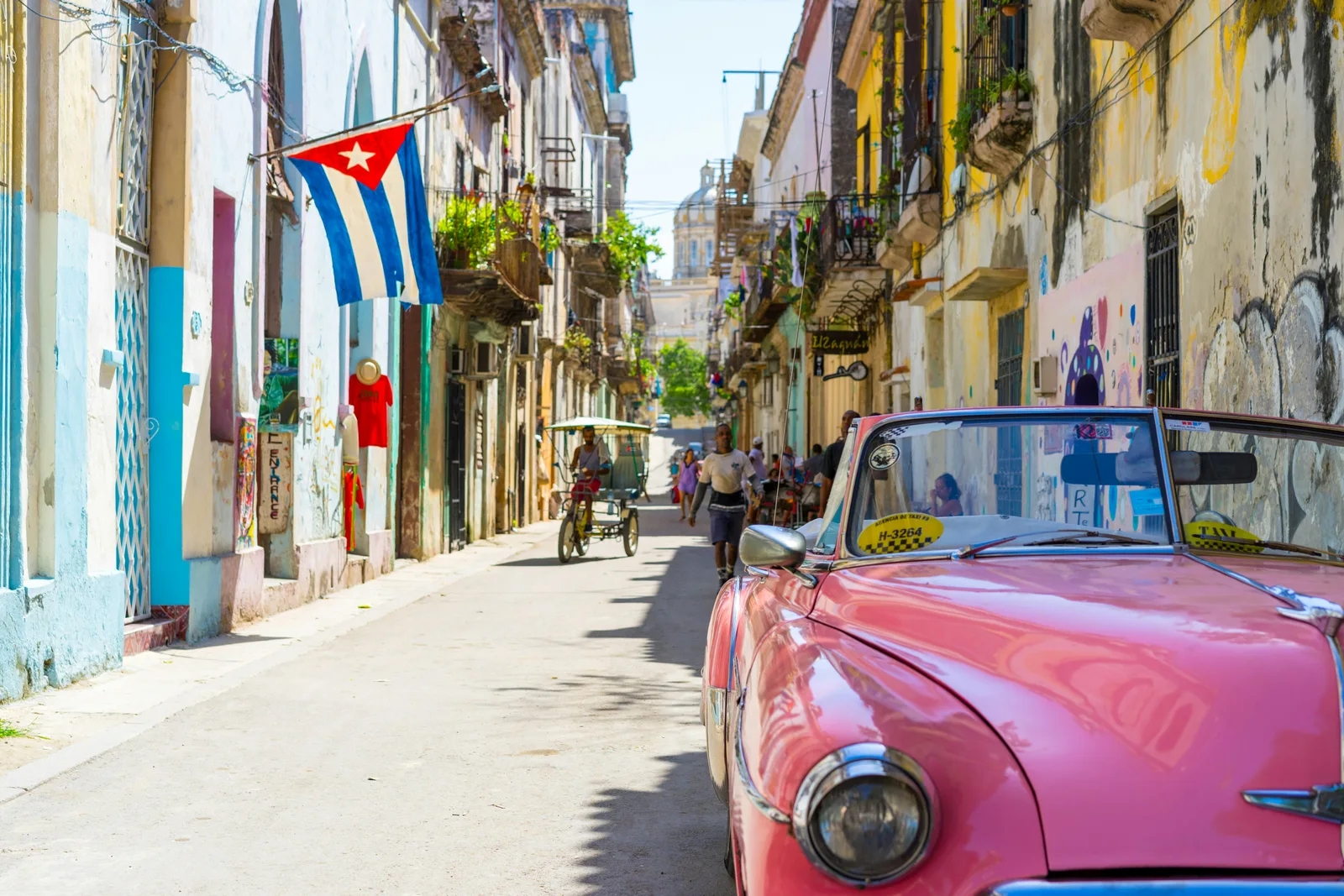
Where to Learn Cuban Spanish: Classes, Courses & Free Resources
Where to learn Cuban Spanish: compare online teachers, courses, conversation and free resources to choose a practical route for your goals.

10 best (and controversial) Cuban Films
Discover ten influential Cuban films, from De cierta manera to Memories of Underdevelopment. Explore Cuban cinema, culture and political commentary.
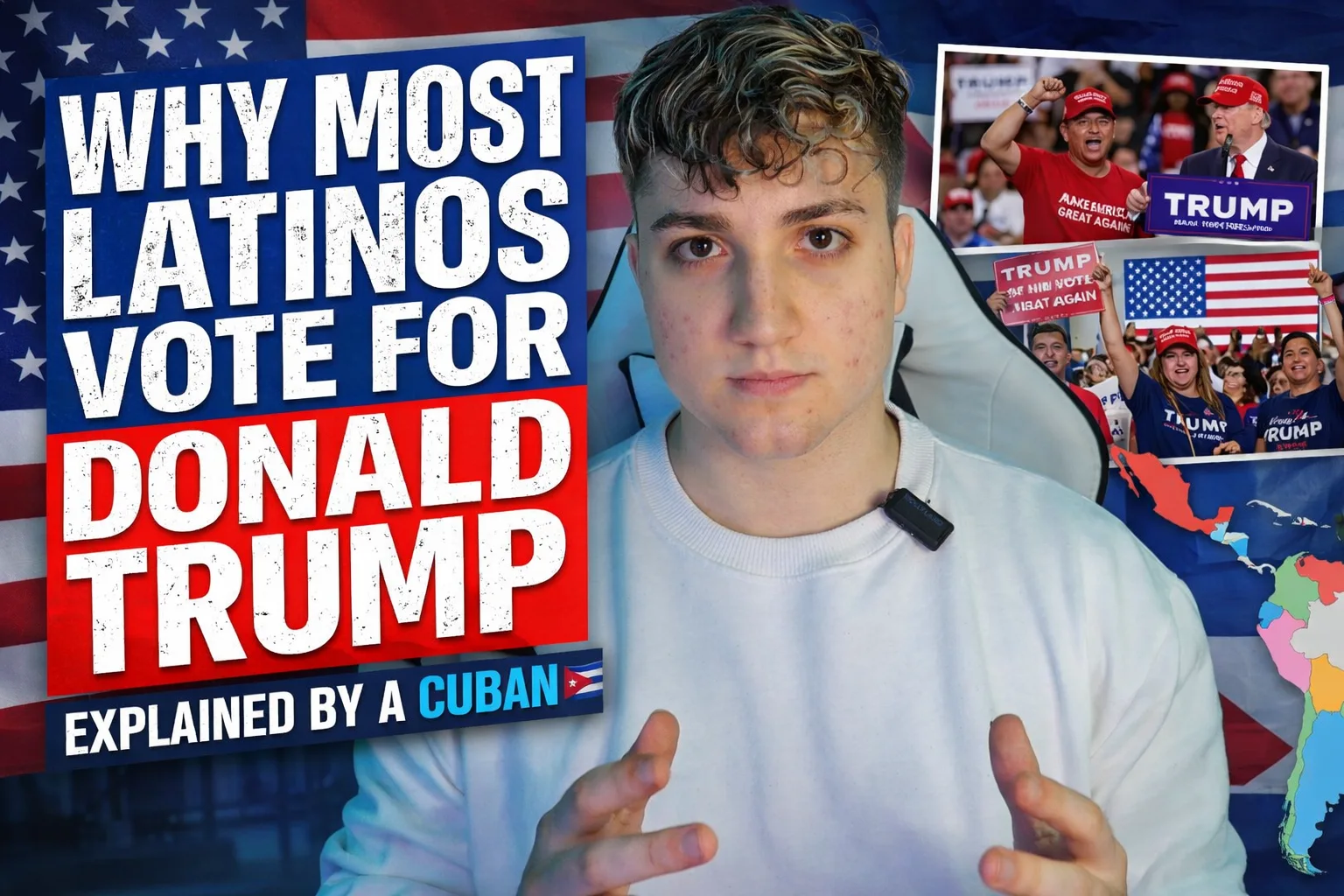
Why Cubans vote for Trump
Cuban American political preferences: a perspective on exile, attitudes toward the Cuban regime and support for Donald Trump.

Cuban Spanish phrases and slang explained
Watch a Cuban Spanish Academy video explaining Cuban Spanish phrases and slang. Explore the vocabulary and expressions of Spanish in Cuba.

A Cuban perspective on Latino support for Donald Trump
Watch a Cuban Spanish Academy video discussing why Latinos vote for Donald Trump, presented as an explanation from a Cuban perspective.

Cuban New Year traditions: food and culture in 2025
Explore Cuban New Year traditions, food and culture in this Cuban Spanish Academy video published in 2025 about celebrations in Cuba.

Christmas in Cuba in 2025: a Cuban perspective
Watch a Cuban Spanish Academy video reflecting on the reality of Christmas in Cuba in 2025, presented from a Cuban perspective.

Online one-to-one Cuban Spanish lessons
Watch a video about online one-to-one Cuban Spanish lessons. The original description links to the teacher’s profile on Preply.
Cuban Spanish Transport Vocabulary: Guagua, Máquina and Almendrón
Understand guagua, máquina, almendrón and botella in Cuba. Practise complete Spanish questions about destinations, stops and what a quoted fare covers.
Learn Cuban Spanish for real conversations
Learning Cuban Spanish means connecting the language you study with the voices, expressions and situations you actually encounter. A family story, a conversation with a Cuban friend or a reference in a song can give your learning a clear purpose. Cuban pronunciation and local vocabulary belong alongside the foundations of Spanish; you do not need to sound like someone else to make yourself understood.
Cuban Spanish Academy brings together explanations from the Cuban teacher, a native teacher from Camagüey, with cultural articles, videos and practice resources. Start with something you want to understand and choose a route that fits the support you need.
- How to learn Cuban Spanish: build a practical routine around listening, recall and conversation.
- Online Cuban Spanish classes: explore teacher support and understand the booking route.
- Resources to learn Cuban Spanish: choose free tools for a particular task.
If your priorities change, your route can change too. Return to a familiar recording, revisit an explanation or ask for feedback on a conversation that matters to you.
Your next conversation could sound a little more Cuban
Courses, culture, live classes and a community to practise with.