Start with the garment you actually want
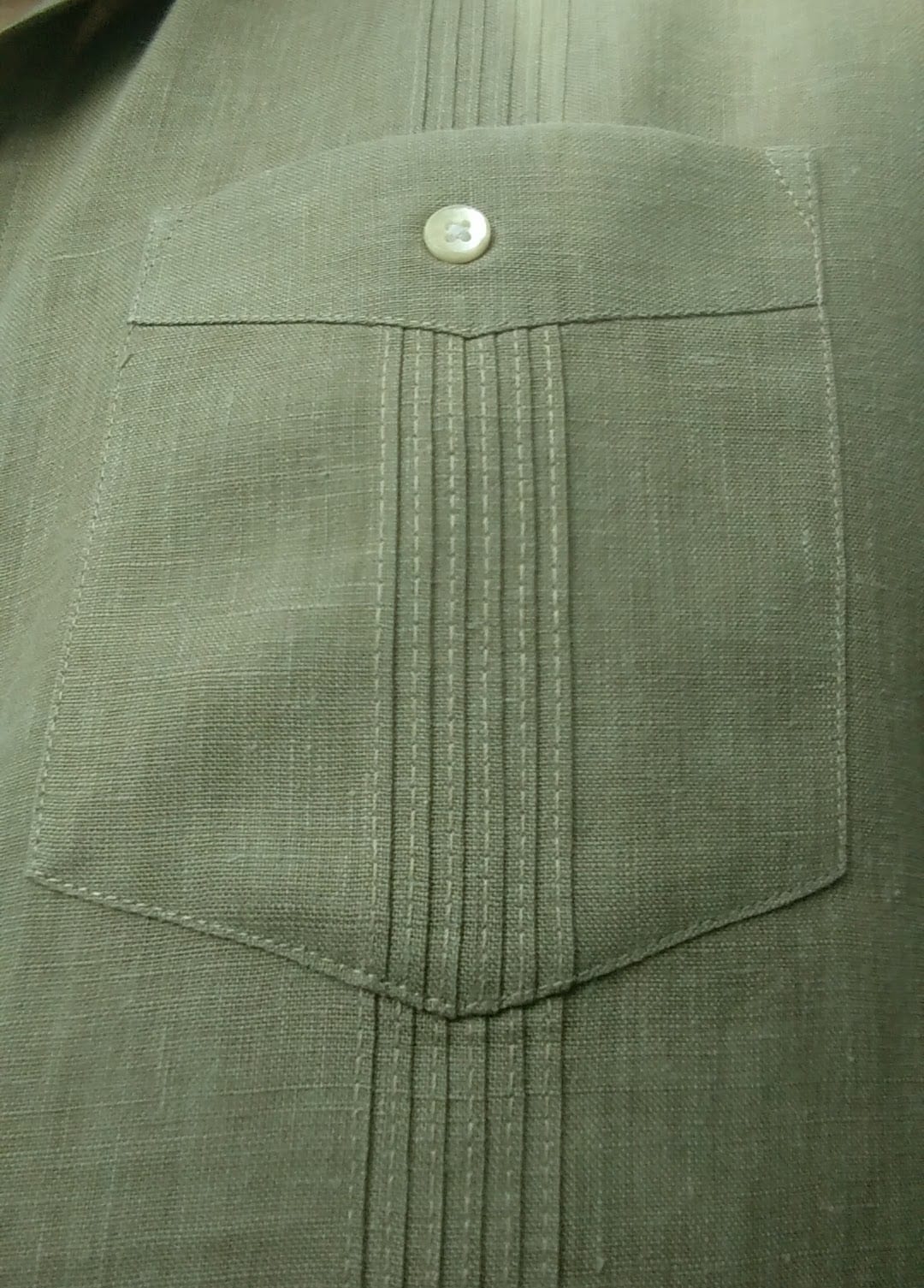
A guayabera catches your eye in a shop in Cuba. You can name it, but the useful conversation starts with the details: which size, which sleeves and whether you can try it on. Build your request around one garment instead of trying to remember an entire clothing dictionary. The examples here are original learning scenarios, not reports about a particular shop.
Try “Busco una guayabera de manga corta” — I am looking for a short-sleeved guayabera. Add “¿Tiene alguna en blanco?” if white is your preference. These questions establish what you want without assuming that a shop has your colour, size or preferred fabric. The Spanish is useful in Cuba and elsewhere; the grammar is not exclusive to Cuban Spanish.
Treat the size label as a starting point
Talla is the key word for clothing size. You can say “Normalmente uso la M; ¿qué talla es esta?” — I normally wear medium; what size is this one? Name the letter or number on the actual label. Do not convert it into your home country's system by guesswork, and do not assume two garments with the same label will fit alike.
If you need a comparison, ask “¿Tiene una talla más grande?” or “¿Hay una más pequeña?”. Más grande asks for a larger size; más pequeña asks for a smaller one. For shoes, “¿Qué número es?” is also useful. Keep the garment in view so that talla, número and the item you are discussing stay clear.
Ask about sleeves, fabric and the part that matters
Manga corta and manga larga describe short and long sleeves. If you want to compare two guayaberas, “¿Esta tiene la manga más larga?” asks about a visible difference rather than a size label. Cuello is the collar, botones are buttons and tela is fabric. Choose the word for the detail that affects your decision.
“¿De qué tela es esta guayabera?” asks what the garment is made of. If the answer is algodón, you have heard cotton; that answer still needs to refer to the actual garment. “¿Puede enseñarme la etiqueta?” asks to see the label. A photograph or a familiar garment name does not establish the material, its origin or how it should be washed.
Ask before trying it on
Probarse describes trying clothing on. “¿Me puedo probar esta guayabera?” names the item directly and avoids a difficult pronoun while you are learning. “¿Hay algún sitio donde pueda probármela?” asks whether there is somewhere to try it. It does not assume that a fitting room is available or that trying on every item is allowed.
Once the item is clear, probármela refers to la guayabera; probármelos can refer to los pantalones. Keep me because you are trying the clothes on yourself. Compare “Quiero probar esta tela” with “Quiero probarme esta camisa”: the first concerns testing the fabric, while the second clearly concerns wearing the shirt to check it.
Use quedar to explain the fit
“Esta guayabera me queda bien” says that it fits or suits you. Be more precise when something needs changing: “Me queda estrecha en los hombros” means it is tight across the shoulders; “Las mangas me quedan largas” means the sleeves are too long for you. A useful description names both the problem and the part of the garment.
Notice the agreement: la guayabera queda, but las mangas quedan. The adjective also follows the thing described: estrecha for the guayabera and largas for the sleeves. You can then ask “¿Tiene una que sea un poco más amplia?” — do you have one that is a little roomier? A wider cut and a larger labelled size are related possibilities, not identical requests.
Check what the answer refers to
An answer such as “De ese modelo solo queda la pequeña” means only the small one remains in that model. Here queda means remains or is left, rather than fits. Listen for the surrounding words. “Te queda pequeña” describes the fit on you; “Queda una pequeña” describes what is available.
If you miss the size, ask “¿Me repite la talla, por favor?”. If someone points at another garment, check “¿Se refiere a la azul o a la blanca?”. Repeating one detail is more useful than agreeing without understanding. Prices, availability, payment methods and exchange conditions belong to that particular conversation; no phrase book can establish them in advance.
Finish with a decision you can explain
Put the pieces together: “La blanca me queda bien de hombros, pero las mangas son largas. Quisiera ver otra de manga corta”. You have identified the garment, described the fit and asked for a specific alternative. Practise changing only one detail each time: colour, sleeves, size or the area that feels tight. Then say the whole request again without reading it.
Before buying, “Si no me queda bien, ¿se puede cambiar?” asks about an exchange without claiming that one is permitted. If you decide to buy the guayabera, “Me llevo esta” is a clear finish. For the next conversation, keep three questions ready: what size is it, may I try it, and which part fits differently? Our guayabera article gives cultural context; the market-shopping guide covers a separate task, quantities and purchases at a food stall.