¿Qué bolá?
- Meaning
- What’s up? An informal Cuban greeting.
- Example
- Asere, ¿qué bolá?
- Usage
- Informal; among friends and acquaintances.
Learn Cuban slang, greetings, words and sayings through explanations by a native Cuban teacher and interactive flashcards.
Cuban Spanish is full of words and sayings that make more sense when you know the people behind them. Explore native explanations of everyday greetings, vivid slang and the expressions you’ll hear in conversation.

Understand guagua, máquina, almendrón and botella in Cuba. Practise complete Spanish questions about destinations, stops and what a quoted fare covers.
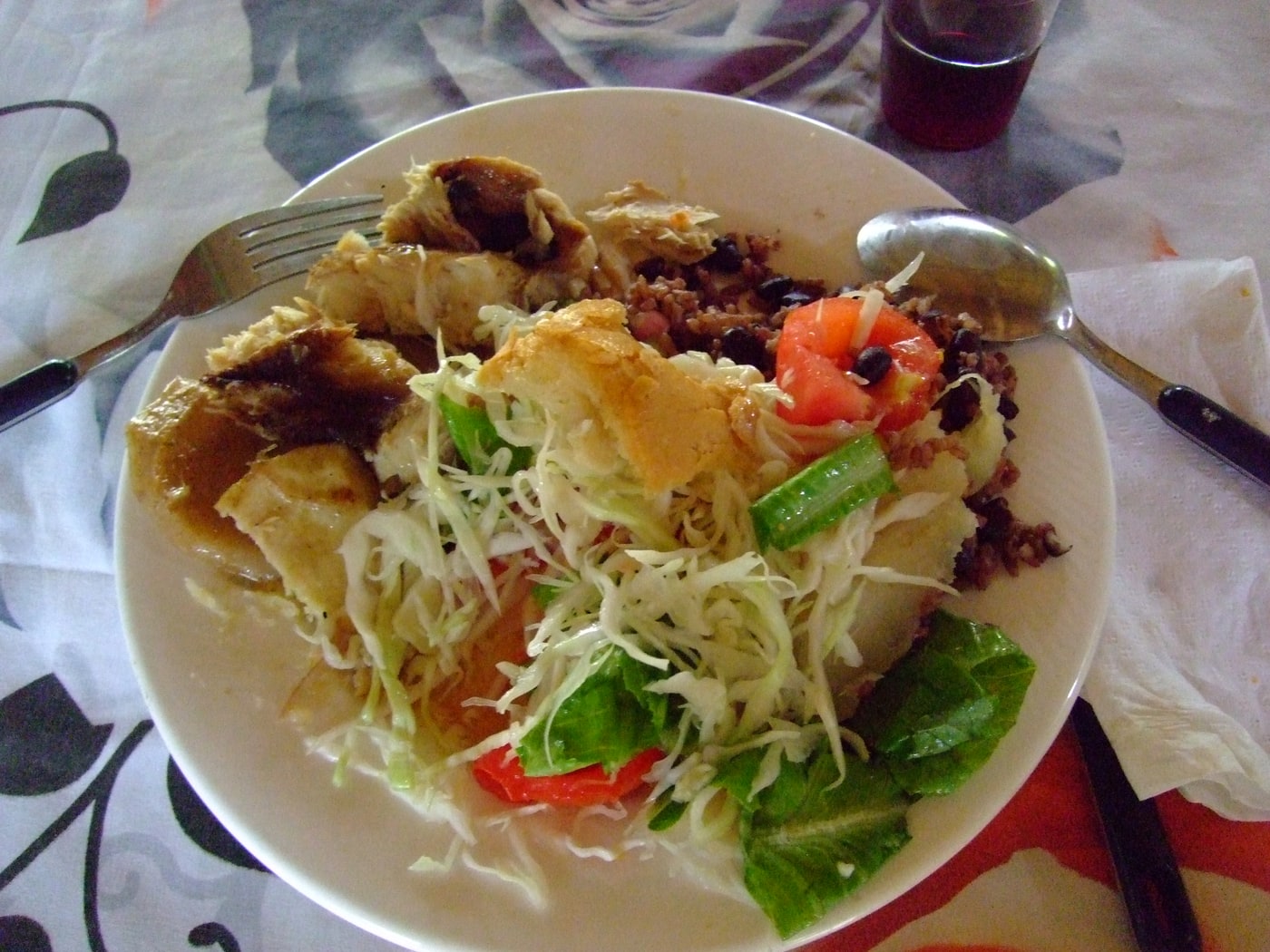
Read Cuban food words with confidence: viandas, yuca, malanga, boniato, congrí and tostones. Build complete questions about ingredients, sides and availability.
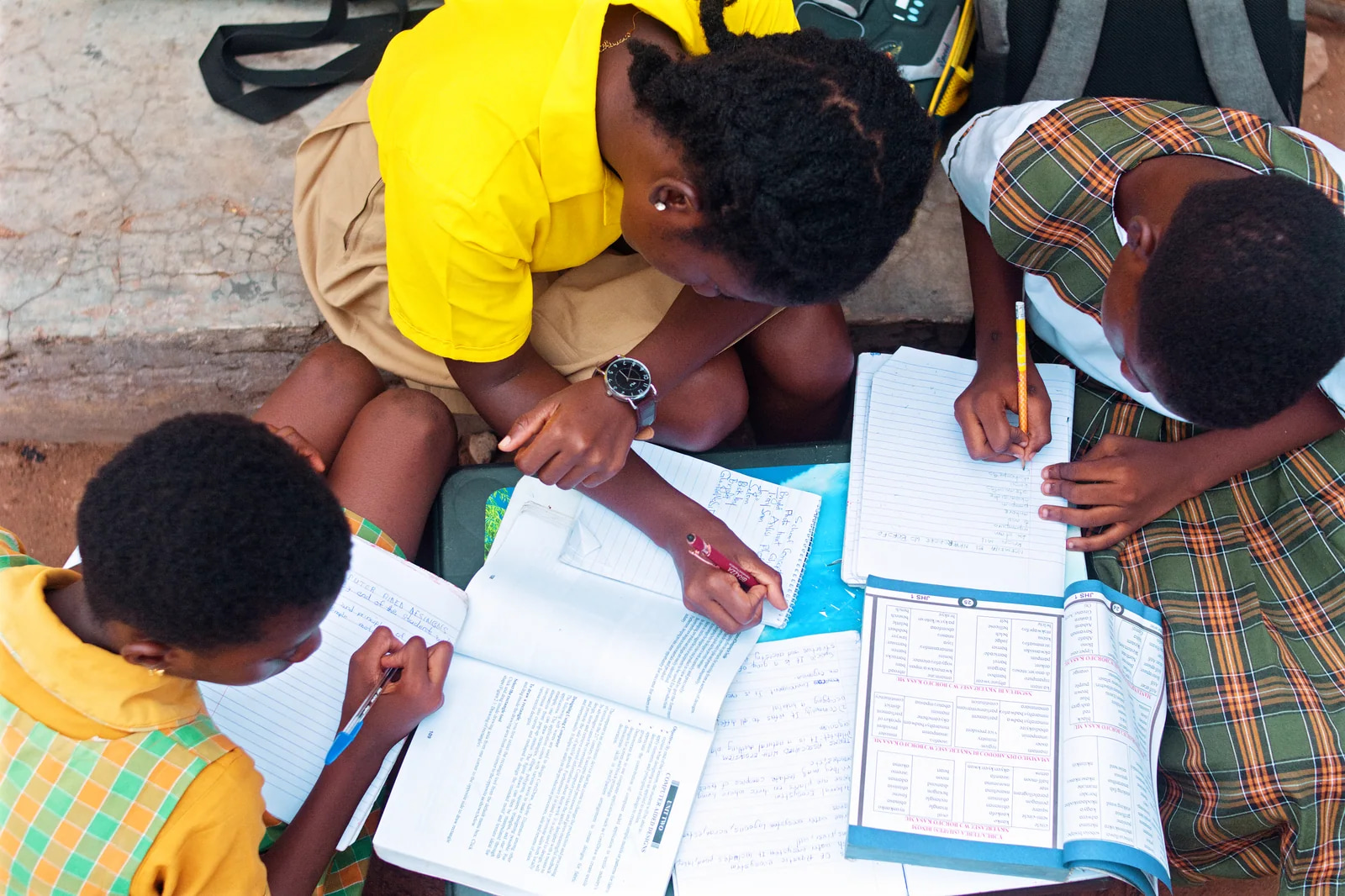
Choose hablé or hablaba, fui or iba in Cuban Spanish conversations. See how events, background and past habits fit together in complete examples.

Understand ya, ya no and todavía no in Cuban Spanish conversations, answer timing questions and distinguish written aún from aun with clear examples.
Understand cafecito, vasito and un momentito through complete examples, context and useful replies while learning Cuban Spanish.
Build clear requests in Cuban Spanish, distinguish asking permission from asking for an action, and follow accepting, refusing and alternative replies.
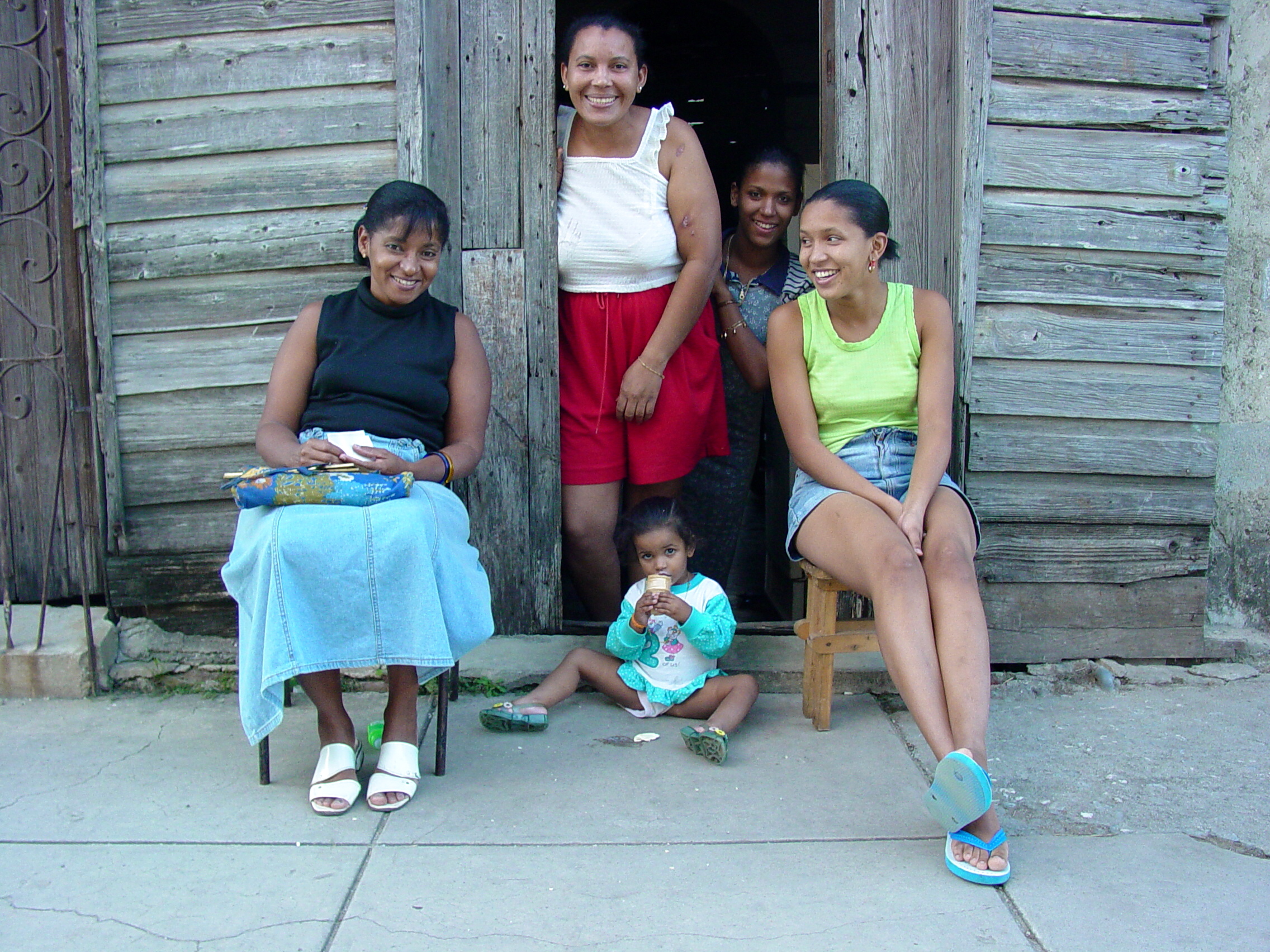
Choose tú, usted and ustedes in Cuban Spanish with clear verb comparisons, respectful questions and practical examples that account for relationships and variation.

Understand subject-before-verb questions in Cuban Spanish, compare common alternatives and build clear questions without treating one regional pattern as universal.
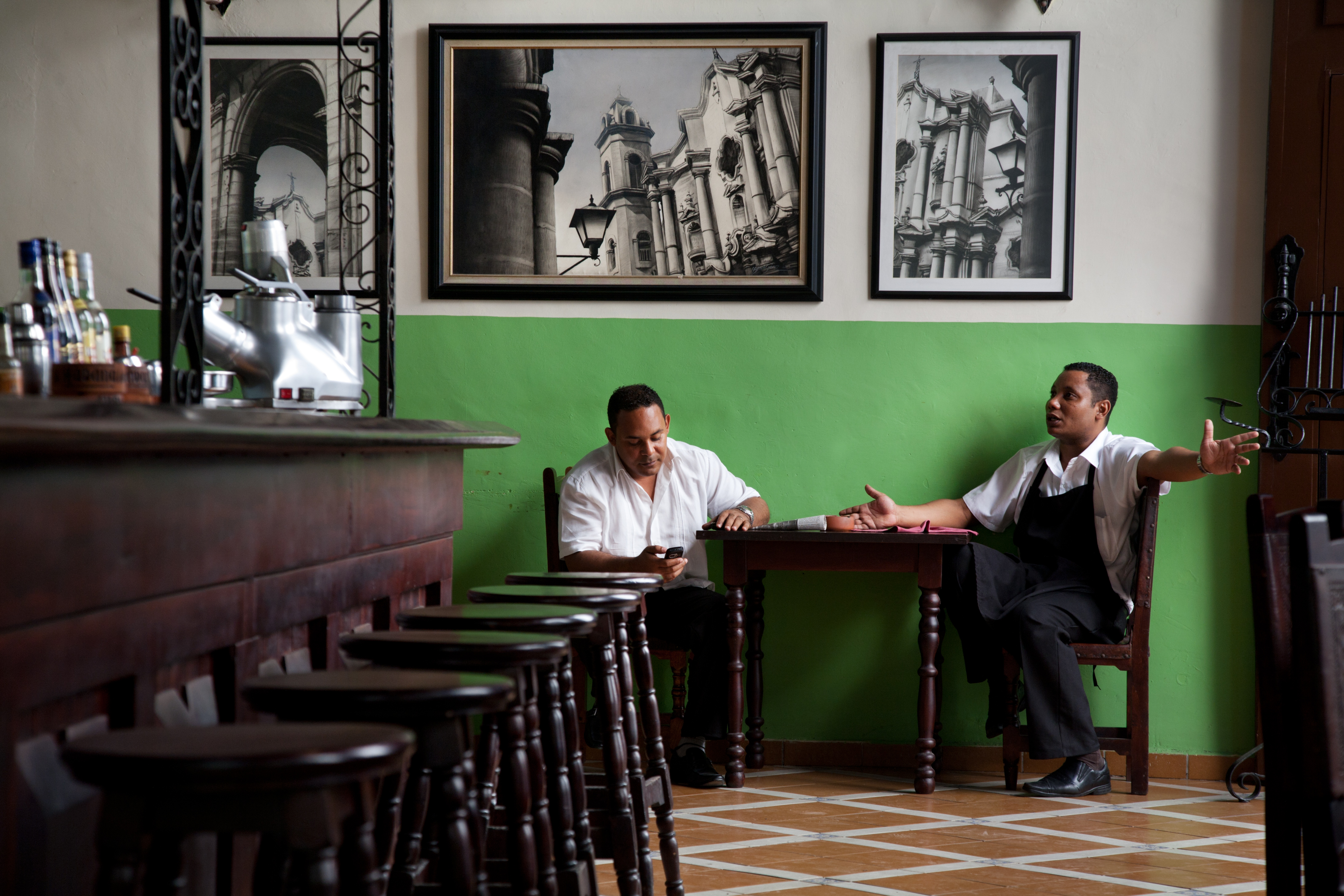
Learn Cuban Spanish listening skills by finding word boundaries, following linked sounds and checking short phrases without forcing an exaggerated accent.
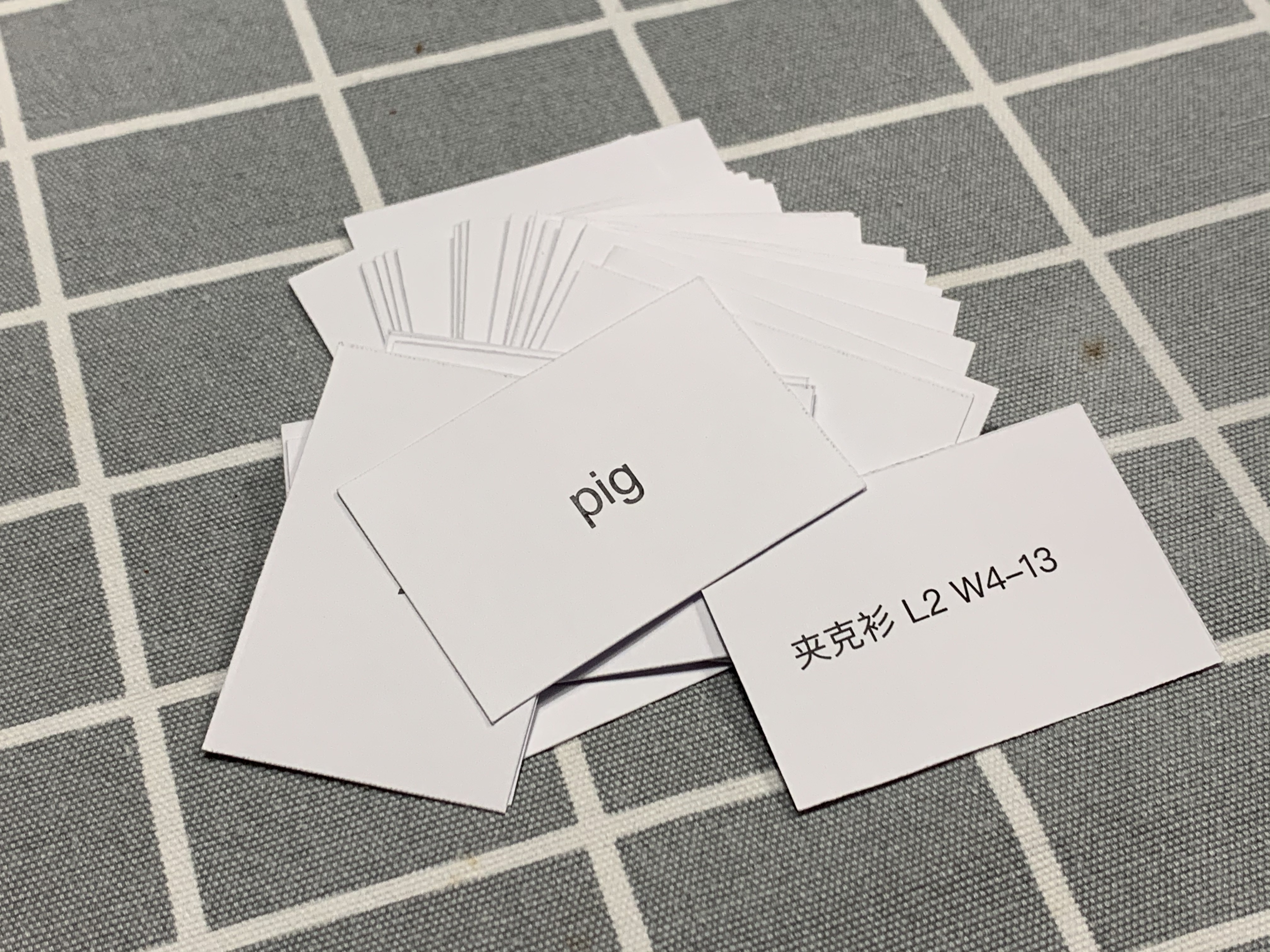
Build useful Cuban Spanish flashcards with situations, complete phrases and recall practice. Learn how to move from recognising a word to using it in context.

Learn Cuban Spanish greetings through everyday situations: when qué bolá fits, what asere signals, and how to open and continue a conversation naturally.
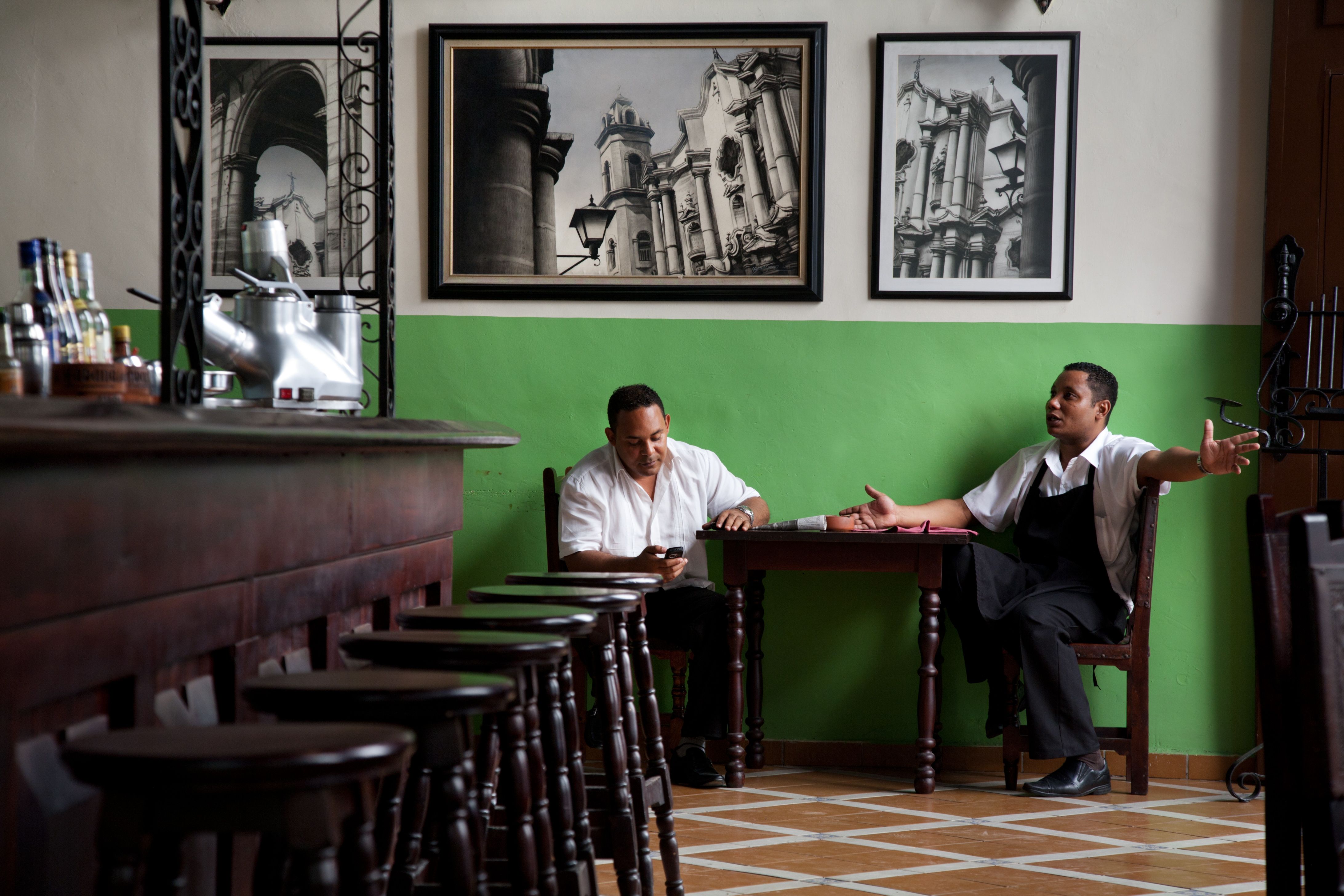
Keep a Cuban Spanish conversation going with clear requests for repetition, word meanings and confirmation. Practise complete written exchanges.
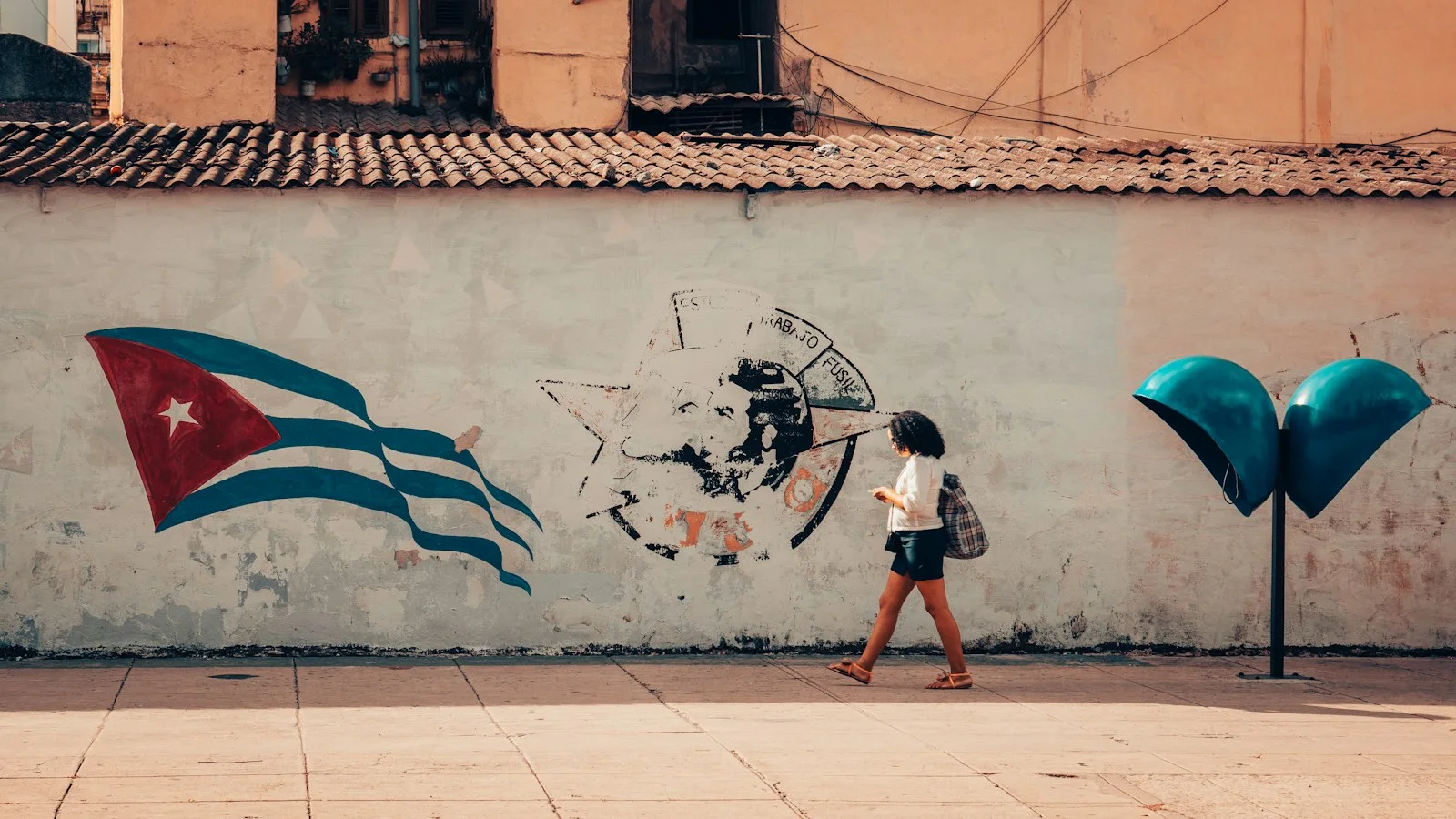
Build Cuban Spanish listening practice around short spoken passages: understand the topic, replay a difficult phrase and use it in conversation.
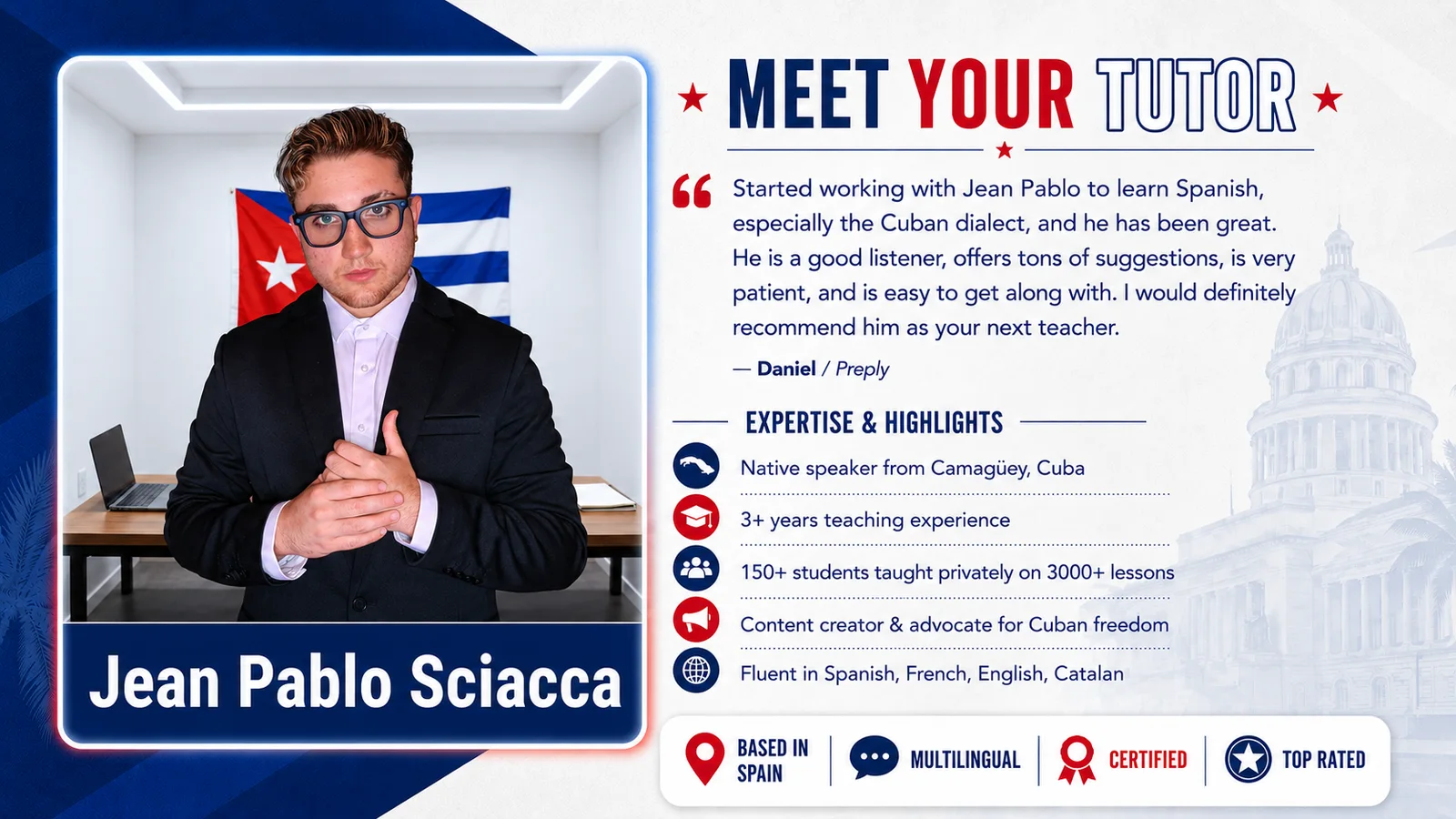
Choose an online Cuban Spanish teacher by checking explanations, listening feedback, cultural context, lesson goals, availability and booking terms.

What does jaba mean in Cuban Spanish? Learn the everyday word for a shopping bag, with meanings, examples and Cuban context.

What does está en candela mean in Cuban Spanish? Learn how context and tone turn fire into difficulty, chaos or admiration.
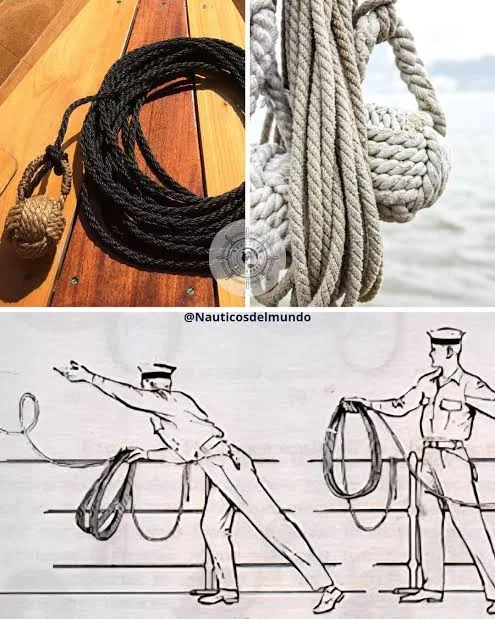
What does tirar un cabo mean in Cuban Spanish? Learn this everyday way to ask for help, with examples and context.
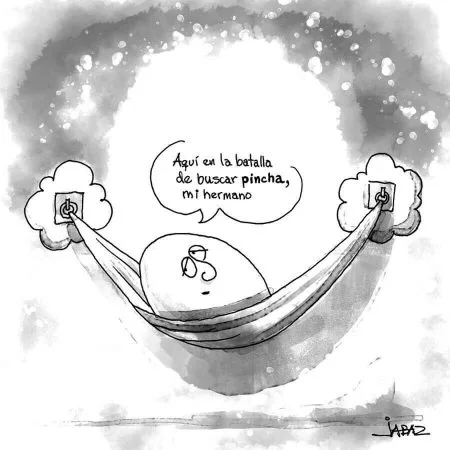
Learn pinchar and pincha: Cuban Spanish for work. Understand en qué tú pinchas and other everyday examples.

Learn alabao, tarecos, patatús and other words your Cuban grandma says. Discover their meanings, examples and family context.
Learn common Cuban phrases, greetings and slang: qué bolá, asere, pinchar, tirar un cabo and everyday expressions with meanings.
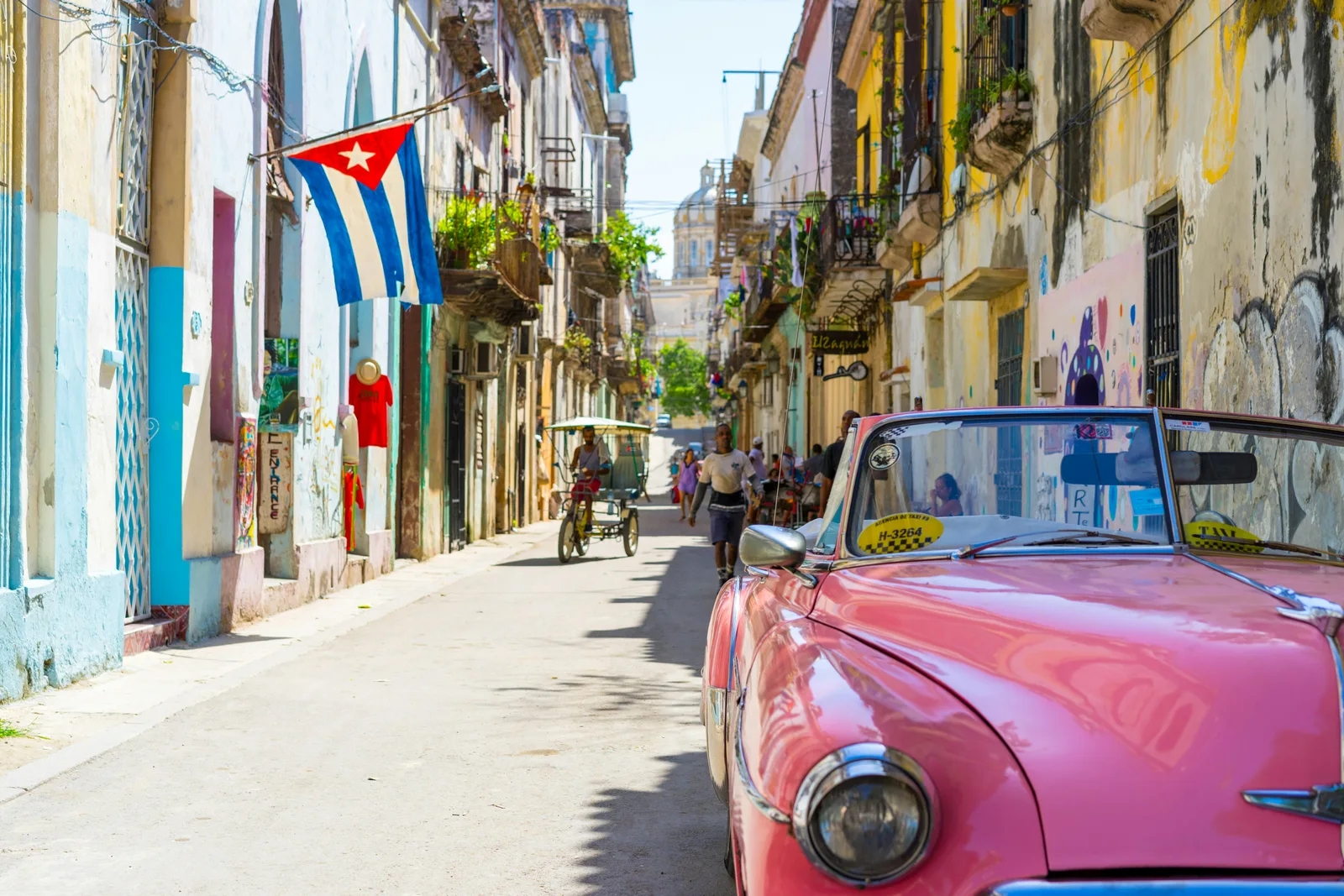
Where to learn Cuban Spanish: compare online teachers, courses, conversation and free resources to choose a practical route for your goals.
A word can be friendly in one conversation and rude in another. These everyday expressions come from the academy’s articles and public cards.
Courses, culture, live classes and a community to practise with.