Cuban Culture, History & Everyday Life
Explore Cuban music, literature, history and daily life through stories by the Cuban teacher, a native Cuban from Camagüey.
To understand Cuban Spanish, get to know the stories behind it. Read the teacher’s writing on Cuban music, literature, daily life, exile and the history that shapes the island.
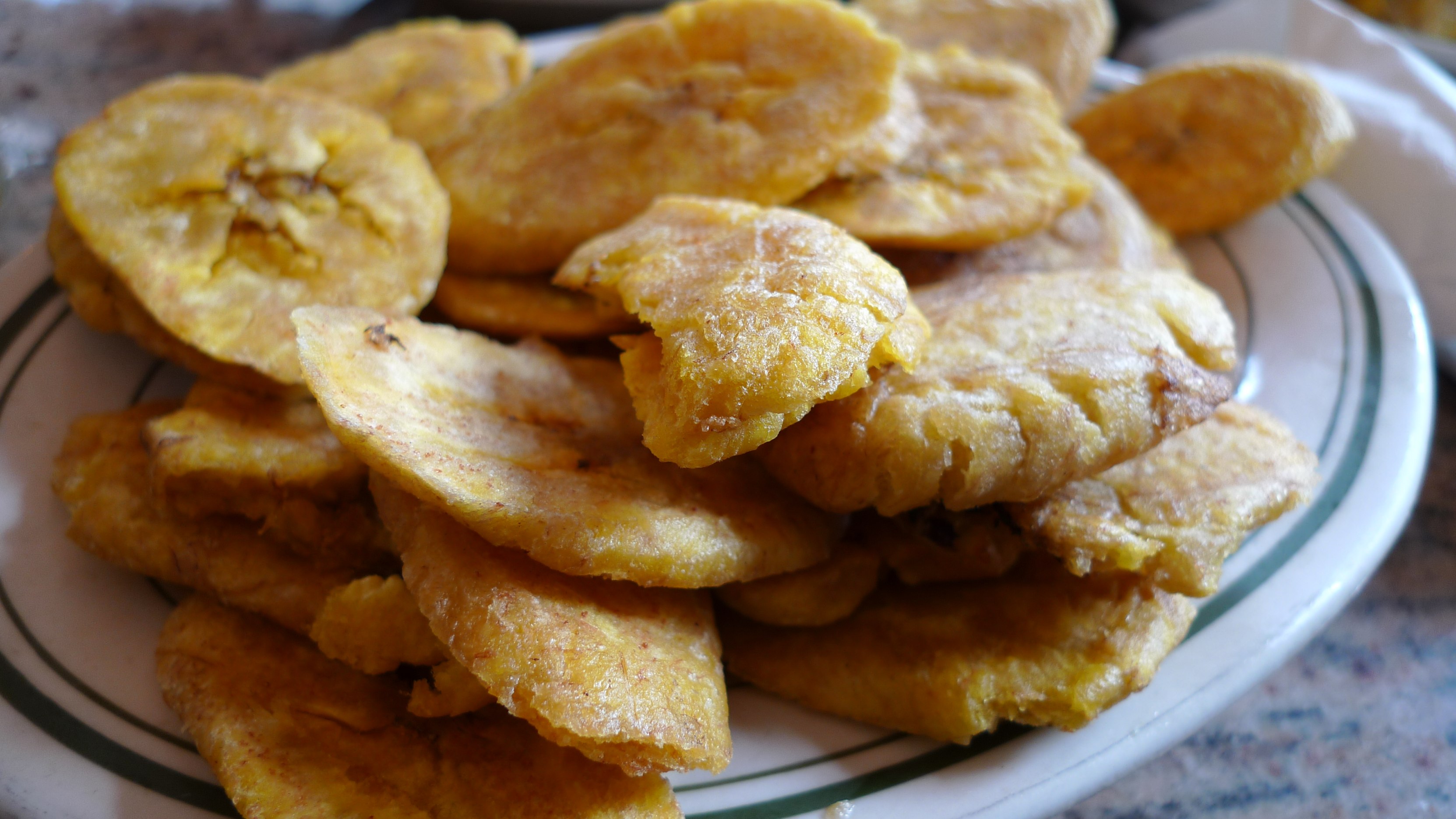
Cuban tostones
Green plantain, two rounds in the frying pan and the flattened shape of Cuban tostones, also called chatinos.
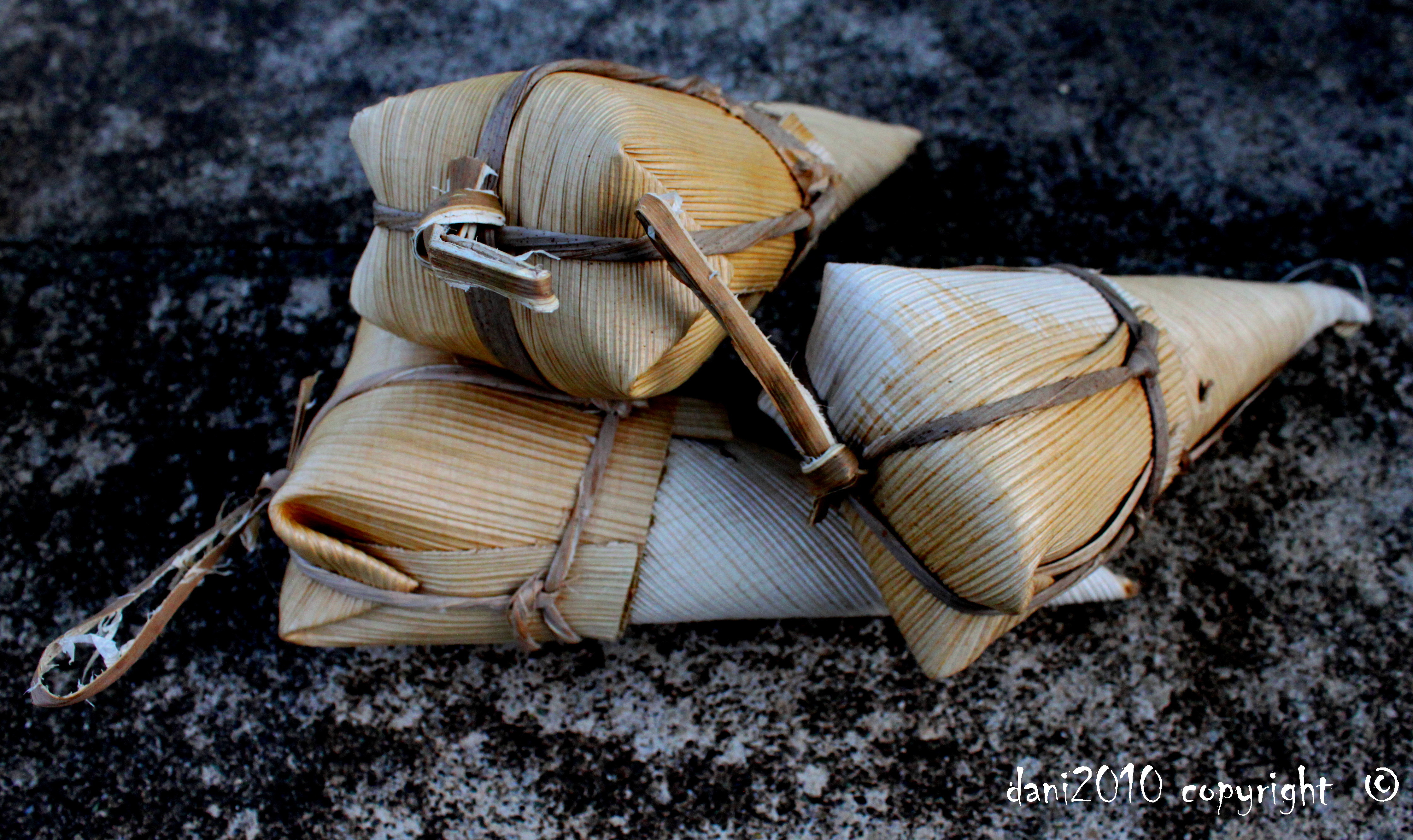
Cucurucho from Baracoa, Cuba
Baracoa’s grated coconut sweet comes in a cone made from yagua, the leaf sheath of the royal palm.
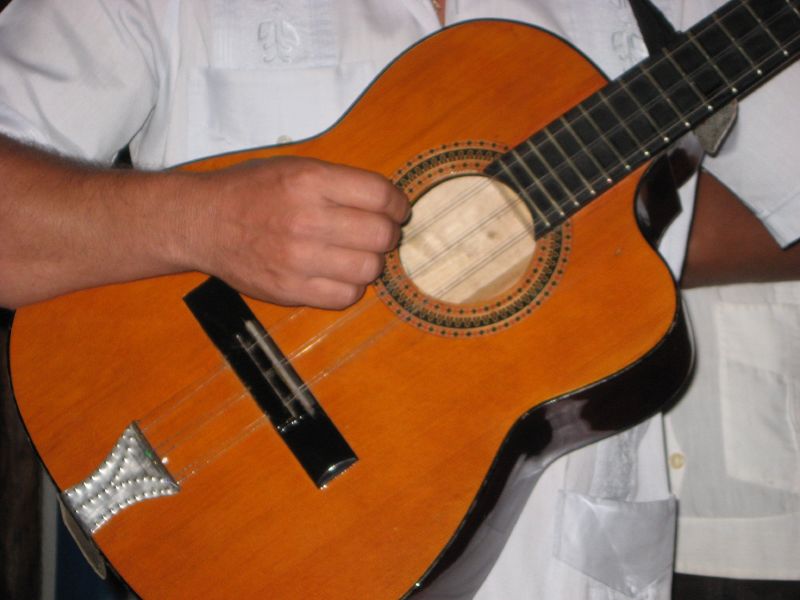
Cuban tres
The Cuban tres has six strings arranged in three pairs and a characteristic place in son ensembles.
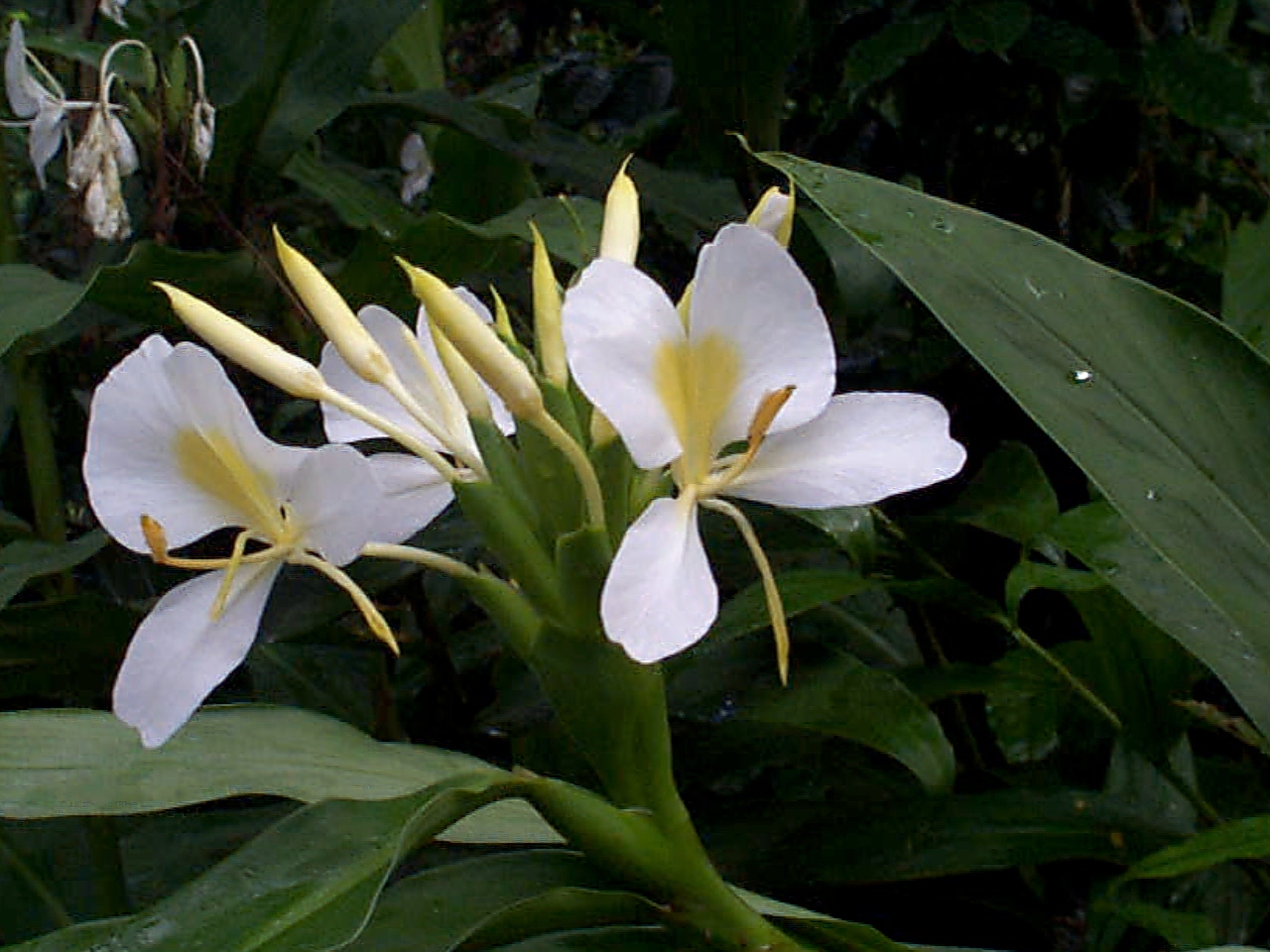
Cuba’s national flower: la mariposa blanca
Cuba’s national flower is Hedychium coronarium, a fragrant white-flowered plant in the ginger family.
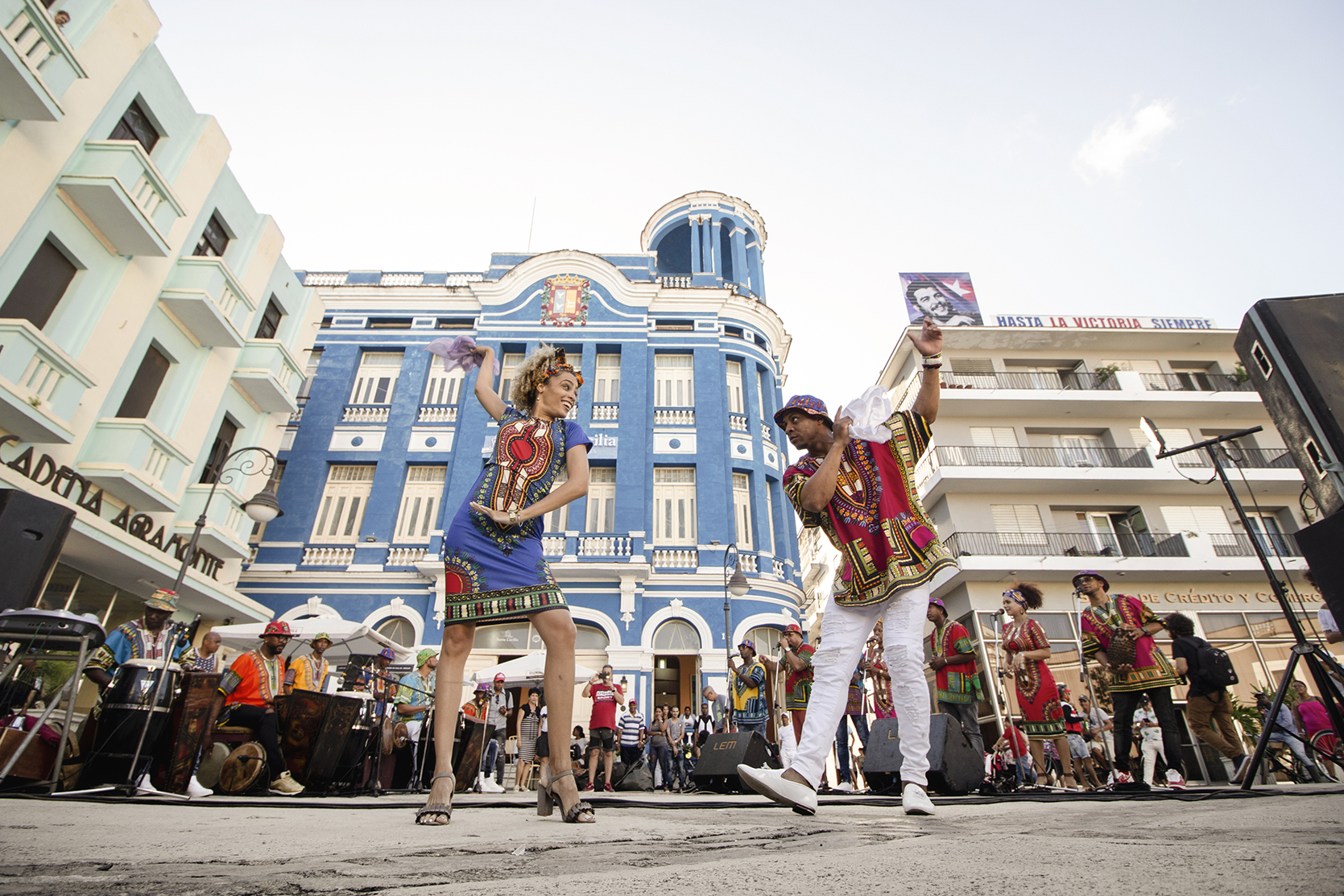
Rumba
The singer calls, the coro answers, and the people around the dancers keep the rumba going.
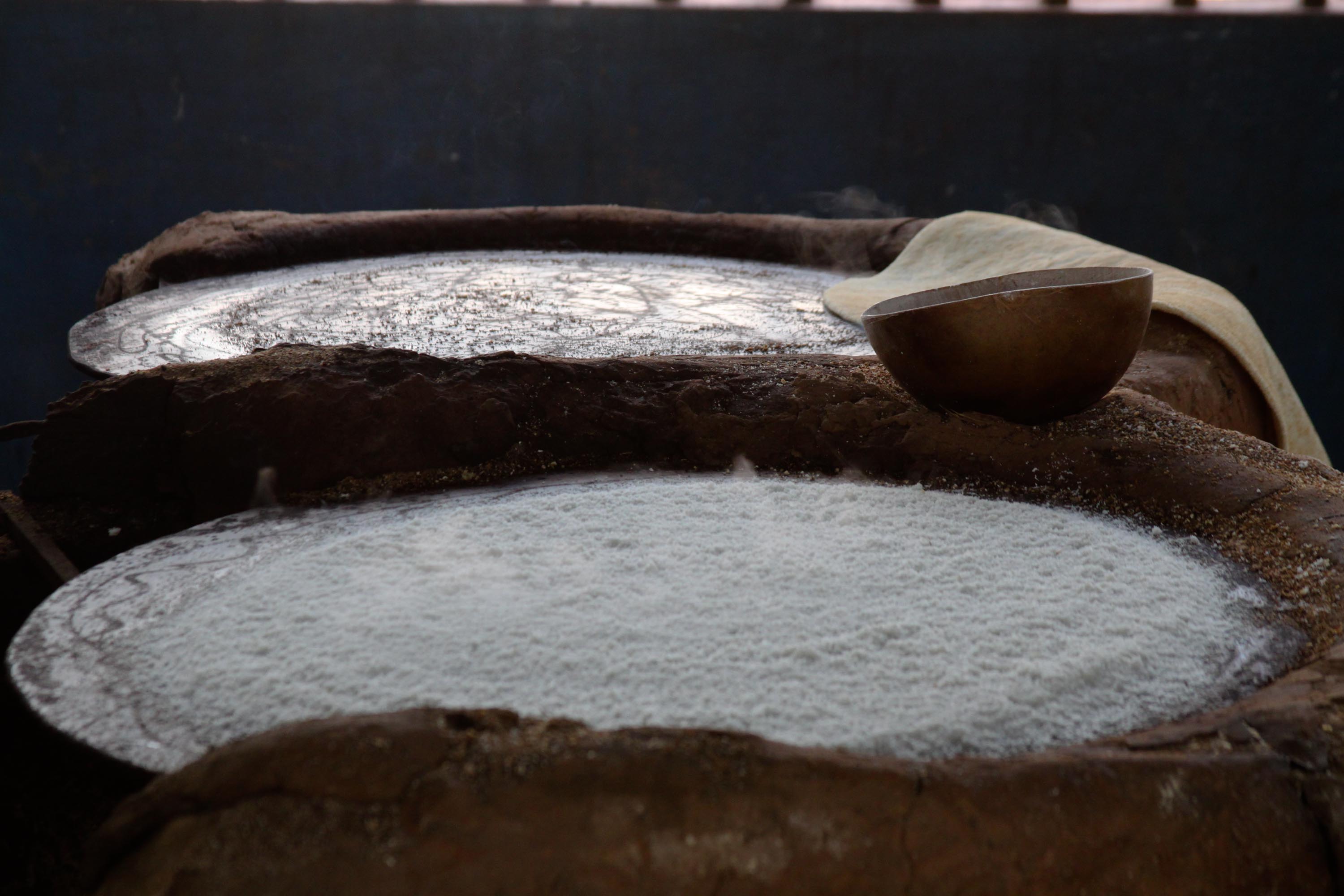
Casabe
Yuca, catibía and a burén: the bread that keeps a place beside Camagüey's ajiaco.
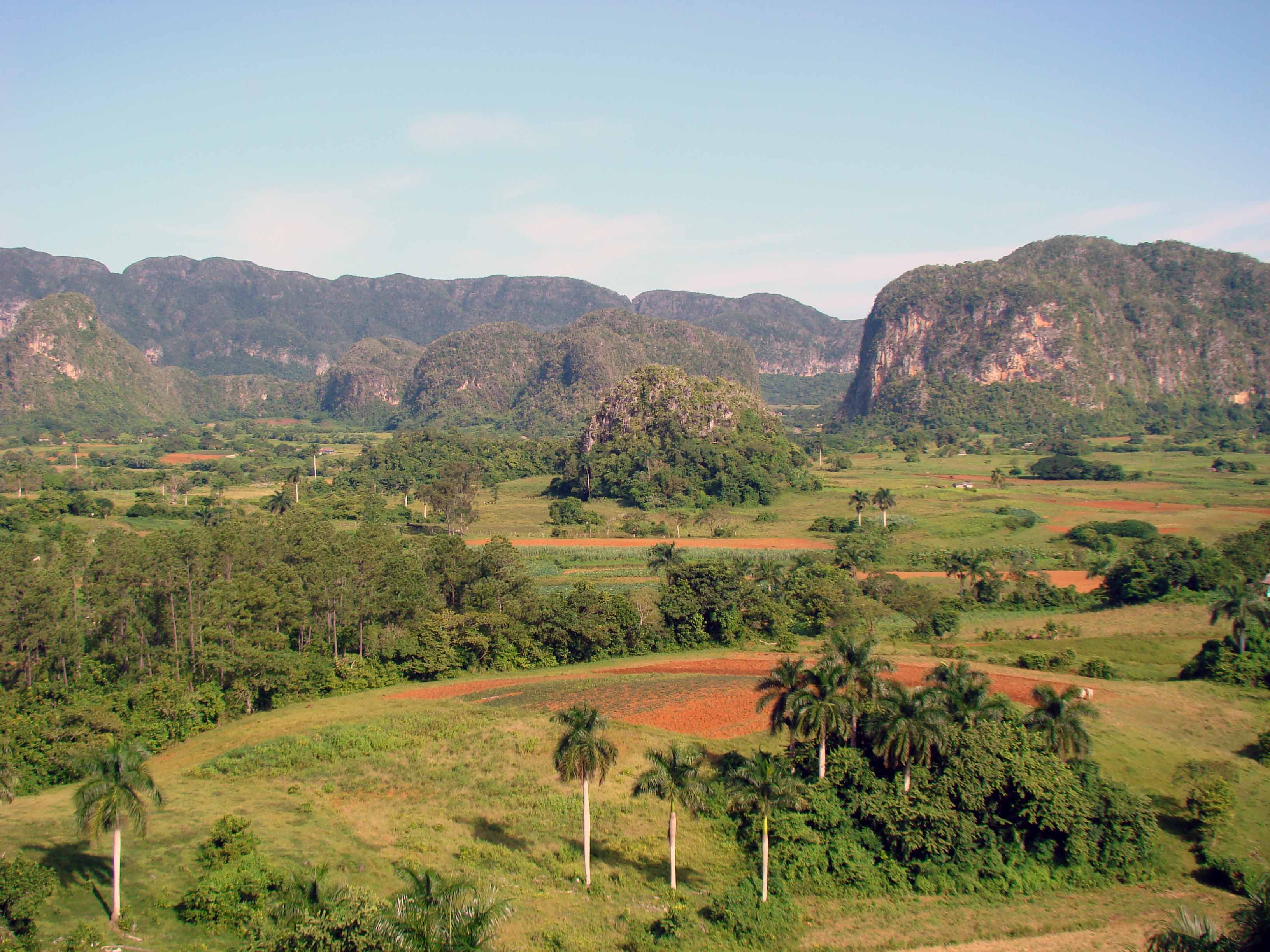
Viñales
Mogotes, tobacco fields and wooden houses: a valley where people live and work.
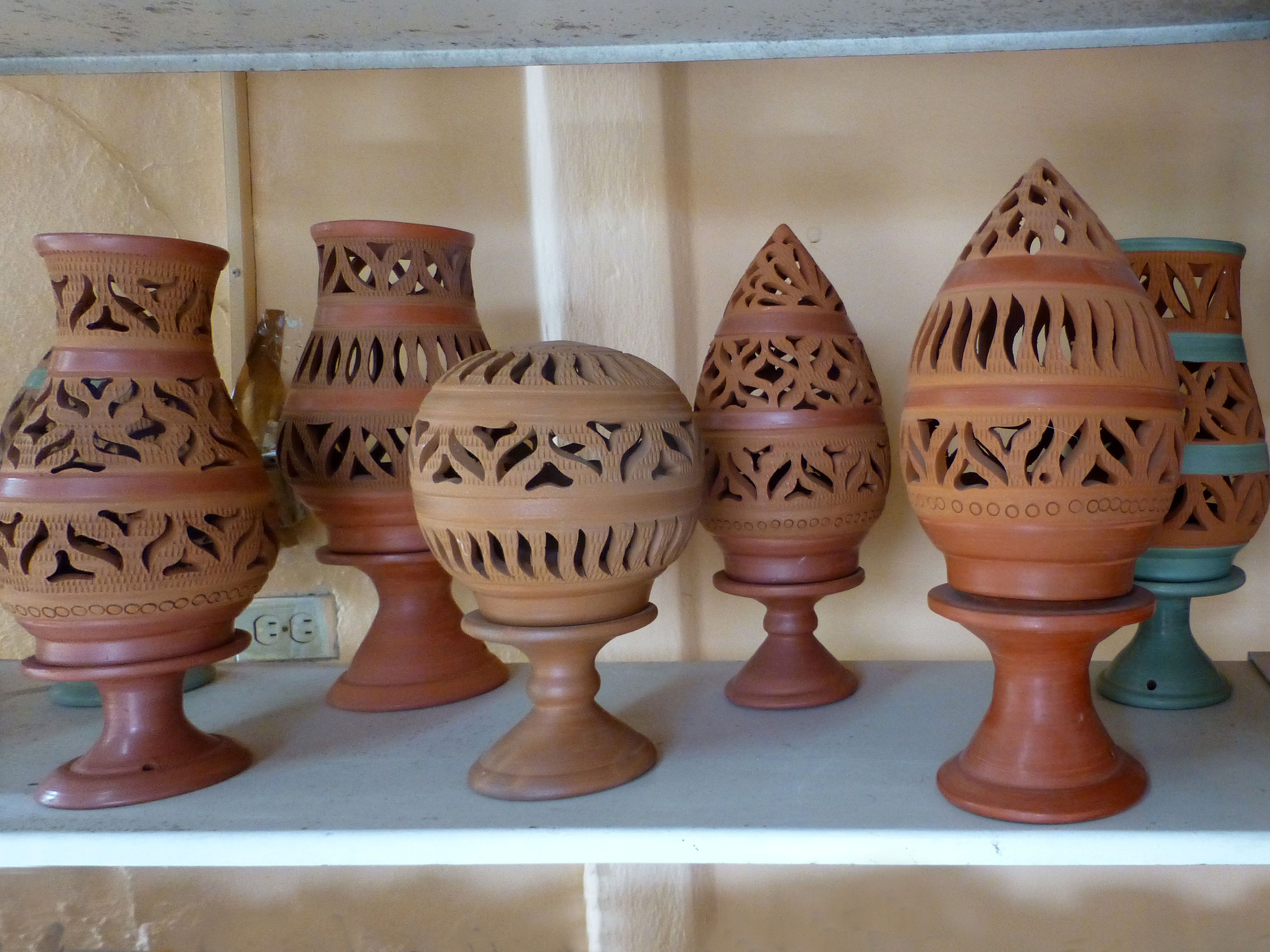
Trinidad's Pottery
Porrones for the cane fields and jugs for the home: clay work passed through generations in Trinidad.
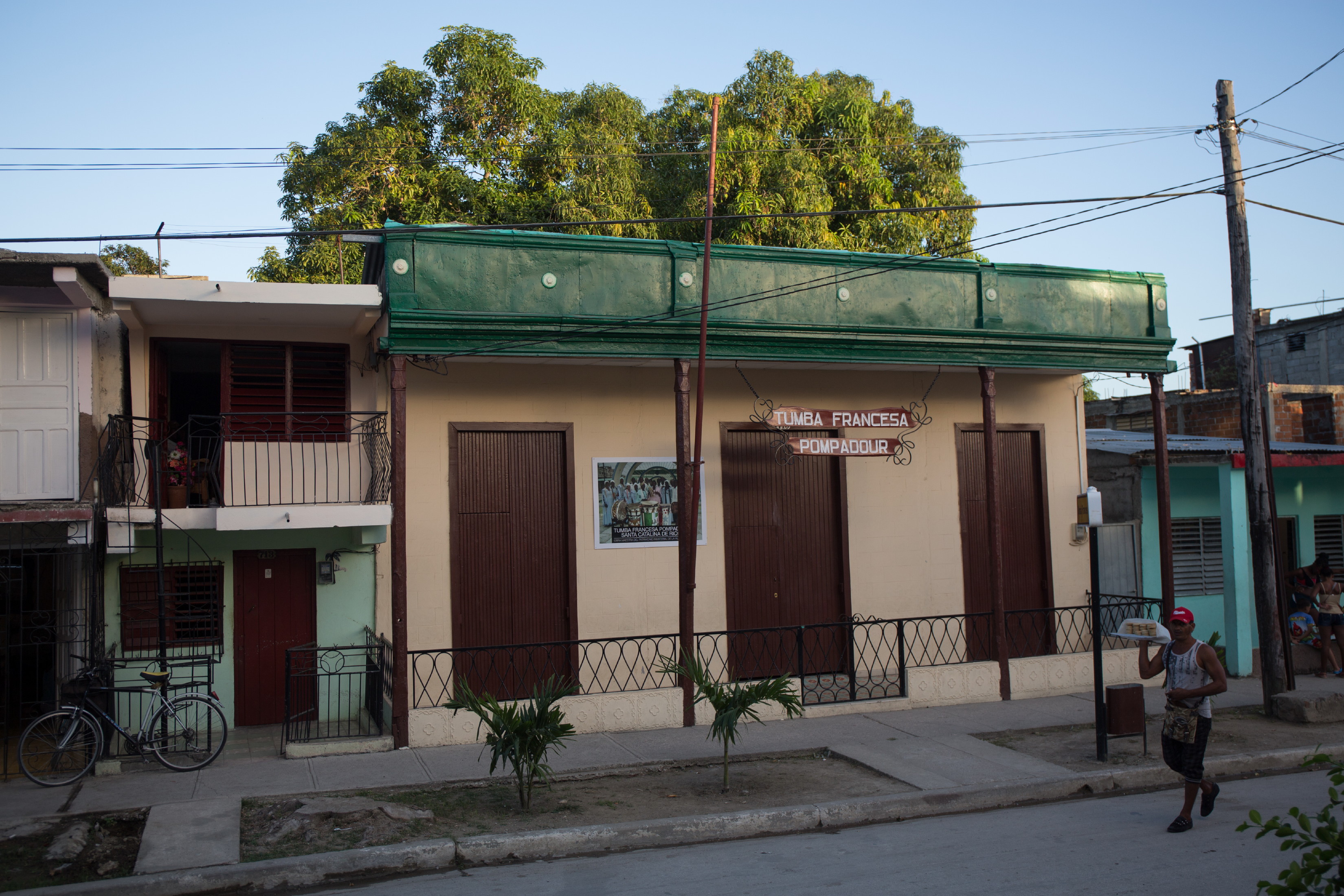
Tumba Francesa
A voice gives the signal, the drums answer, and a Haitian-Cuban community history comes alive in eastern Cuba.
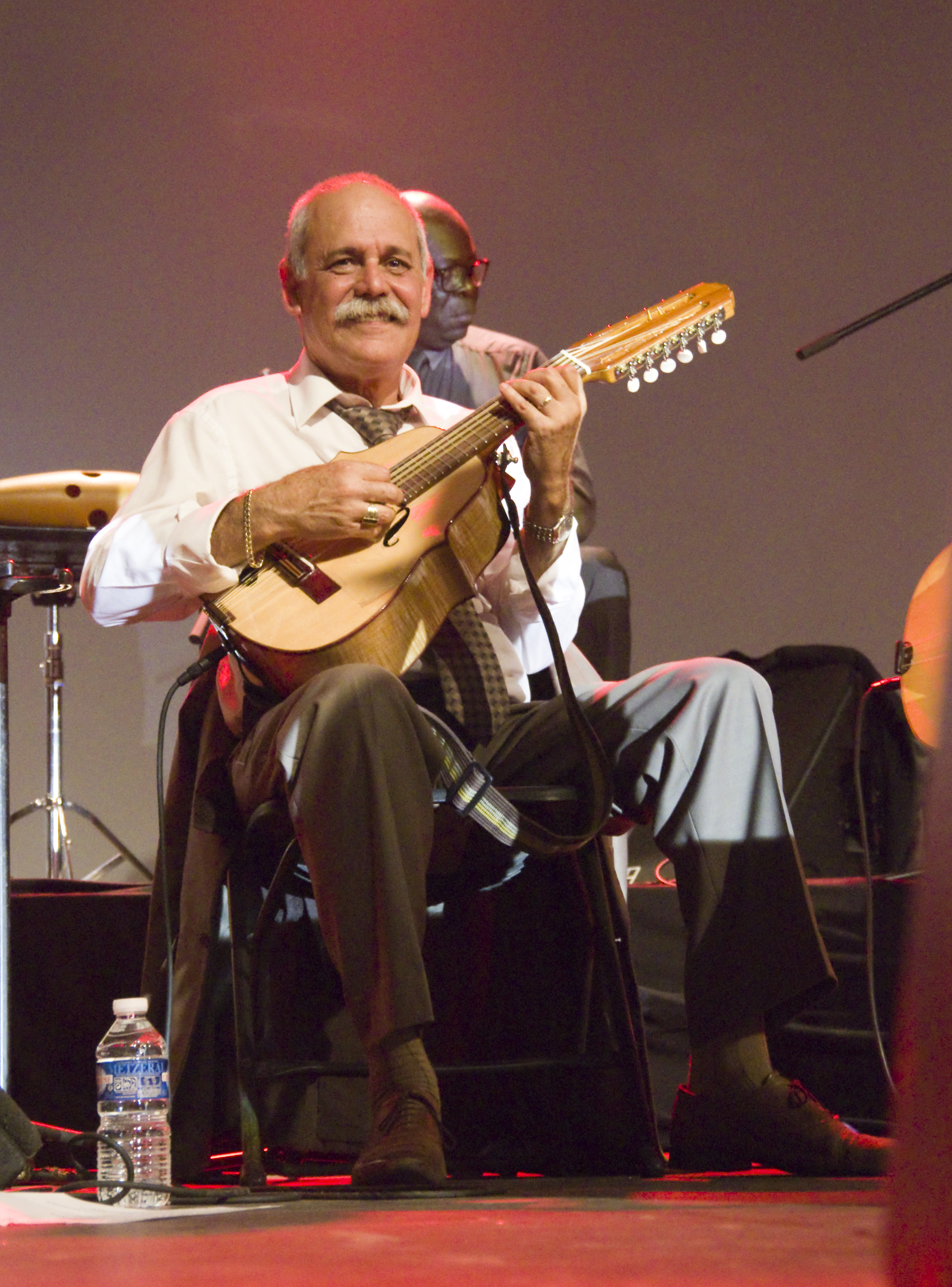
Punto Cubano
Ten lines, a rhyme to land and people listening: the craft and company behind Cuba’s punto guajiro.
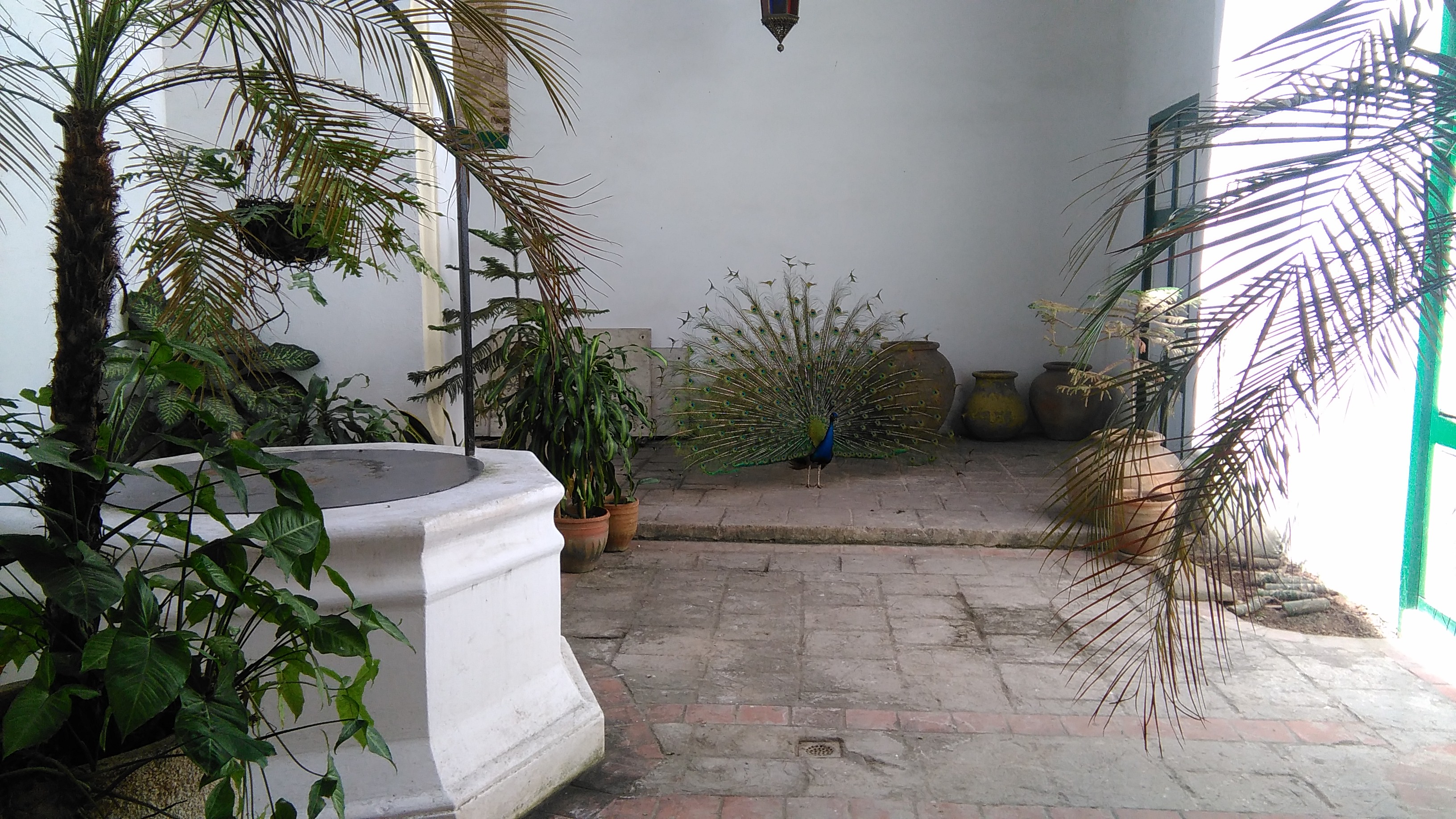
A Havana Patio
A piece of sky inside an old house: Havana’s patios bring together light, shade, moving air and shared space.

Danzón
Steps, deliberate pauses and a changing orchestra: danzón has been giving Cuban dance floors plenty to discuss since the nineteenth century.
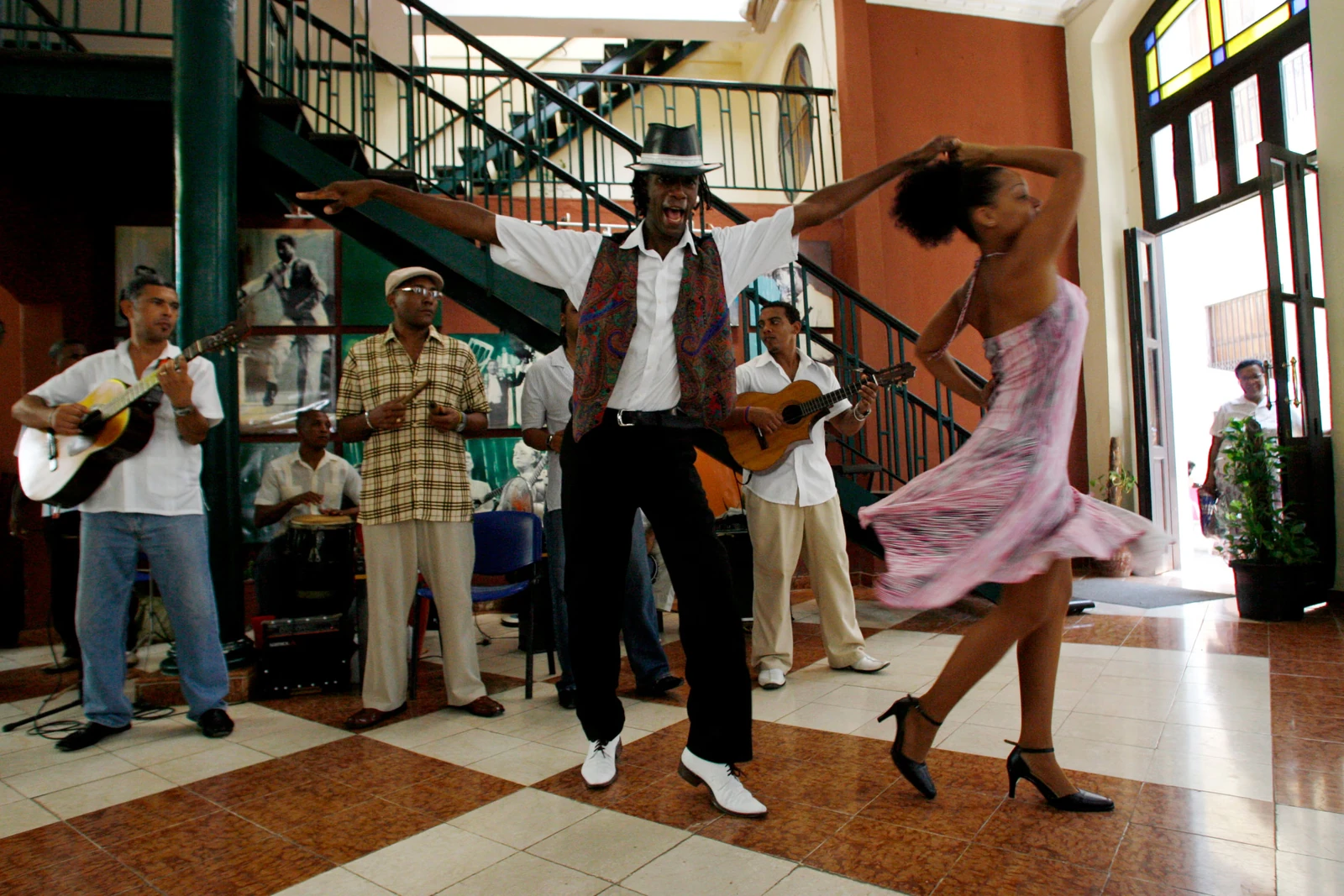
Bolero
Pepe Sánchez's Tristezas belongs to the early story of Cuban bolero and Santiago's trova tradition. Guitars, serenades, radio and recordings carried the songs further. Co
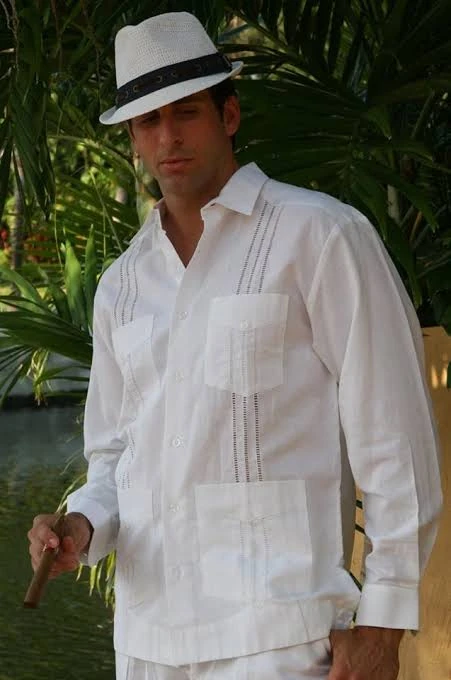
La guayabera
The guayabera's four pockets and alforzas make it easy to recognise, but its history is less tidy. Sancti Spíritus, military records, Havana's urban wardrobe and Mexican
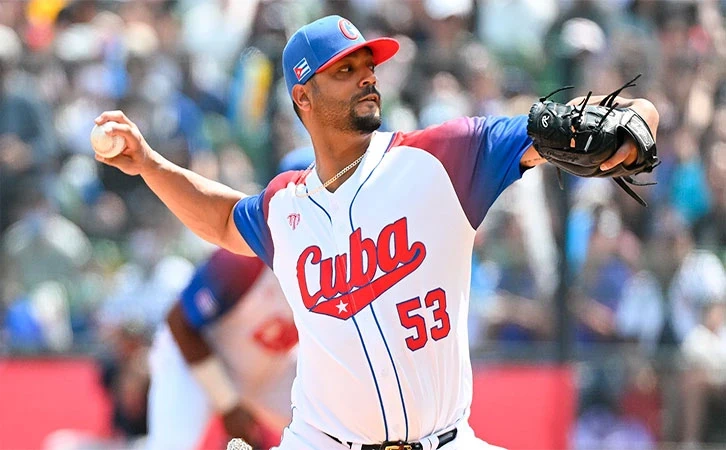
La pelota
A Habana–Matanzas game at Palmar de Junco in 1874 became a landmark in Cuban baseball history. The league followed in 1878, while Cuban players were already crossing to t
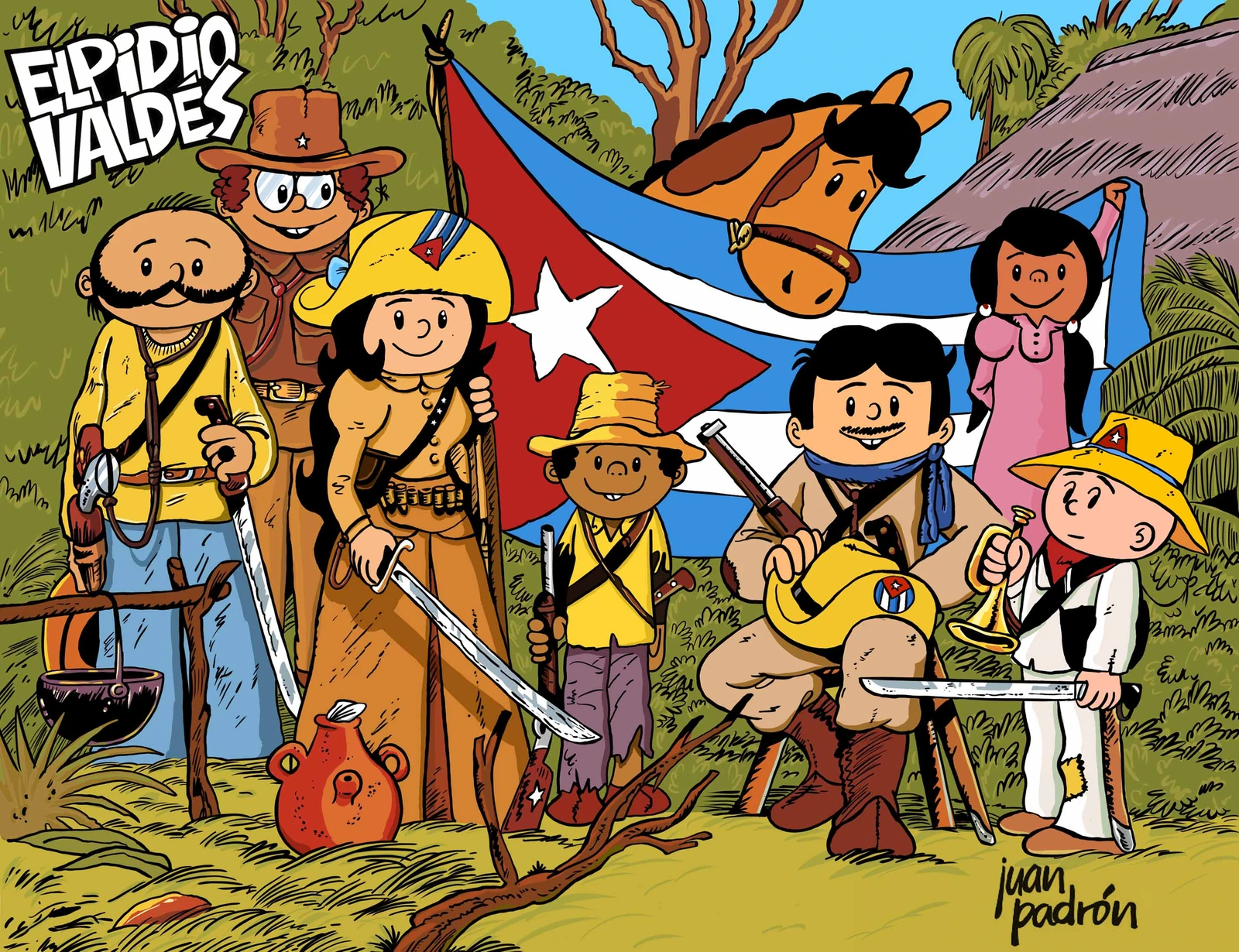
Elpidio Valdés
Elpidio's world has a cavalry horse called Palmiche, the combative María Silvia and a colonial officer named Resóplez. Juan Padrón took his mambí from Pionero in 1970 to
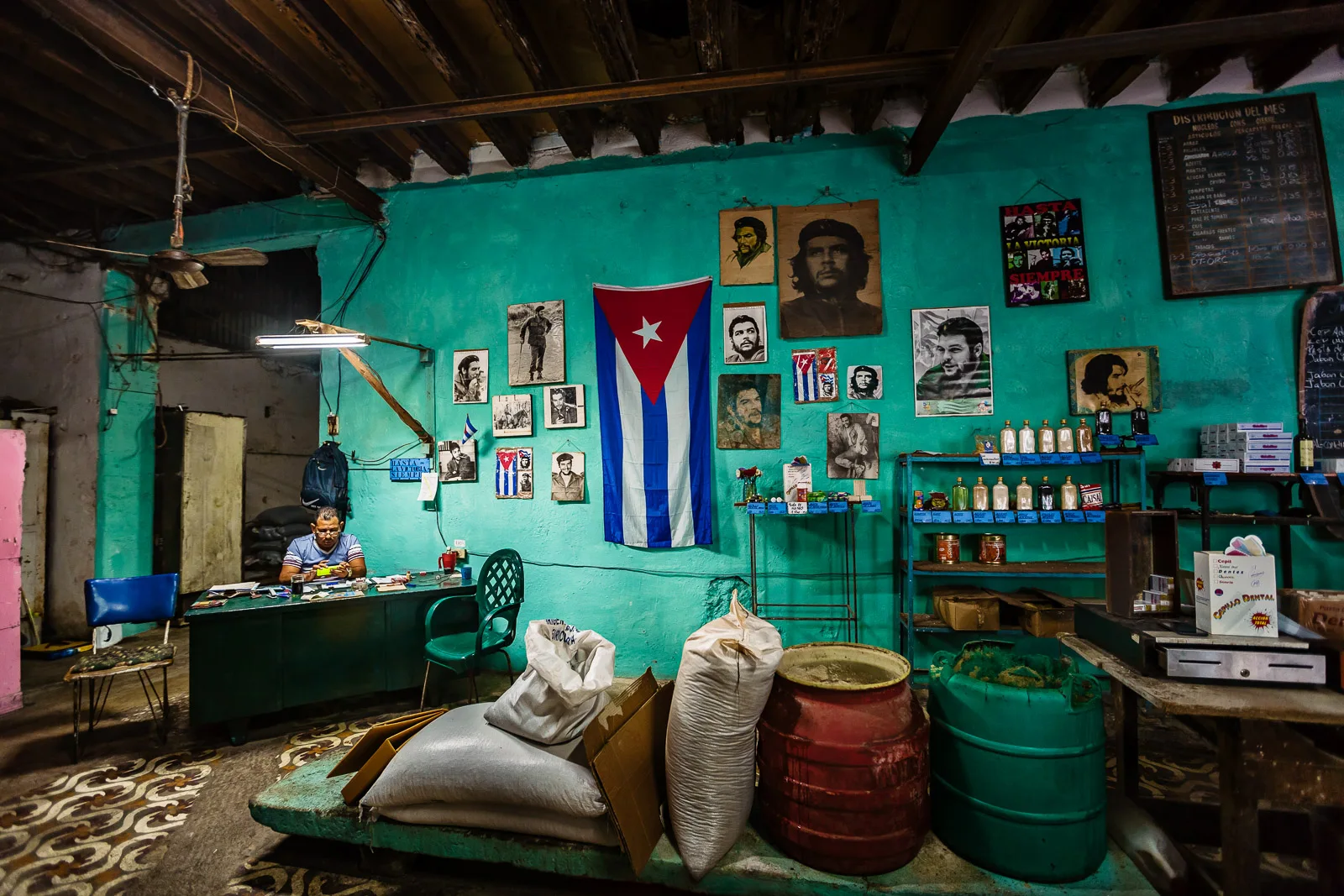
La Bodega
What is a bodega in Cuba? Explore rationing, neighborhood conversations, shortages and the familiar question: llegó el pollo?
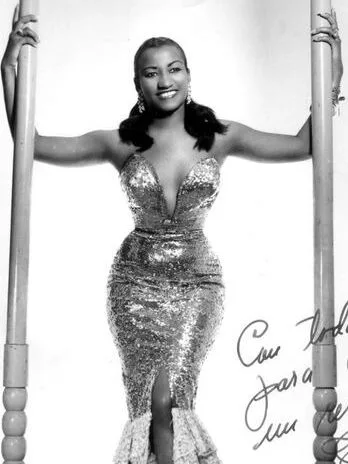
Celia Cruz
Explore the voice, joy and exile of Celia Cruz through a Cuban teacher’s reflection on her music and cultural legacy.
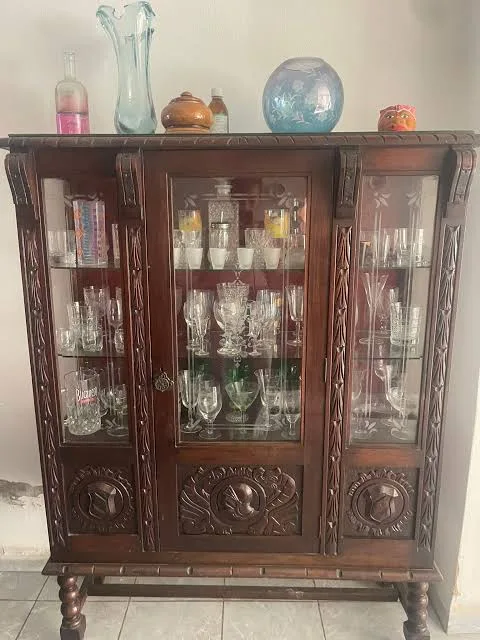
Las Parrandas
Remedios’ parrandas: illuminated floats, neighborhood rivalry and memories of Cuban celebrations.
The Cuban Vitrina
The Cuban vitrina: glasses for guests, ornaments and family history behind a familiar piece of Cuban home life, told with humor.
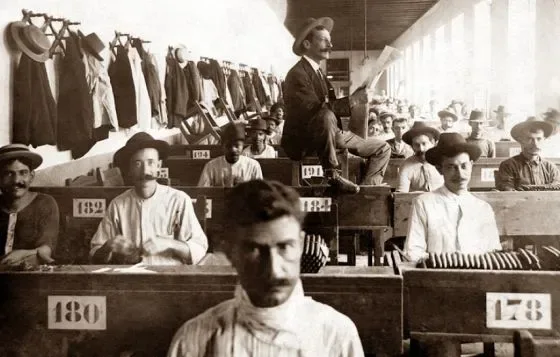
The Cigar Factory Reader (Lector de tabaquería)
Discover the Cuban lector de tabaquería: a tradition of reading novels and newspapers aloud while tobacco workers make cigars.
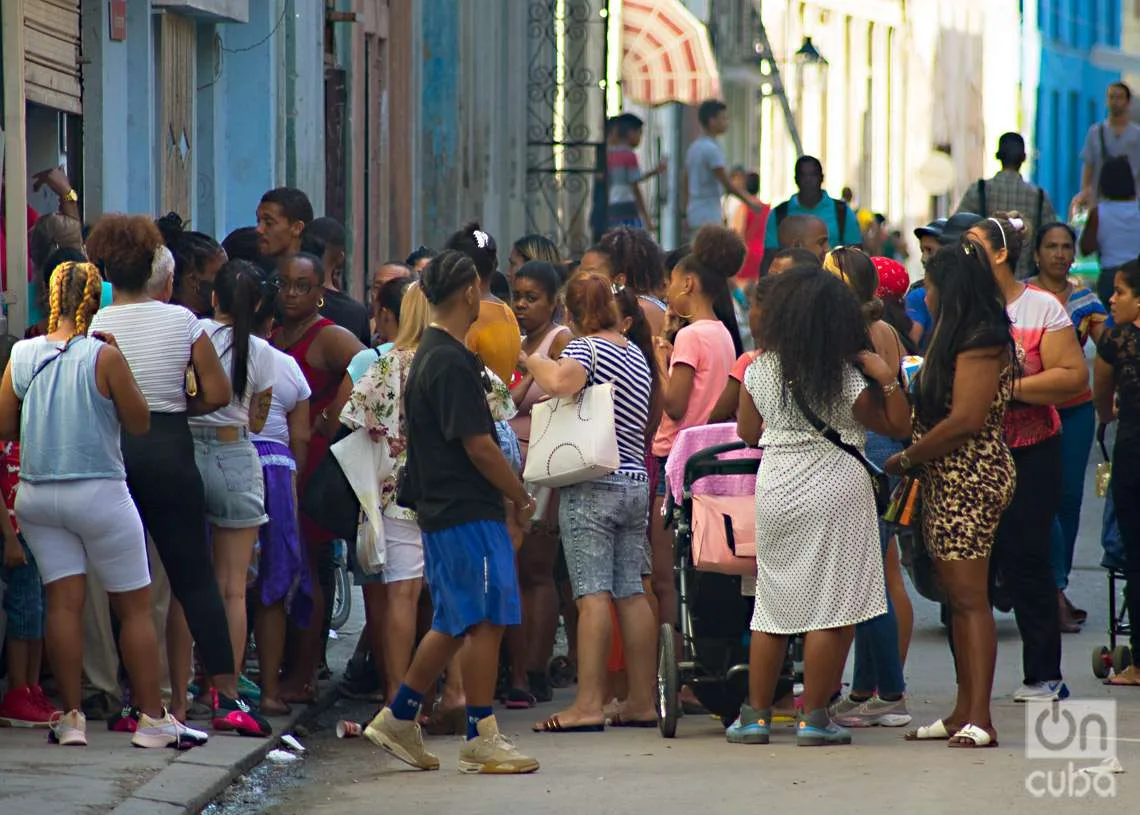
The Cuban Queue Has Its Own Constitution
Quién es el último? Discover the unwritten rules of a Cuban queue and the conversations that make a cola work.
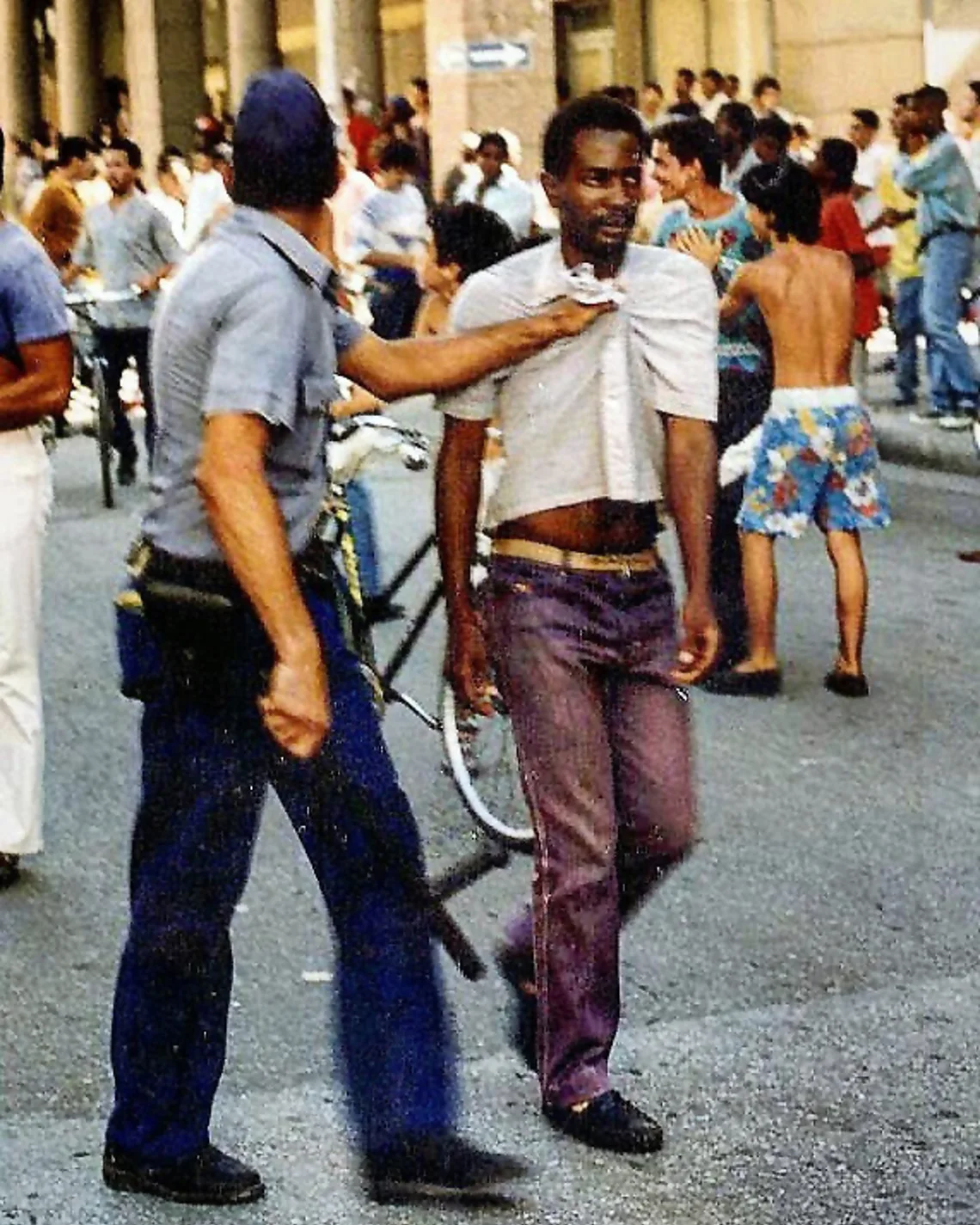
The Maleconazo
The Maleconazo of August 1994: a reflection on the protests, repression and balsero exodus in Cuban history.
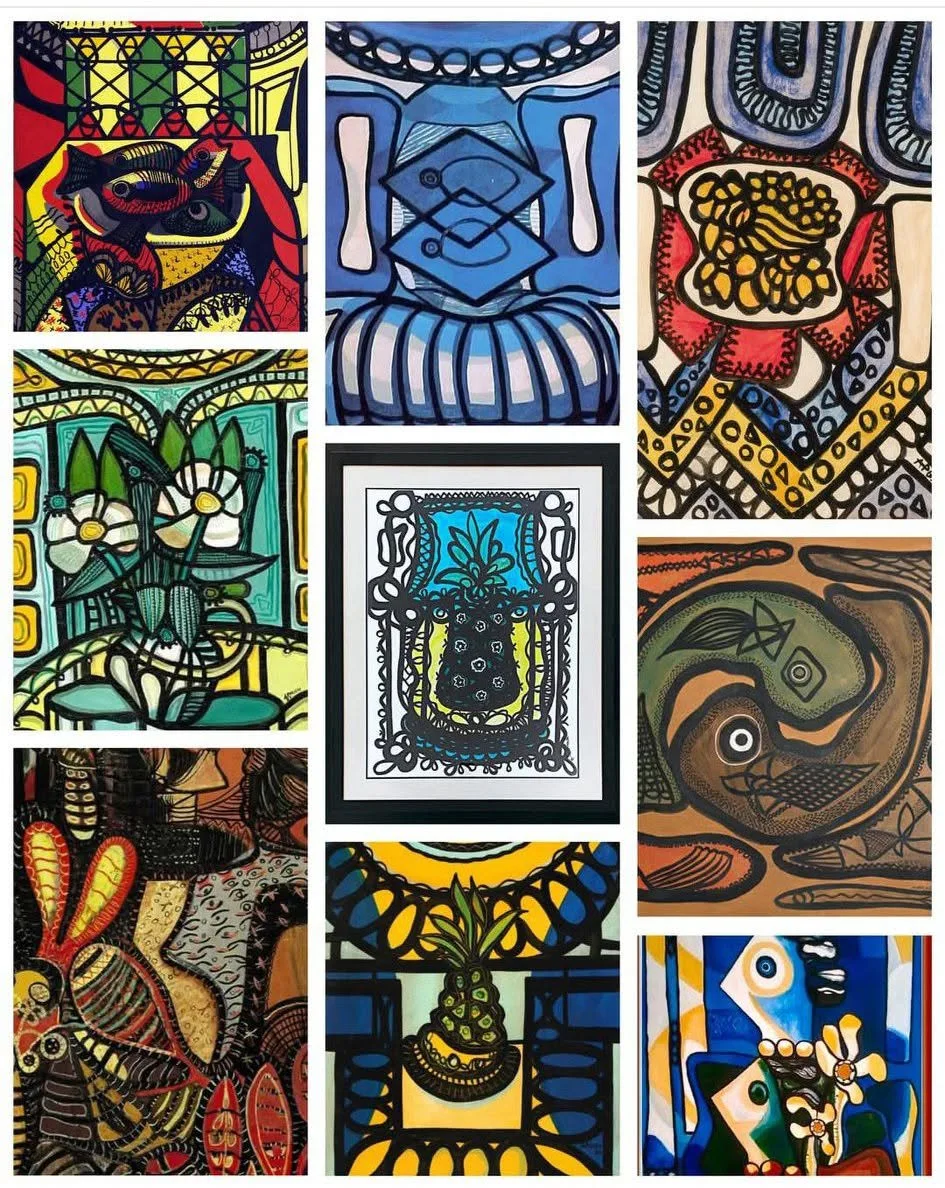
On Amelia Peláez
Explore fruit bowls, colored glass and interlocking shapes in Amelia Peláez’s paintings of Cuban domestic life.
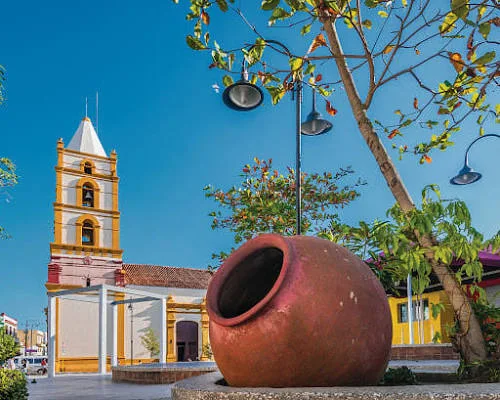
Camagüey: The Jarred City
Camagüey’s tinajones: discover the clay jars, courtyard houses and everyday history behind this Cuban city’s most familiar symbol.
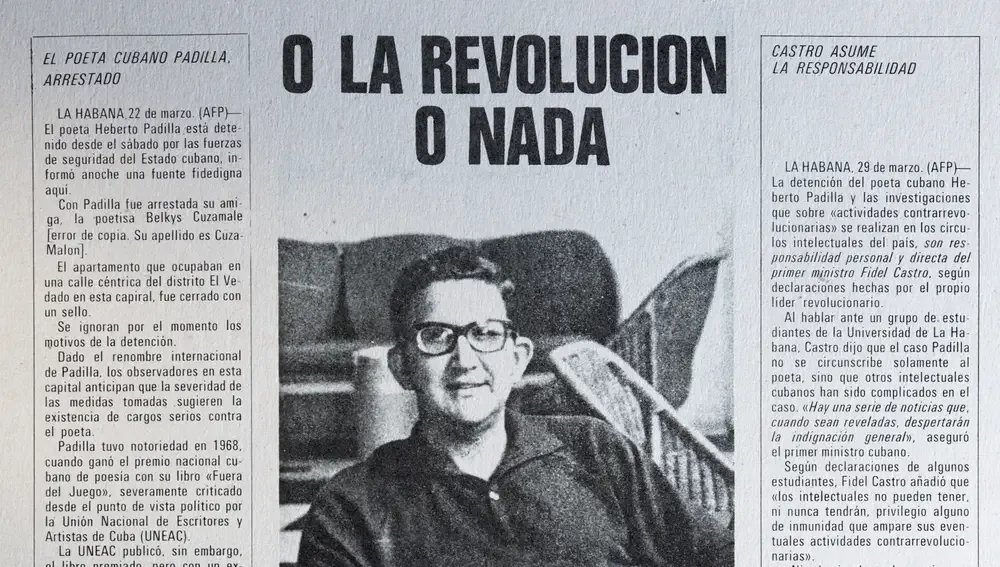
Heberto Padilla: a poet, a confession, and Castro’s idea of freedom
Explore the Padilla affair and a Cuban teacher’s perspective on writing, public confession and freedom of expression.
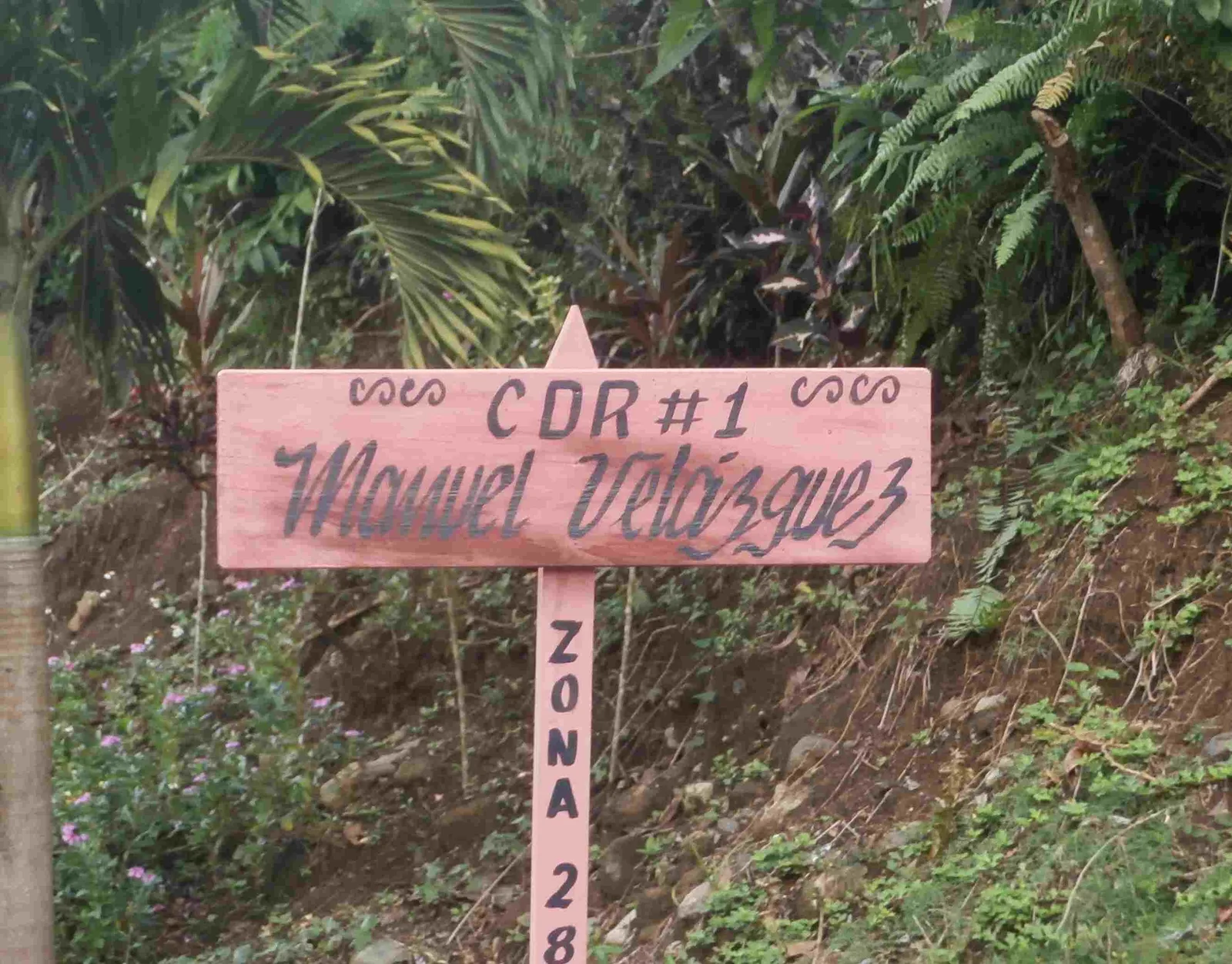
The CDR: when the government lives on your block
Cuba’s CDR, surveillance and political control: a reflection on their effects on everyday relationships in Cuban neighborhoods.
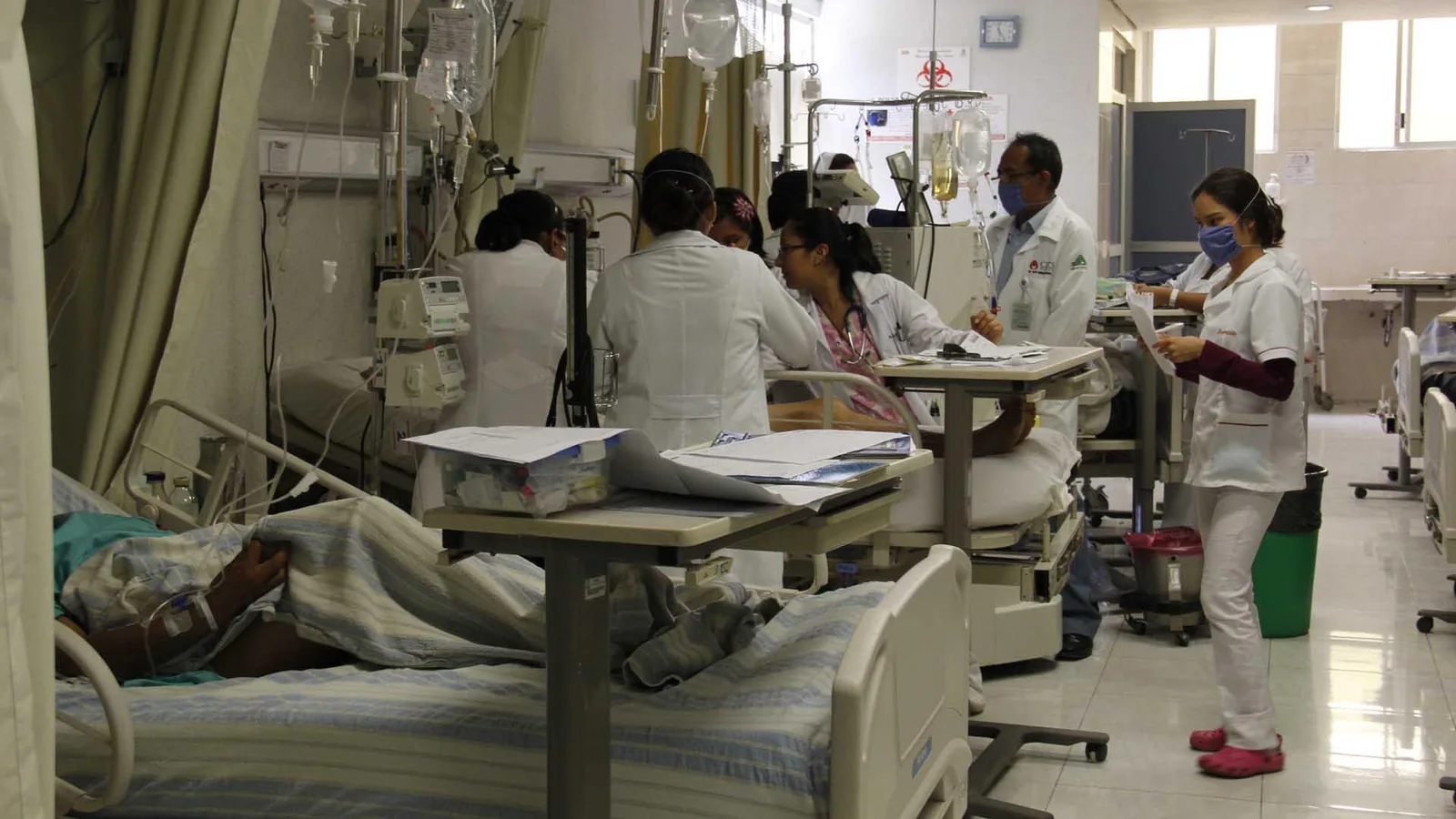
What does it really mean to be a doctor in Cuba?
A Cuban teacher’s reflection on doctors, salaries, resources and the conditions of medical work in Cuba.
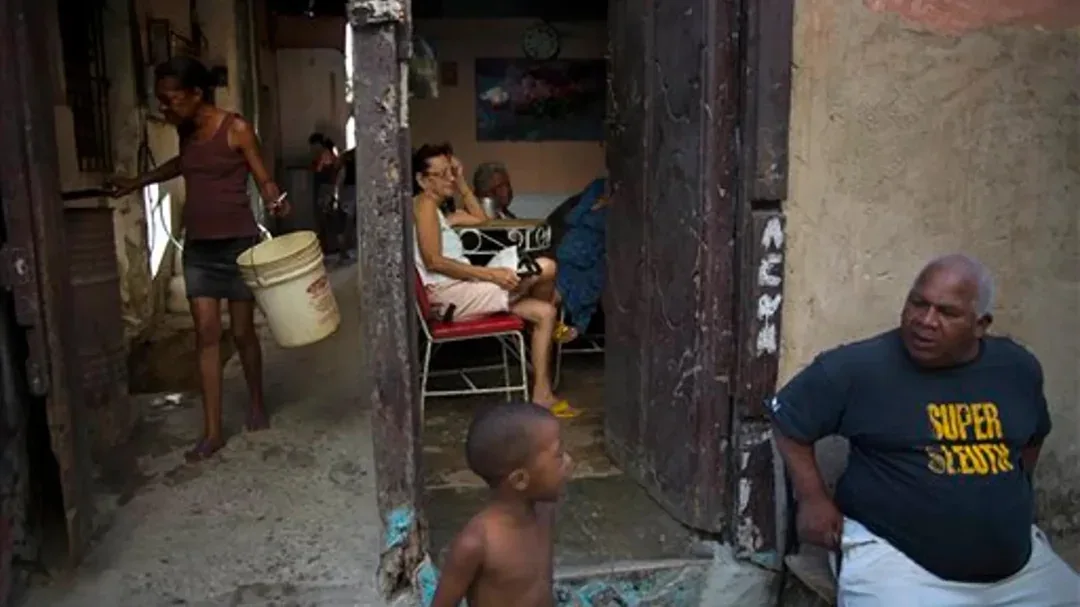
In Cuba several generations live in the same house
Explore housing shortages and the experience of grandparents, parents and children sharing one home in Cuba.
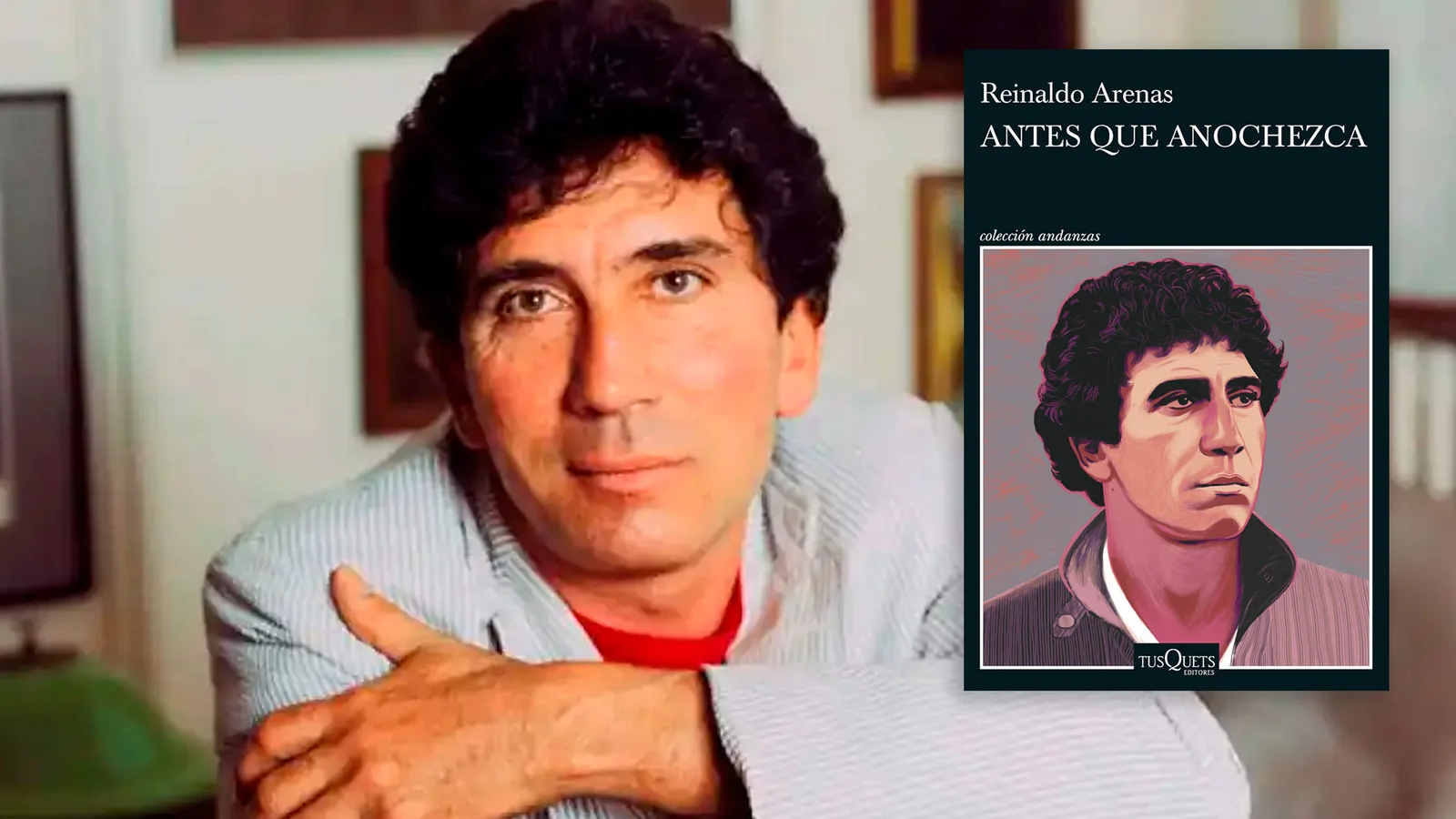
Reinaldo Arenas and being homosexual in Cuba
Reinaldo Arenas and life in Cuba: a reflection on literature, persecution, exile and freedom of expression.
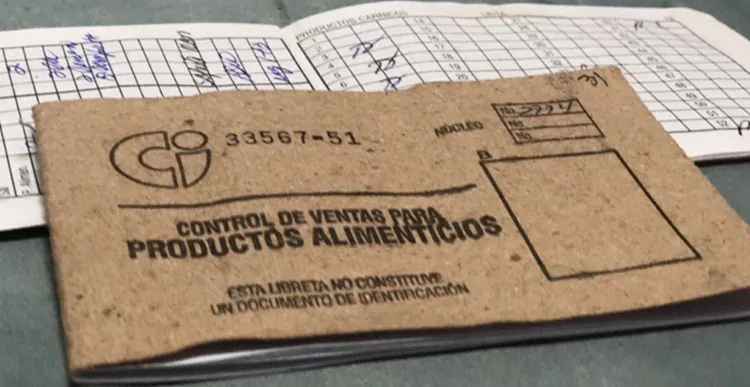
How does Cuba’s ration book actually work?
Understand Cuba’s libreta de abastecimiento and a native teacher’s perspective on rationing, shortages and everyday food supplies.
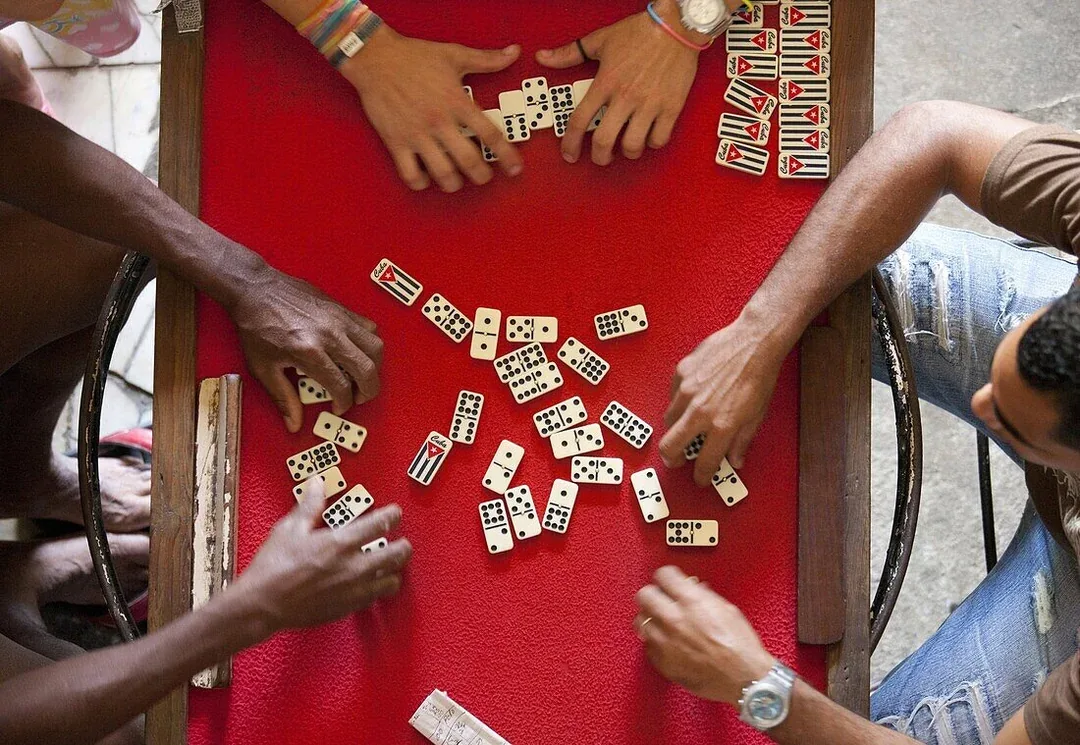
Dominoes! The real Cuban national sport
Cuban dominoes: discover the double-nine set, family conversations and the everyday traditions around the table.
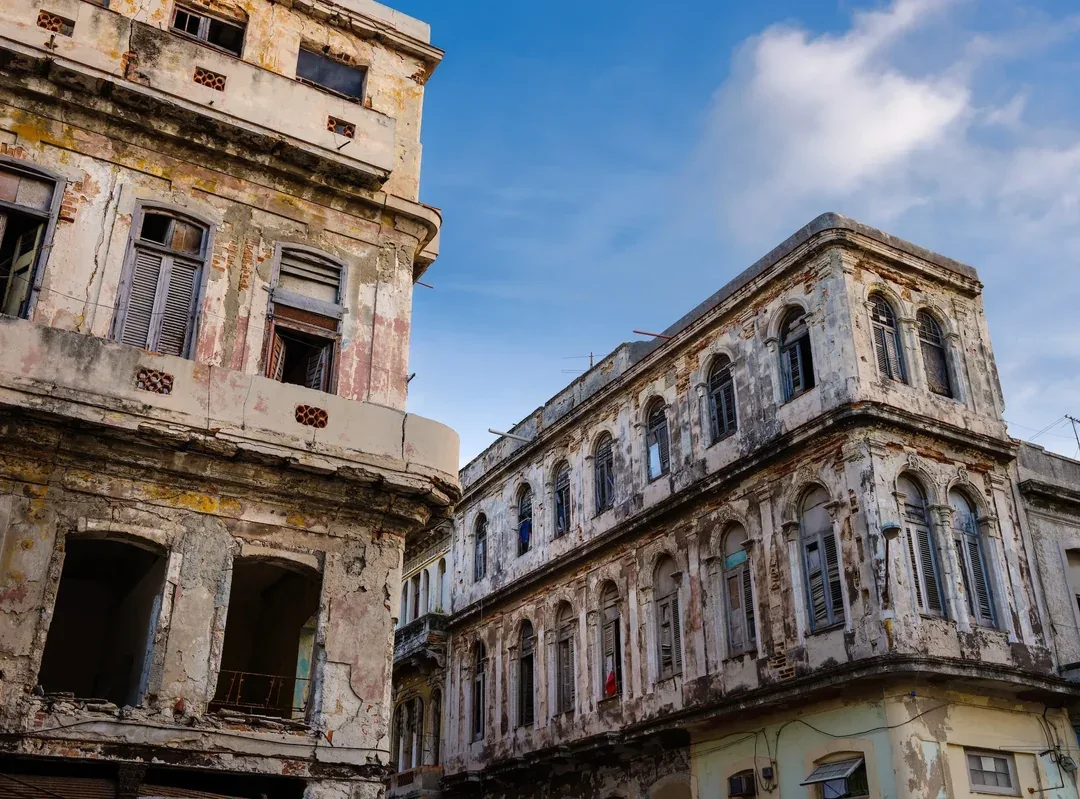
Why is every building deteriorating in Cuba?
A reflection on maintenance, building materials, investment and the deterioration of Havana’s buildings.
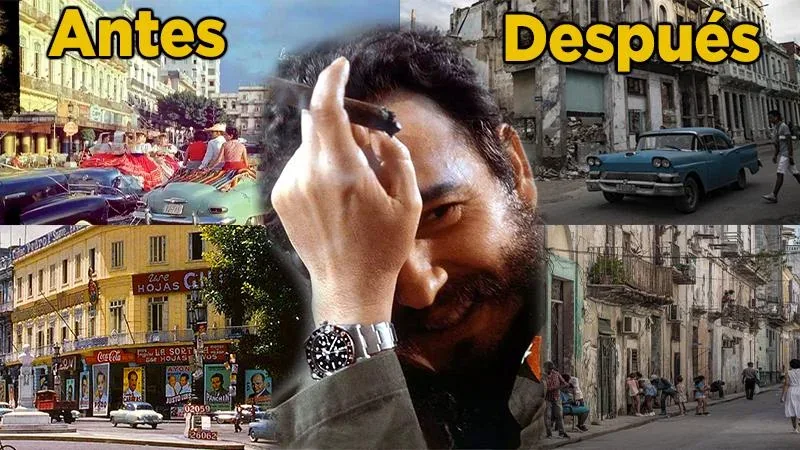
How was Cuba before 1959?
Cuba before 1959: a reflection on inequality, political changes and the effects of the Revolution on everyday life.
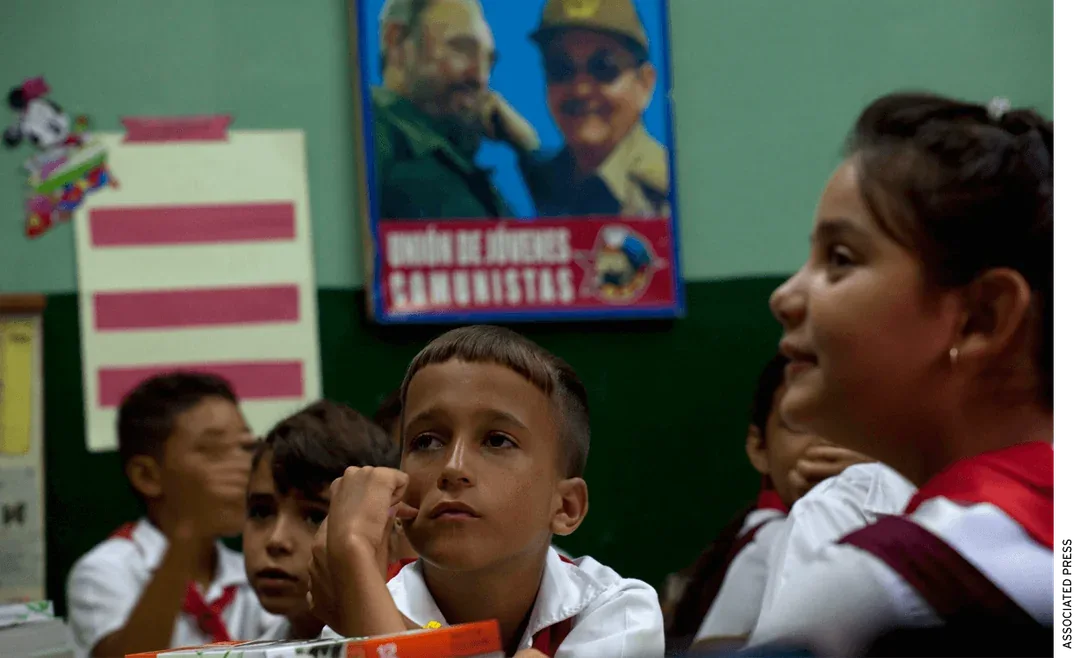
How does Cuba’s public education system work?
Cuba’s public education system: a firsthand account of school conditions, teaching materials and political pressure.
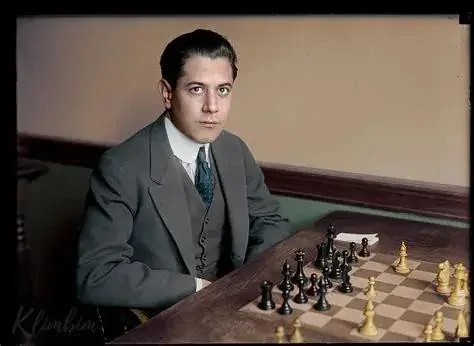
Why Is Chess So Popular in Cuba?
Chess in Cuba: Capablanca, school chess and childhood memories of one of the island’s best-known games.
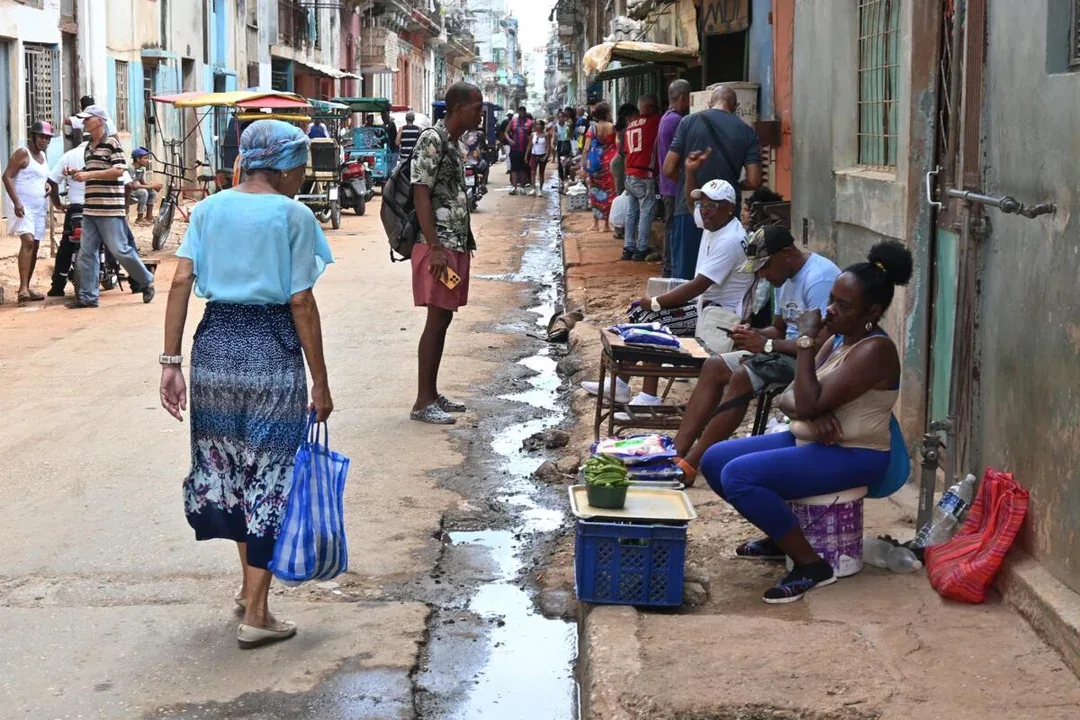
Full-time job? Here, your $15 USD of the month
Cuban state salaries, basic necessities and the informal economy: a reflection on everyday life. Figures reflect the article’s context.
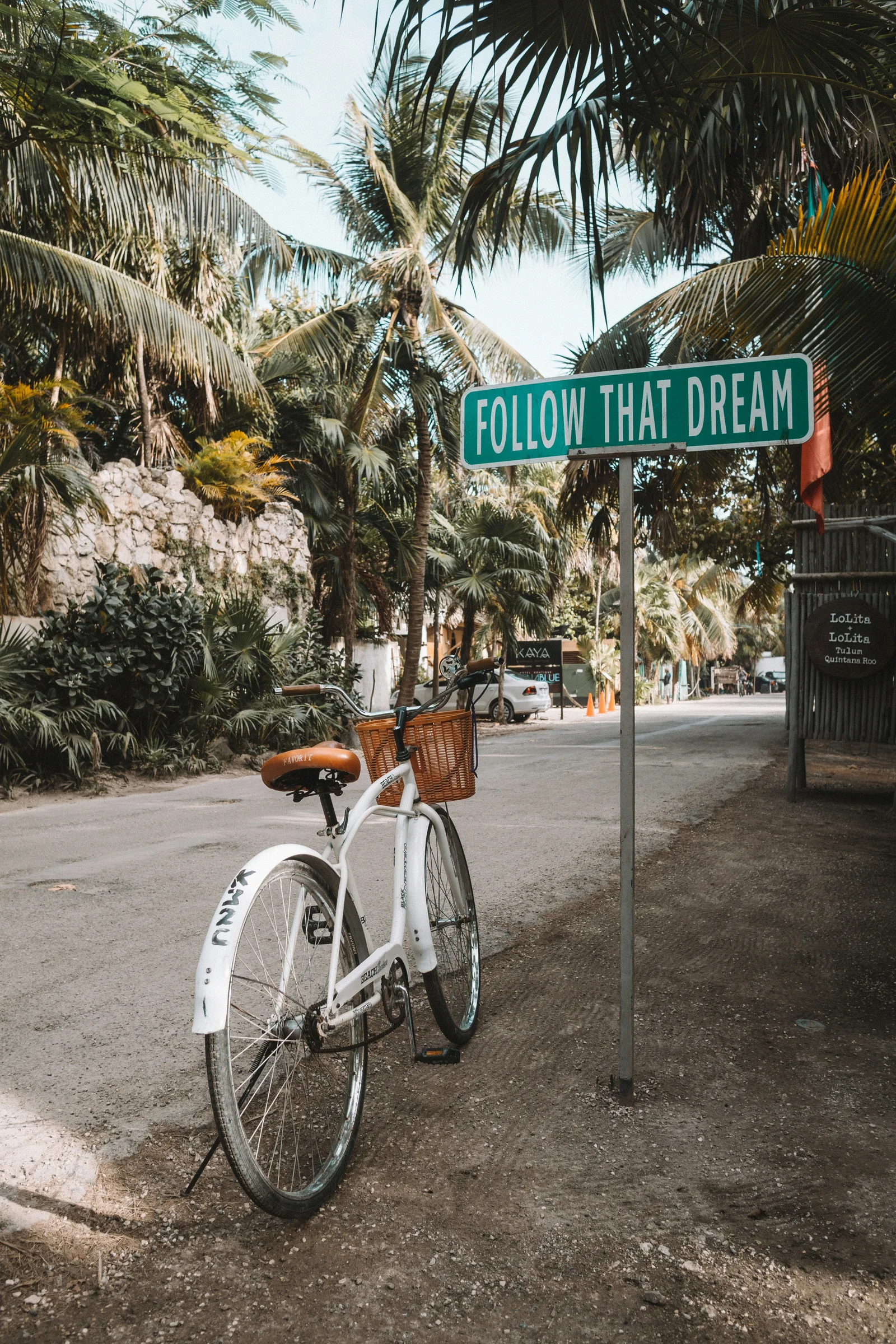
Cuban Spanish for Travelers: What You Need Before Going to Cuba
Cuban Spanish for travelers: prepare for greetings, taxis, food and everyday slang, with listening tips, tone and cultural context.
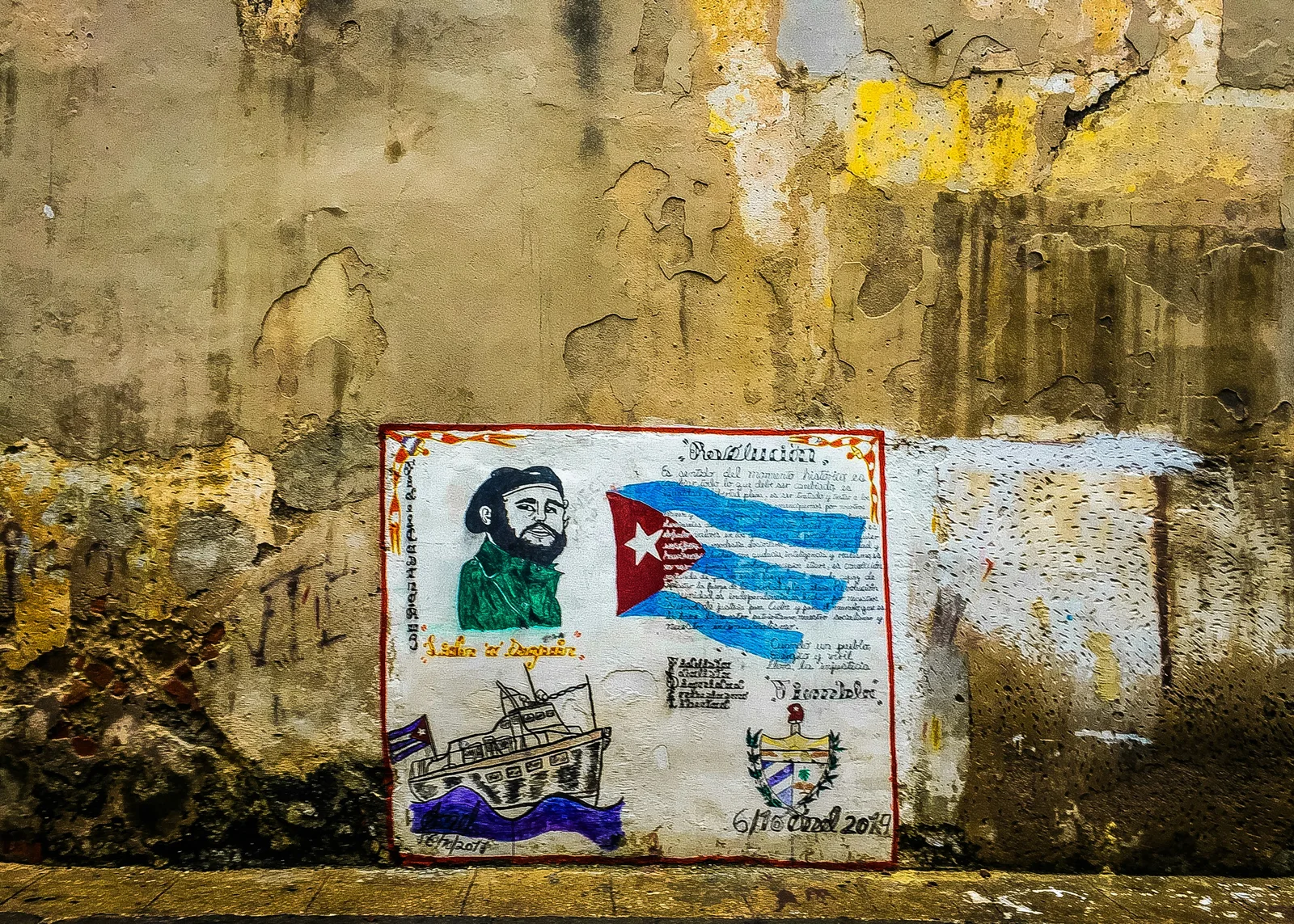
The secrets of the Cuban dictatorship
Information control, propaganda and the mechanisms that sustain the Cuban regime: an analysis from a Cuban perspective.
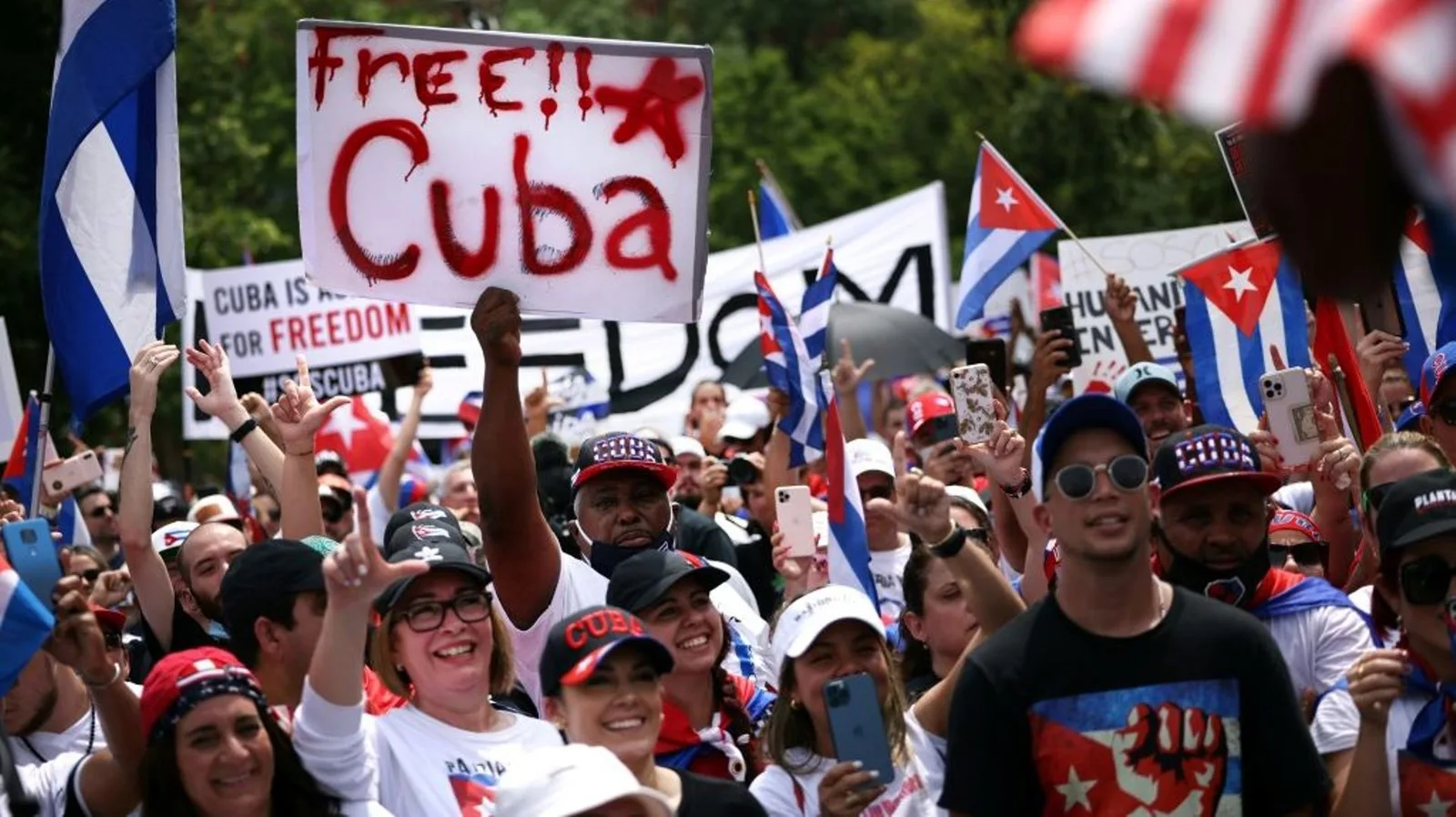
Reflections on a Cuba Left Behind: The Pain of the Cuban Diaspora
A Cuban teacher reflects on exile, family separation, memory and the connection between generations of the Cuban diaspora.
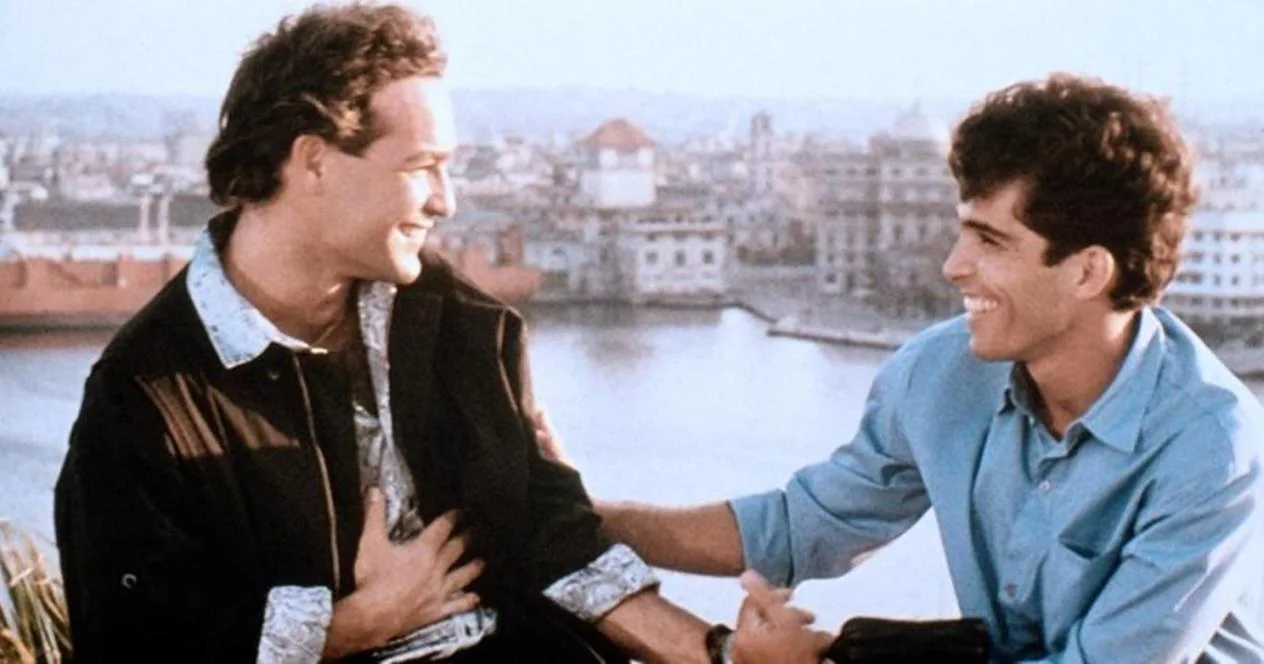
Why you should watch Fresa y Chocolate, the famous Cuban film
Fresa y Chocolate: explore the film’s characters and the Cuban context of friendship, identity and freedom.
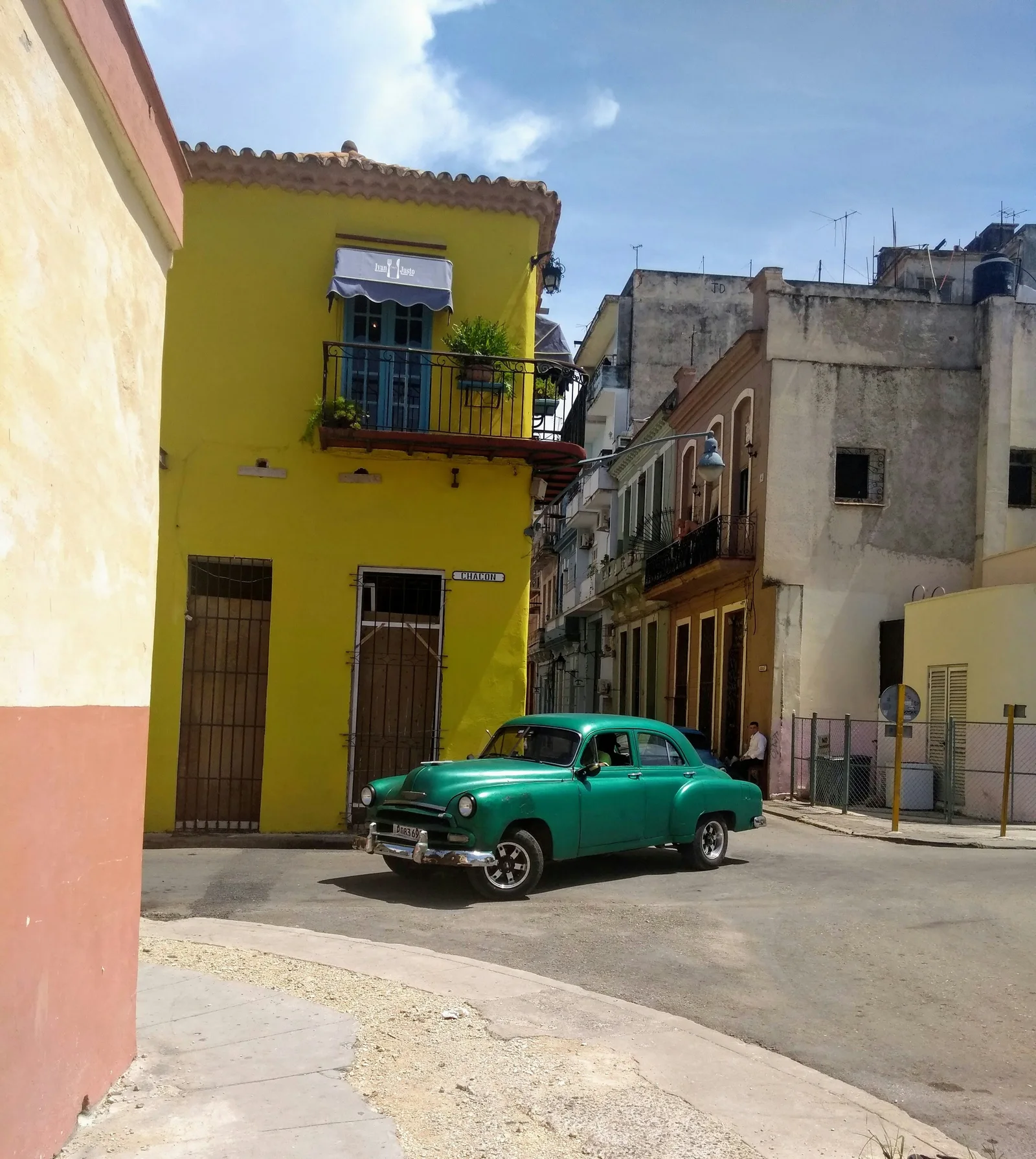
The Pros and Cons of Visiting Cuba Under a Dictatorship
Visiting Cuba under a dictatorship: culture, history and practical challenges in an archived perspective on travel to the island.
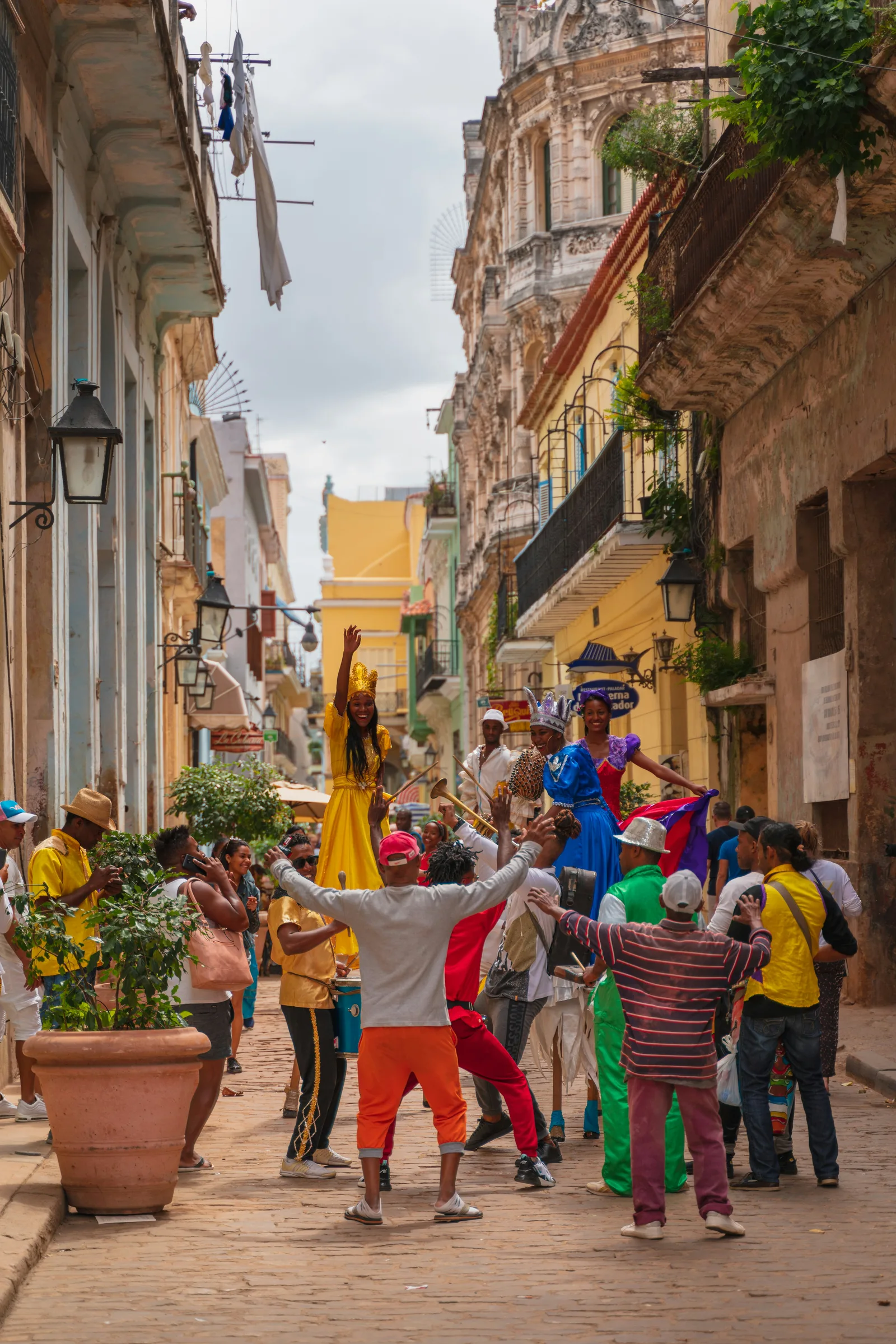
10 Compelling Reasons to Learn Cuban Spanish in 2026
Explore how learning Cuban Spanish connects language, family, cultural understanding and personal interests beyond a textbook.
10 best places to visit in Cuba
Explore ten Cuban destinations, from Old Havana and Viñales to Baracoa and the cayos, with Cuban Spanish Academy.
10 best (and controversial) Cuban Films
Discover ten influential Cuban films, from De cierta manera to Memories of Underdevelopment. Explore Cuban cinema, culture and political commentary.
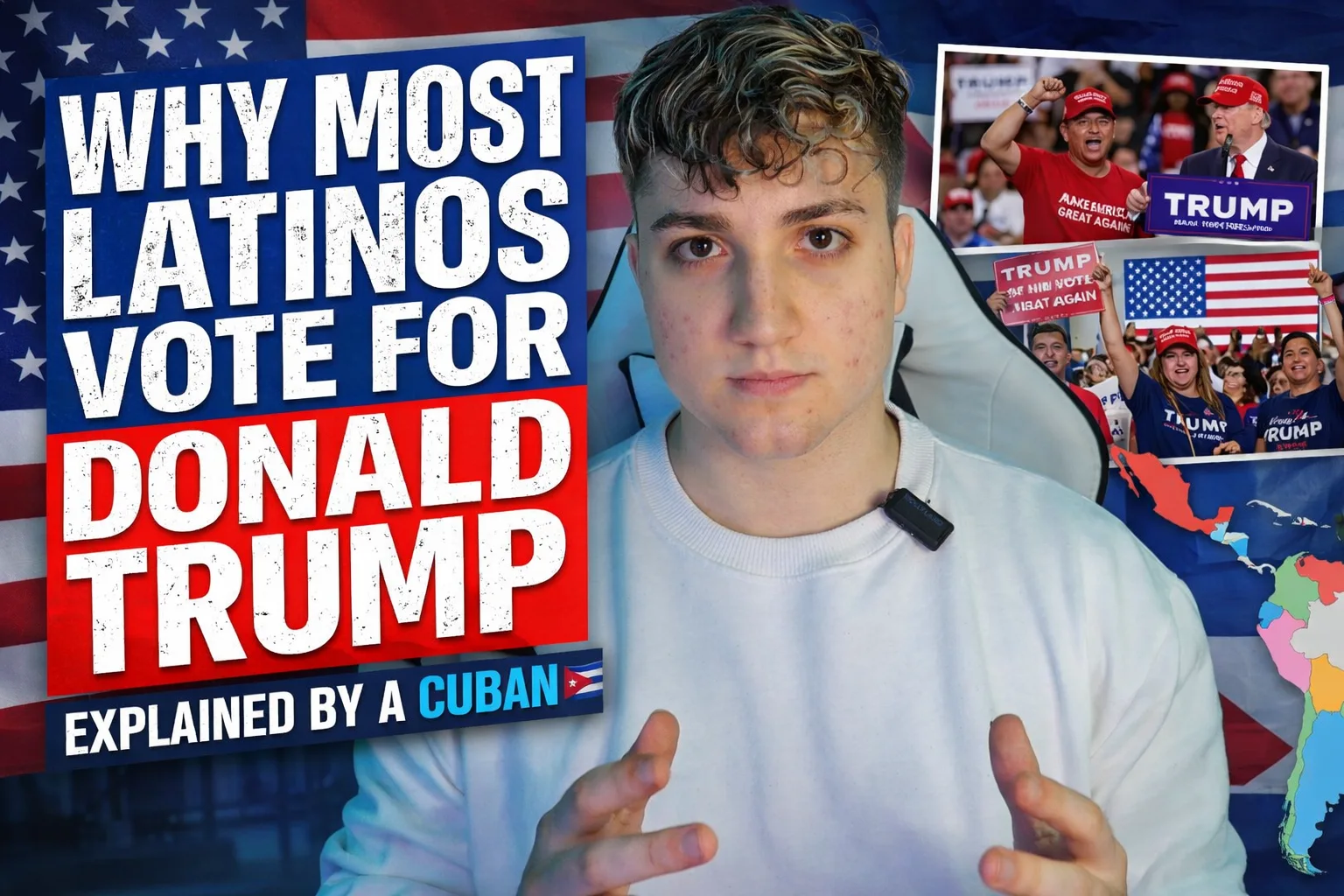
Why Cubans vote for Trump
Cuban American political preferences: a perspective on exile, attitudes toward the Cuban regime and support for Donald Trump.
Your next conversation could sound a little more Cuban
Courses, culture, live classes and a community to practise with.