
Trinidad's Pottery
A porrón from Trinidad once went to work in the cane fields. It carried drinking water for the cane cutters. 🏺 Household jugs had the same practical job: hold the water until someone needed it. Clay vessels were part of the working day.
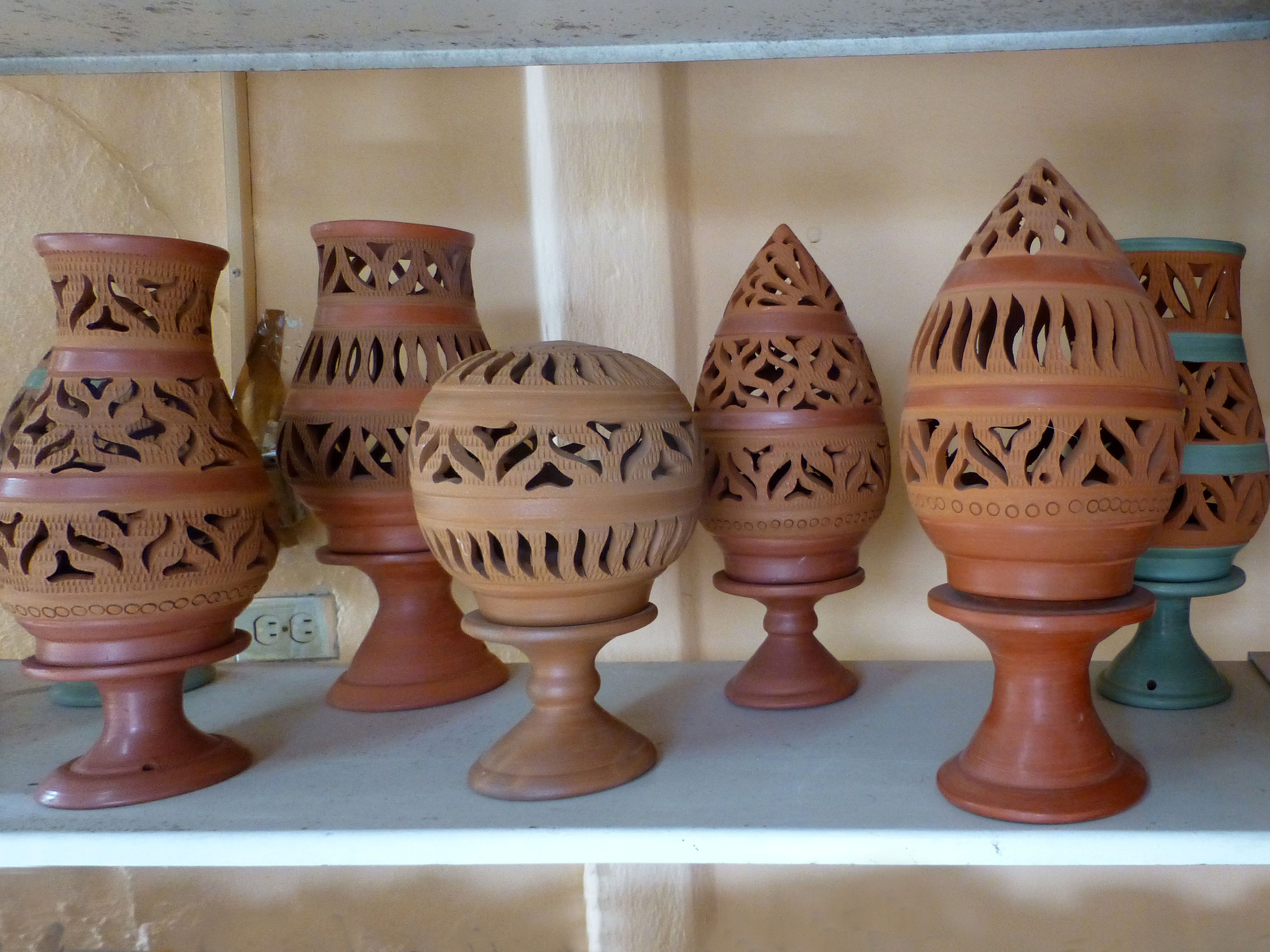
The Santander family has passed the craft through several generations. Their workshops made useful vessels as well as decorative pieces. A jug had to be shaped, decorated, dried and fired. Each stage took time and someone who knew the material.
A decorative vase comes out of that same craft. Barro, torno y horno: clay, wheel and kiln. There is a long family history behind an object small enough to take home. 🔥