
Ten lines, plenty going on
Ten lines, a rhyme scheme, a melody and a thought that still has to make sense. Punto cubano gives a poet plenty to do before anyone asks for an encore. 🎶 The décima may be learned or improvised. When it is created on the spot, part of the pleasure is hearing the idea find its way through the form without losing the argument somewhere around line seven.
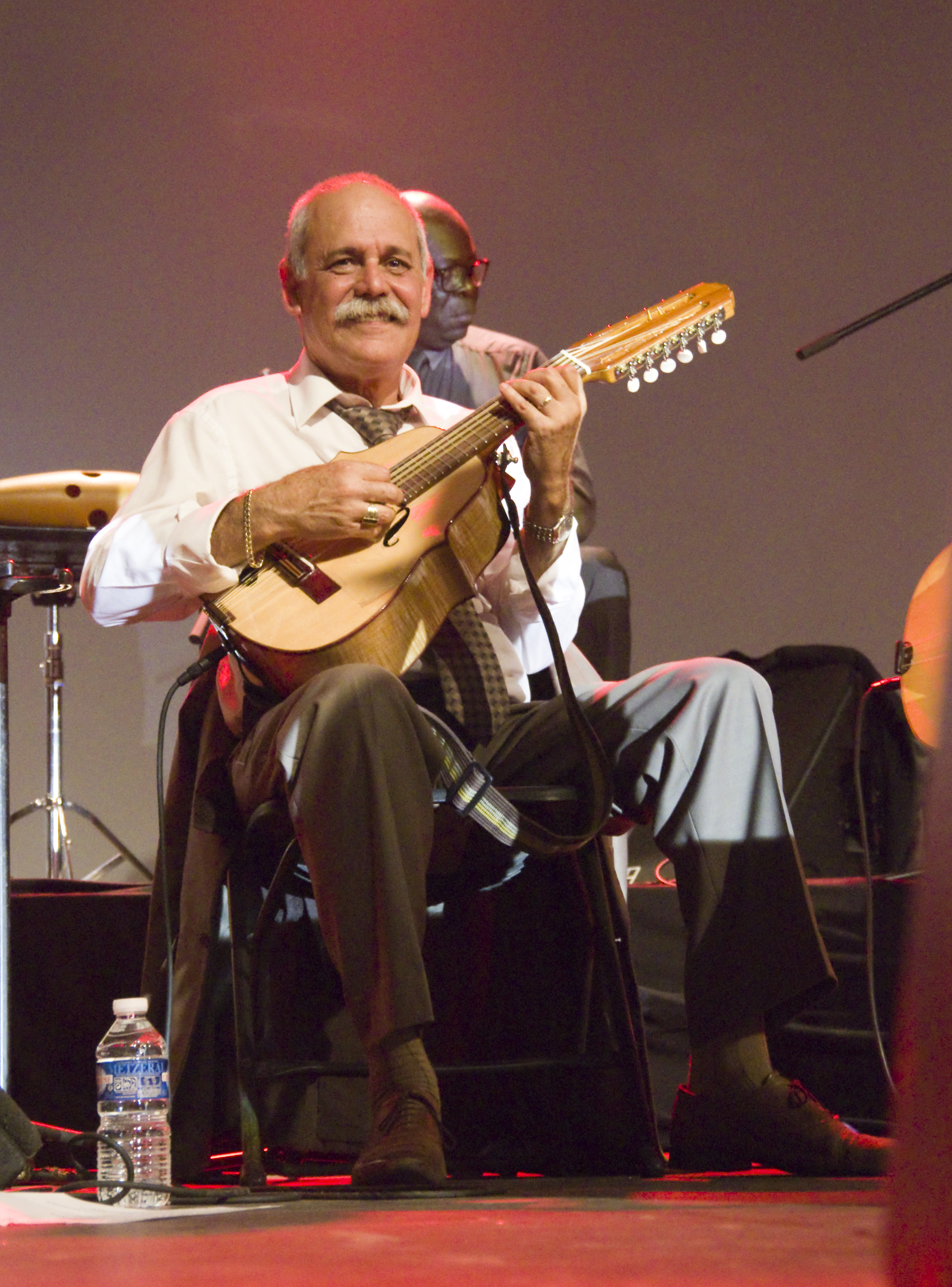
The classic décima espinela has ten eight-syllable Spanish lines and the rhyme pattern ABBAACCDDC. Guitar, laúd, tres and small percussion can accompany the tonada. In punto libre, the musical phrasing is freer than in punto fijo. The poem still keeps its verse form. There is room to move, but the rhymes have not been given the afternoon off.
Also called punto guajiro, the tradition has deep rural roots. In western Cuba, including Mayabeque, guateques and canturías bring poetry into family and community gatherings, alongside food, conversation and other activities. People remember earlier verses and make room for new voices. A countryside of hats and guitars makes a convenient postcard. It leaves out the people doing some rather demanding work with words.
UNESCO listed punto in 2017. Knowledge passes between generations through imitation, and practitioners also lead workshops in Casas de Cultura. 📝 An individual voice grows among other voices; improvisation does not arrive without learning. The practice extends beyond the countryside, and it certainly does not mean every Cuban talks in décimas.
Ten lines are quite enough responsibility for the person currently holding the song.