
The drums wait their turn
The drums do not necessarily get the first word in Tumba Francesa. The composé, the lead singer, can begin alone; then the wooden catá and the drums answer the signal. 🥁 Singer, chorus, dancers and musicians have different jobs. Even a very impressive drum still has to wait for its entrance. The exchange matters as much as the noise.
The tradition reached eastern Cuba through the upheavals of the Haitian Revolution in the 1790s, when French colonists relocated with people they held in slavery. Those people carried cultural knowledge under circumstances they had not chosen. African musical inheritances met French ballroom forms. Societies developed during the nineteenth century and continued beyond abolition in 1886.
The catá brings a sharp wooden sound; drums made from hollowed wood and played by hand add their voices, and metal chachás supply another texture. Masón plays with French ballroom manners; yubá leaves more room for improvisation with the drums. Long dresses, headscarves and coloured cloths are part of the tradition. There is elegance here, but the ballroom has acquired a rather different conversation.
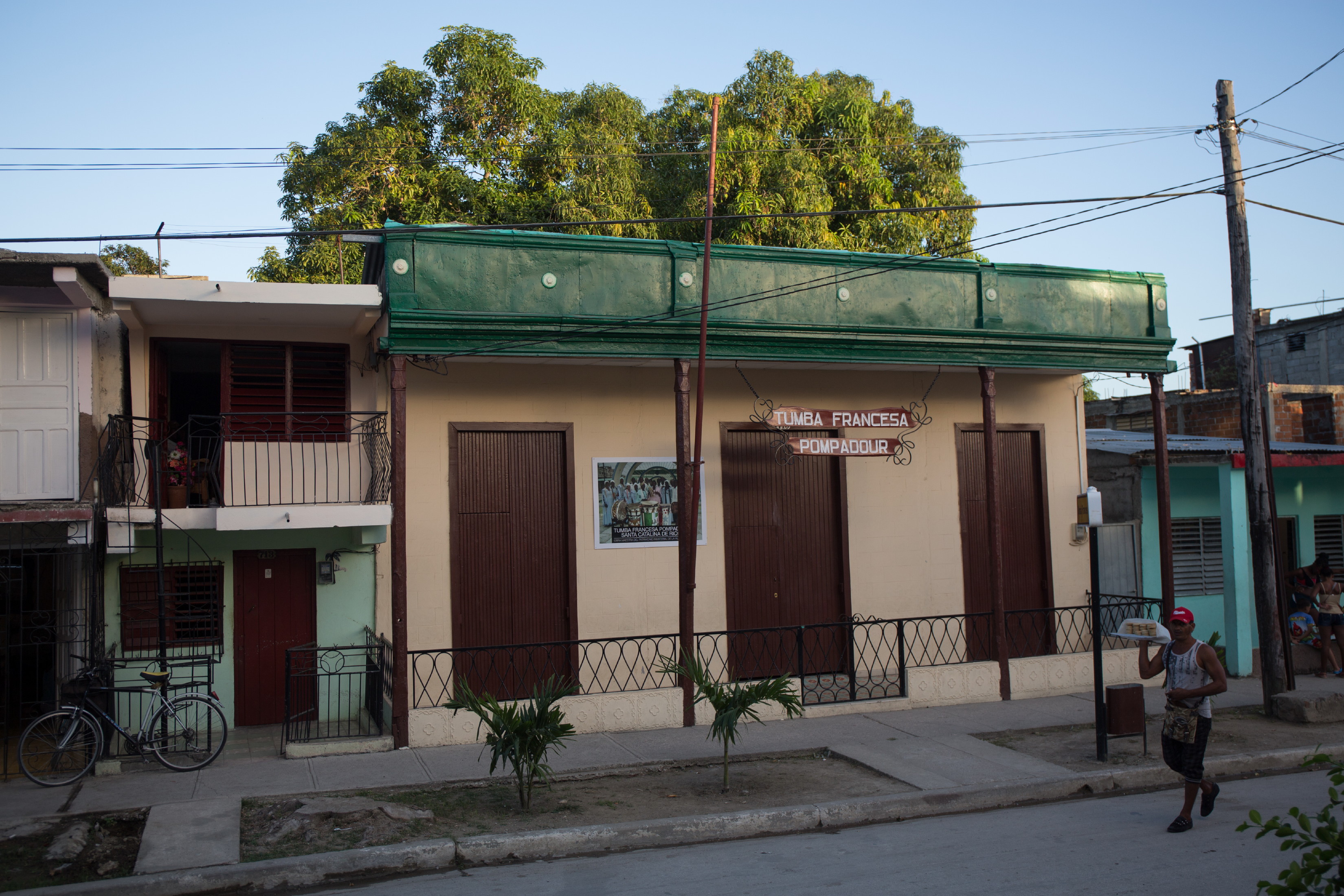
La Caridad de Oriente in Santiago, the Guantánamo society associated with Pompadour and Santa Catalina, and rural Bejuco in Sagua de Tánamo carry distinct community histories. UNESCO recognised Tumba Francesa in 2003 and listed it in 2008. 🎶 Songs, memories and ways of learning stay with the people who carry them.
A voice calls, somebody else knows just how to answer, and all that community history gets another turn in the room.