Reflections on a Cuba Left Behind: The Pain of the Cuban Diaspora
✅ Cuban Spanish Course & Weekly lessons available NOW —Understand Cuba with a native tutor
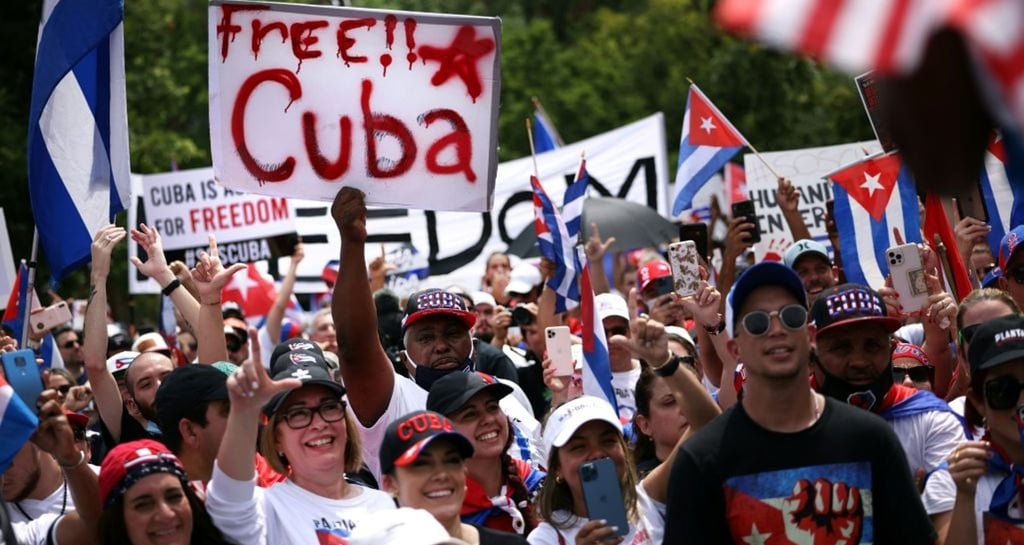
Since the 1959 revolution, Cuba has experienced a complex relationship with its government, characterized by systemic oppression and a pervasive climate of fear.
The Cuban regime, under the leadership of Fidel Castro and his successors, implemented a host of laws and policies that severely restricted personal freedoms and curtailed human rights. Individuals who dared to express dissent or challenge the government faced severe repercussions, including imprisonment, harassment, and forced exile.
Personal stories of those who endured the regime's draconian measures illustrate the crushing weight of oppression. For many Cubans, the threat of persecution was a constant specter, compelling them to remain silent amid violations that impacted their daily lives. Families separated by imprisonment often faced uncertainty and pain, unable to offer support or even to communicate with their loved ones. Such experiences have left indelible scars, carrying the legacy of trauma well into the present. I myself lived there for 16 years of my life until I escaped.
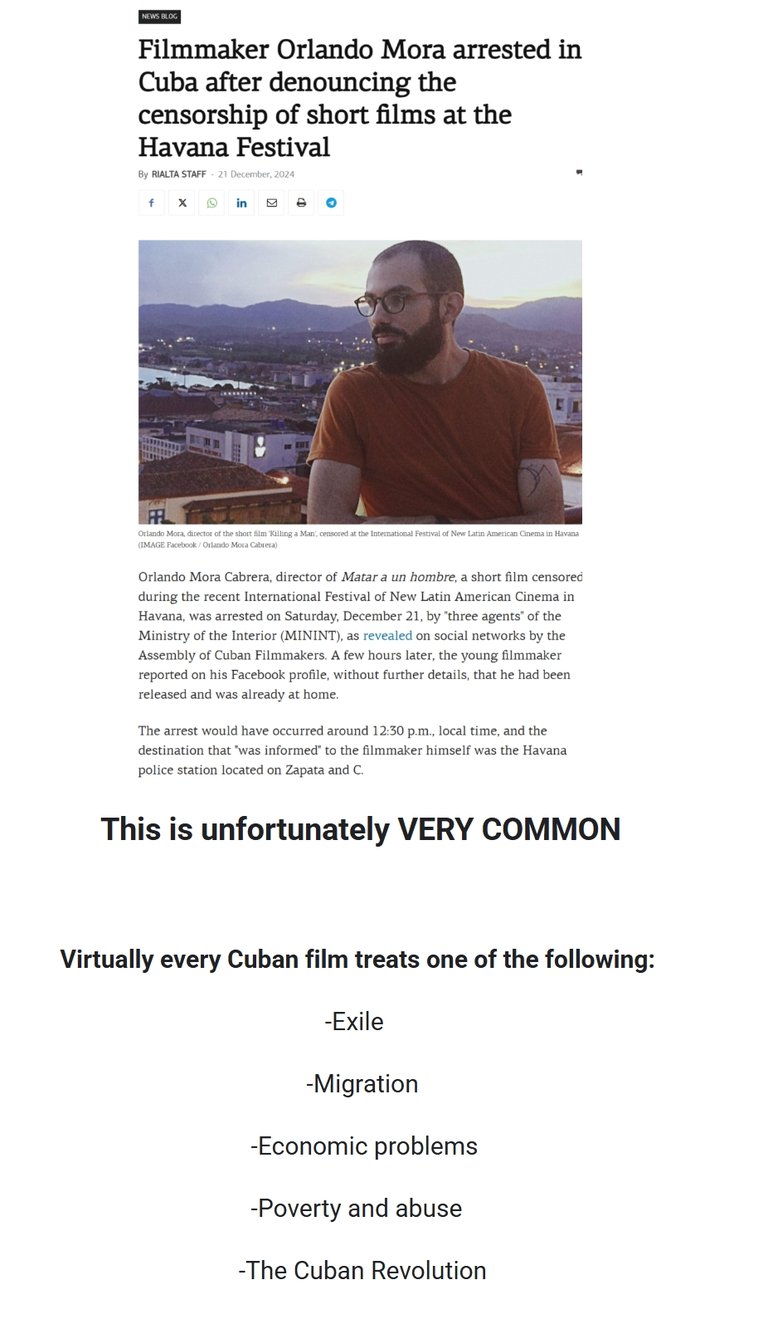
The economic restrictions imposed by the regime also contributed to widespread disillusionment among the population. Once a thriving nation, Cuba’s economy struggled under state control, leading to shortages of basic necessities and declining living standards. Amid these conditions, many Cubans were compelled to make the difficult decision to leave their homeland in search of greater opportunities and freedom. This sense of displacement has shaped the identity of the Cuban diaspora, who navigate the challenges of exile while painfully reflecting on the lives uprooted by the regime's policies. It has shaped every form of art and cultural expression. As I say in my course:
The legacy of these suffering and sacrifices continues to resonate within the Cuban community, as the stories of resilience and loss weave through generations. The collective memory of oppression has forged a shared identity among exiled Cubans; a reminder of their past within the poignant narratives of what it means to be Cuban in a world that often overlooks their struggle.
The Cuban diaspora is a poignant testament to the struggles and resilience of individuals who have fled their homeland amid political and economic unrest. Over several decades, multiple waves of migration from Cuba have transformed lives and neighborhoods, creating communities across the globe. The factors driving these migrations have ranged from oppressive government policies to dire economic conditions, often forcing families to make harrowing decisions.
One notable period of migration occurred after the 1959 Cuban Revolution, which catalyzed an exodus of those opposed to the new regime. Many took to the sea, risking dangerous journeys in makeshift boats in pursuit of freedom and opportunity. The perilous conditions faced by these individuals cannot be overstated. Reports of capsized vessels, loss of life, and desperate searches for rescue became common as families sought safety in foreign lands.
Upon arriving in their new countries, Cuban migrants faced numerous challenges in their quest for asylum. The process of navigating immigration systems, often fraught with uncertainty, added to the emotional weight of leaving loved ones behind. Each person carried not only their belongings but also the memories of a homeland that would never be the same. The emotional toll of separation from family and friends compounded the struggle to adapt to new cultures, languages, and societal norms.
Despite these challenges, members of the Cuban diaspora have demonstrated remarkable resilience. Communities have emerged that celebrate Cuban heritage, preserving cultural traditions through music, dance, and cuisine. Like my own project. This duality of maintaining one's roots while integrating into a new society illustrates the spirit of the diaspora, an enduring hope that transcends borders. Today, the stories shared among members of the Cuban diaspora serve to connect generations and highlight the power of unity in the face of adversity.
As we reflect on the narratives of the Cuban diaspora, it is paramount to honor the stories of those who have suffered under the authoritarian regime in Cuba.
Advocacy for human rights in Cuba must be underscored by a deep commitment to remembering the voices of the silenced and the oppressed. I encourage readers to actively engage in discussions surrounding Cuban rights, not just as observers but as allies. Don't fall for pervasive leftist propaganda, talk with real Cubans. The media is just there to sell you clickbait and misinformation. A thing that can't be denied is the experiences of the actual Cubans no matter how much shit left-leaning hypocrites talk about a supposed Embargo.
⚠️ REMEMBER: The FIRST-EVER CUBAN SPANISH COMMUNITY & COURSE is live! In English and Spanish I'll tell you how to speak like a Cuban. Slang, accent, culture, politics and mucho más!
👉 JOIN, access all the courses and practice your Cuban taking weekly Cuban Spanish classes with me and other learners!
© 2026. Jean Pablo Sciacca. All rights reserved.